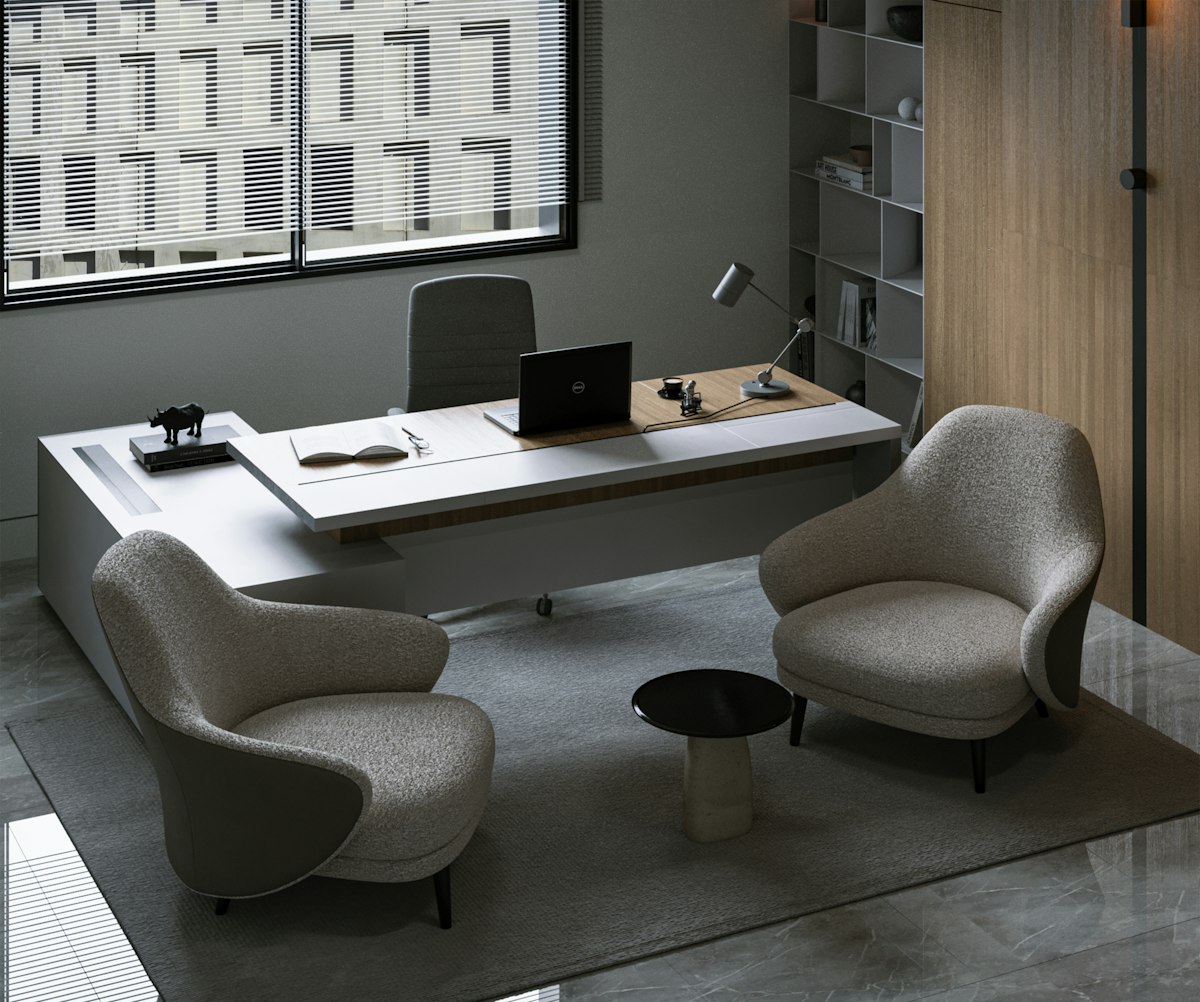
Smart Small Office Interior Design: Maximizing Productivity and Presence
Operating a small office presents unique challenges, not least of which is creating a functional, inspiring, and professional environment within limited square footage. It's easy to feel constrained, to let clutter accumulate, or to settle for a space that feels more like a temporary setup than a thriving hub for your work. Yet, the size of your office doesn't dictate its potential or impact.
Many business owners, freelancers, and small teams grapple with these spatial dilemmas daily. They understand the importance of a well-designed workspace but often struggle with where to begin, how to balance aesthetics with practicality, and how to make every inch count. A cramped, disorganized office can hinder focus, sap energy, and even affect how clients perceive your operation.
Related posts
Mastering Luxury Home Interior Design: Principles, Materials, and Practical Execution
True luxury in residential interior design is rarely about flash or conspicuous display. Instead, it manifests in how...
Read more →
Commercial Office Design: Planning Workspaces That Drive Performance and Retention
Modern commercial office design no longer centers on cramming rows of uniform cubicles under buzzing fluorescent fixtures. Today,...
Read more →
Stylish Living on a Budget: Transforming Your Space with Affordable Interior Design
Walking into a beautifully designed room often feels like stepping into a different reality. Many people assume that...
Read more →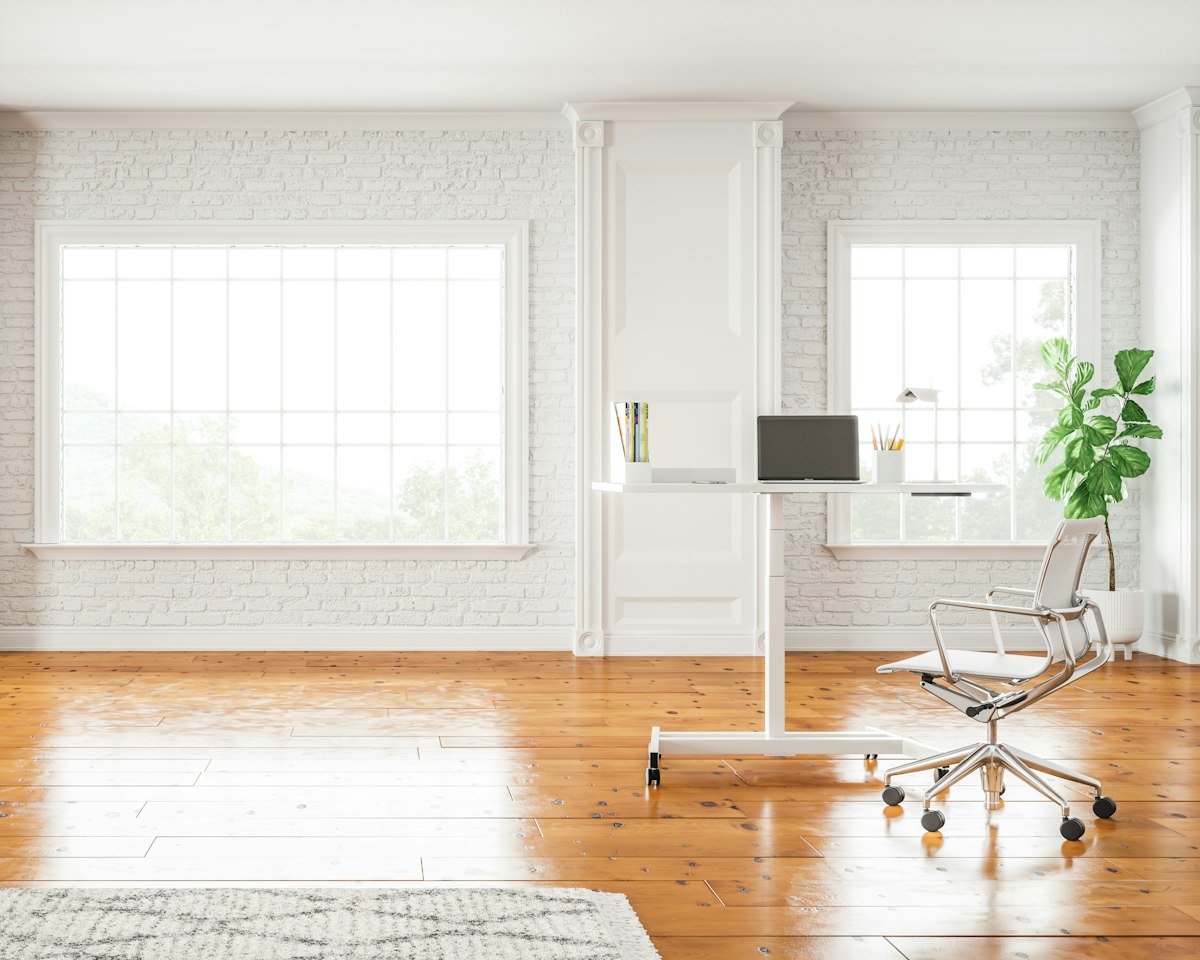
Crafting Productive Spaces: Essential Office Room Interior Design Concepts
The space where you work isn't just a collection of desks and chairs; it's a dynamic environment that...
Read more →The truth is, a thoughtfully conceived small office interior design can transform your workspace from a mere room into a powerful asset. It can boost productivity, enhance employee well-being, and project a polished, professional image, regardless of its physical footprint. Smart design isn't about fitting more things into a small space; it's about making the space work smarter for you.
This article delves into actionable strategies and practical considerations for designing a small office that truly excels. We'll explore everything from strategic layouts and furniture choices to lighting, color, and budgeting, ensuring your compact workspace becomes a beacon of efficiency and style.
Key takeaways
- Embrace Multifunctionality: Choose furniture and design elements that serve more than one purpose to maximize utility in limited areas.
- Strategic Storage is Key: Implement vertical and hidden storage solutions to keep clutter at bay and maintain a clean, open feel.
- Leverage Light and Color: Use natural light, layered artificial lighting, and light color palettes to create a sense of spaciousness and enhance mood.
- Personalize with Purpose: Incorporate elements that reflect your brand and personality, ensuring they contribute to a professional and inspiring atmosphere without overwhelming the space.
Understanding Your Small Office Needs
Before you even consider paint swatches or furniture catalogs, take a moment to genuinely assess what your small office needs to accomplish. What are the primary functions of this space? Is it a solo workspace, a collaborative hub, a client meeting area, or a combination of all three?
Understanding the core activities that will take place helps dictate your design priorities. For instance, a private consultation office will demand different acoustic and privacy considerations than a creative brainstorming zone. Similarly, a space dedicated to focused individual work might prioritize ergonomic seating and minimalist surfaces over extensive display areas.
Defining Functional Zones
Even in the smallest office, you can often define distinct functional zones. Perhaps a dedicated workspace for deep focus, a small area for quick informal meetings, or a neat corner for filing and supplies. Visualizing these zones helps you allocate space effectively.
Consider the flow of work. Where do you need to move? What tools do you access most frequently? Mapping out these interactions can reveal opportunities for more intuitive layouts and prevent bottlenecks. This initial planning phase is crucial; it ensures your design choices are purposeful, not just aesthetic.
Maximizing Space: Layout and Furniture Choices
The foundation of any successful small office design lies in its layout and the intelligent selection of furniture. Every piece should earn its place, contributing to both functionality and the overall aesthetic.
Start by sketching out your space. Experiment with different furniture arrangements on paper or using online tools. Think about how much clearance you need for chairs, doors, and walkways. An efficient layout can make a small room feel significantly larger and more navigable.
The Power of Multifunctional Furniture
This is where small office design truly shines. Furniture that serves multiple purposes is invaluable. A desk that doubles as a storage unit, a sofa that converts into a temporary bed for late nights, or shelving that acts as a room divider can save precious square footage.
Consider wall-mounted desks or fold-down tables that can disappear when not in use. Ottomans with hidden storage are another smart choice. Every item should pull its weight, contributing more than just a single function to your workspace.
Scale and Proportion Matter
Resist the urge to fill a small office with oversized furniture. Large, bulky pieces will quickly overwhelm the space, making it feel cramped and claustrophobic. Instead, opt for furniture that is appropriately scaled. Slim profiles, lighter materials, and open designs (like desks with thin legs rather than solid pedestals) can create a sense of airiness.
Look for pieces that offer visual lightness. Glass tops, metal frames, and open shelving can prevent a room from feeling too heavy. Remember, the goal isn't to cram everything in, but to select pieces that fit comfortably and enhance the room's perception of space.
The Power of Light and Color
Light and color are two of the most potent tools in a small office designer's arsenal. Used correctly, they can dramatically expand a space, influence mood, and boost productivity.
Natural light is your best friend. Position desks near windows to maximize daylight exposure, which is known to improve focus and well-being. Avoid blocking windows with heavy drapes or tall furniture. Sheer curtains or blinds can offer privacy without sacrificing light.
Strategic Lighting Layers
Even with ample natural light, a small office needs a well-planned artificial lighting scheme. Relying on a single overhead fixture can create harsh shadows and make the space feel flat. Instead, think in layers:
- Ambient Lighting: General illumination for the entire room (e.g., recessed lights, flush mounts).
- Task Lighting: Focused light for specific activities (e.g., desk lamp for reading, adjustable arm lamp for intricate work).
- Accent Lighting: To highlight features or create mood (e.g., a small floor lamp in a corner, picture lights).
Each layer contributes to a more dynamic and functional lighting environment, making the space feel richer and more inviting.
Color Psychology in Compact Spaces
Light, cool colors are generally recommended for small offices because they reflect light, making walls appear to recede and creating an illusion of greater space. Think soft whites, pale grays, light blues, and gentle greens.
However, this doesn't mean avoiding color entirely. You can introduce bolder hues through accent walls, artwork, or accessories. A single accent wall in a deeper shade can add depth and personality without overwhelming the room. Just ensure the overall palette remains cohesive and conducive to focus.
Storage Solutions That Don't Clutter
Clutter is the enemy of the small office. It shrinks space, distracts the eye, and creates a sense of disarray. Effective storage is not just about having places to put things; it's about keeping things out of sight and organized.
Think vertically. Walls are often an underutilized asset in small spaces. Floor-to-ceiling shelving, wall-mounted cabinets, and floating shelves can store a surprising amount without encroaching on floor space. These solutions draw the eye upward, making the room feel taller.
Integrated and Hidden Storage
Look for furniture pieces with built-in storage. Desks with drawers, filing cabinets that tuck neatly under a work surface, or credenzas that double as display units. The more integrated your storage, the less it will look like a collection of separate pieces.
Hidden storage is another game-changer. Storage ottomans, benches with lift-up tops, or custom cabinetry that blends seamlessly into the wall can conceal office supplies, files, and personal items, maintaining a clean and minimalist aesthetic. The less visual noise, the more expansive your office will feel.
Adding Personality and Professionalism
A small office should never feel sterile or impersonal. It's an extension of your brand and your professional identity. Thoughtful touches can infuse personality and warmth, making the space more enjoyable for you and more impressive for clients.
Artwork, plants, and carefully selected decorative objects can add character. Choose pieces that resonate with your brand's ethos or simply bring you joy. A living plant not only adds a touch of nature but can also improve air quality and reduce stress.
Branding Through Design
For client-facing small offices, consider how your design choices reflect your brand. A subtle color scheme that matches your logo, framed testimonials, or a display of your work can reinforce your professional image. Ensure these elements are integrated thoughtfully, not merely tacked on.
Remember, less is often more in a small space. Each decorative item should have a purpose, whether it's aesthetic, functional, or both. Avoid over-accessorizing, which can quickly lead to visual clutter and negate your efforts to create an open feel.
Budgeting for Your Small Office Design Project
Designing a small office doesn't have to break the bank, but it does require careful planning and realistic budgeting. The costs can vary widely depending on whether you're undertaking a full renovation or simply refreshing an existing space.
Start by prioritizing. What are the absolute must-haves? Is it a new ergonomic chair, better lighting, or custom storage? Allocate the largest portion of your budget to these critical items. Then, consider where you can save without compromising quality or function.
Cost-Saving Strategies
Consider DIY options for tasks like painting or assembling flat-pack furniture. Look for second-hand furniture in good condition that can be upcycled or repainted. Online marketplaces and consignment stores can be treasure troves for unique and affordable pieces.
Prioritize quality for items you'll use daily, like your desk and chair, as these impact your comfort and productivity directly. For decorative elements or less-used items, you can often find more budget-friendly alternatives. Always get multiple quotes for any professional services, such as custom cabinetry or electrical work.
Working with a Professional Designer
While many small office design projects can be tackled independently, there are distinct advantages to engaging a professional interior designer, even for a compact space. They bring expertise, experience, and an objective eye that can be invaluable.
A designer can help you avoid costly mistakes, optimize your layout in ways you might not have considered, and source unique furniture or materials. They understand spatial dynamics, lighting principles, and ergonomic considerations, ensuring your small office is not only beautiful but also highly functional.
When to Consider a Designer
If you're feeling overwhelmed by the choices, struggling to visualize the final outcome, or need custom solutions for particularly challenging spaces, a designer can be a worthwhile investment. They can provide everything from concept development and space planning to furniture selection and project management.
Many designers offer different service tiers, from a simple consultation to full-service design. Discuss your budget and needs openly to find a service package that fits. The initial investment can often pay off in a more efficient, aesthetically pleasing, and long-lasting workspace.
FAQ
How can I make a small office look larger?
To make a small office appear more spacious, focus on light colors for walls and furniture, maximize natural light, and use layered artificial lighting. Incorporate reflective surfaces like mirrors, choose appropriately scaled furniture with slim profiles, and utilize vertical storage to keep floor space clear. Avoid clutter at all costs, as it visually shrinks a room.
What are the most important furniture pieces for a compact workspace?
For a compact workspace, prioritize an ergonomic chair for comfort and health, and a functional desk that fits the space without overwhelming it. Consider desks with built-in storage or wall-mounted options. Beyond these, focus on multifunctional pieces like storage ottomans or shelves, and ensure any additional seating is compact and easily movable.
Is it worth hiring an interior designer for a small office?
Hiring an interior designer for a small office can be highly beneficial, especially if you're unsure how to maximize space, need custom solutions, or want to avoid common design pitfalls. Designers bring expertise in space planning, ergonomics, and aesthetics, potentially saving you time and money by preventing costly mistakes and creating a more effective, professional environment than you might achieve alone.
How do I choose the right color scheme for a productive small office?
For a productive small office, opt for light, cool, or neutral color schemes like soft whites, pale grays, light blues, or gentle greens. These colors reflect light, making the space feel larger and promoting a sense of calm and focus. You can introduce pops of bolder color through accents like artwork or accessories to add personality without overwhelming the compact area.
What are common mistakes to avoid in small office design?
Avoid over-furnishing with bulky pieces that don't fit the scale of the room, neglecting proper lighting, and allowing clutter to accumulate. Don't block natural light sources, and be wary of dark, heavy color palettes that can make a small space feel even smaller. Lastly, failing to define distinct functional zones can lead to a disorganized and inefficient workspace.
Conclusion
Designing a small office is an opportunity to cultivate an environment where efficiency, comfort, and professionalism converge. It’s about being intentional with every decision, from the layout of your desk to the placement of a single piece of art. By embracing smart strategies for space optimization, leveraging the power of light and color, and prioritizing thoughtful storage, you can transform even the most modest footprint into a highly effective and inspiring place to work. Your small office can, and should, be a powerful reflection of your ambition and a catalyst for your success.