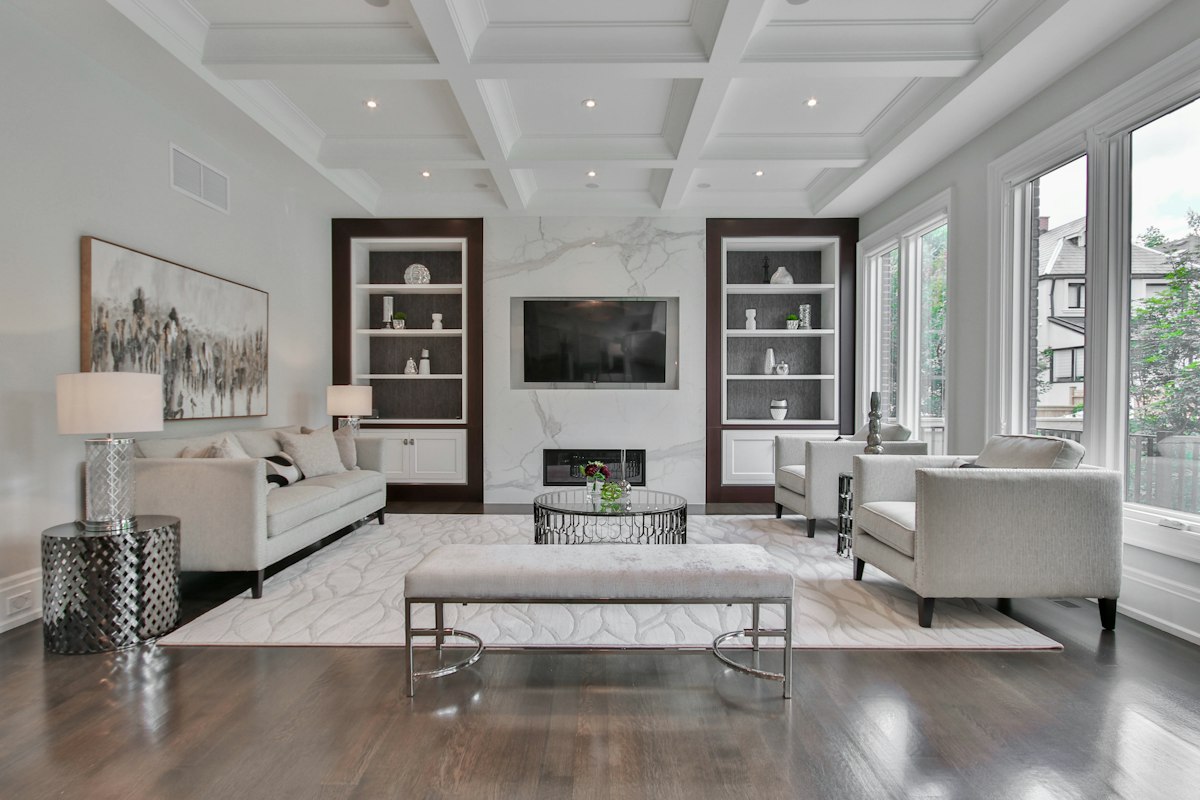
Mastering Luxury Home Interior Design: Principles, Materials, and Practical Execution
True luxury in residential interior design is rarely about flash or conspicuous display. Instead, it manifests in how a home breathes, functions, and accommodates personal routines without friction. When homeowners embark on a high-end build or full-scale renovation, they frequently encounter an ocean of surface-level trends that look striking in photographs but feel hollow and impersonal in daily life.
High-end residential design demands an exacting balance between architectural scale, material authenticity, and bespoke craftsmanship. The challenge lies in distinguishing enduring quality from temporary novelties that quickly lose their appeal. A truly refined interior does not announce its price tag; it reveals its value through tactile richness, quiet acoustics, and intuitive flow.
Related posts
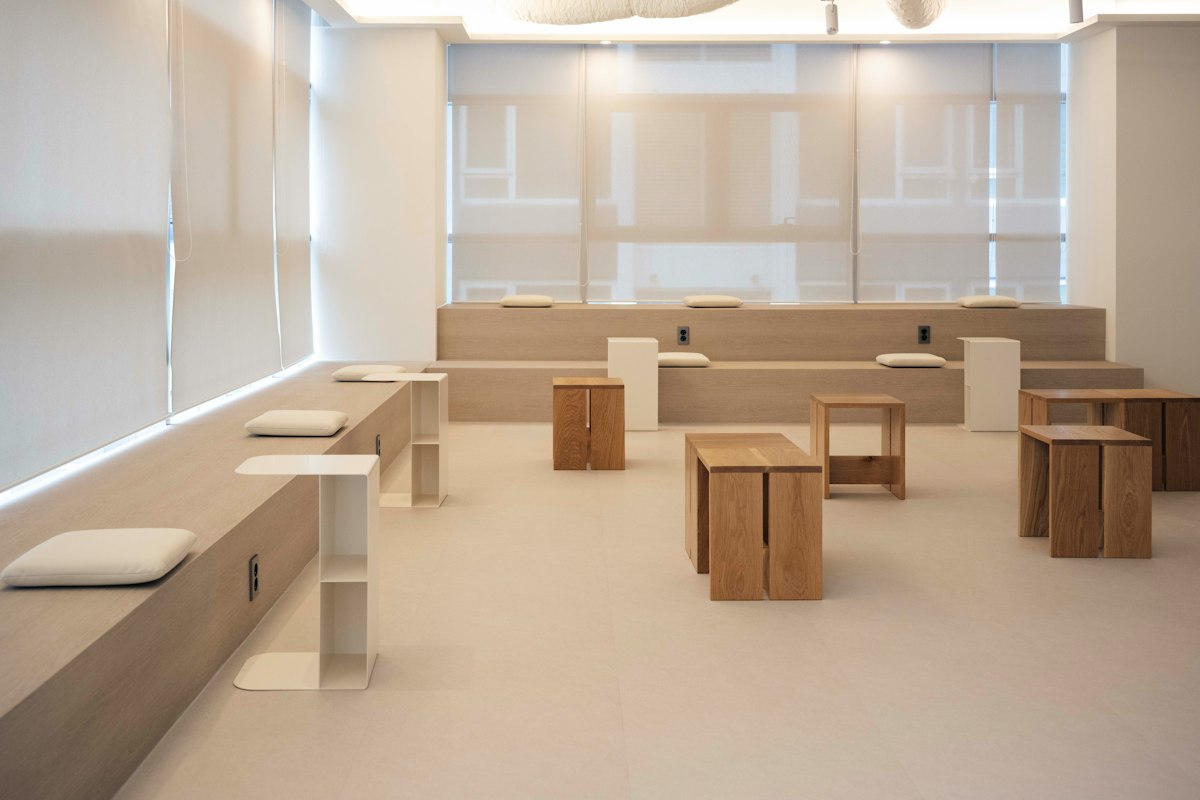
Commercial Office Design: Planning Workspaces That Drive Performance and Retention
Modern commercial office design no longer centers on cramming rows of uniform cubicles under buzzing fluorescent fixtures. Today,...
Read more →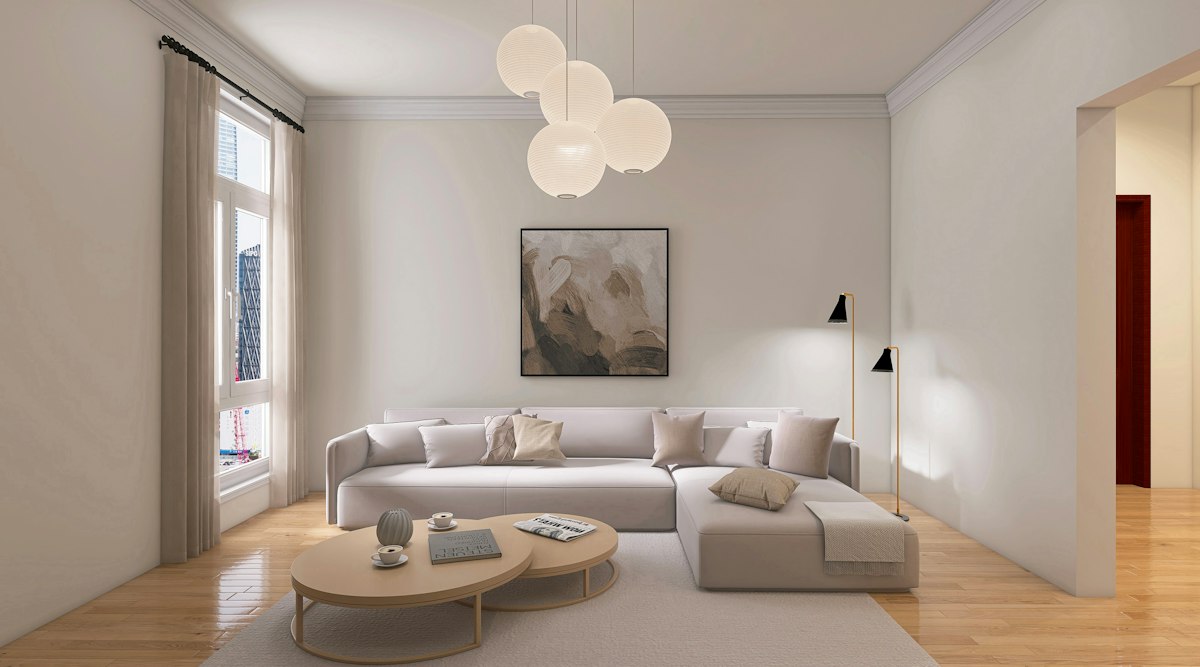
Stylish Living on a Budget: Transforming Your Space with Affordable Interior Design
Walking into a beautifully designed room often feels like stepping into a different reality. Many people assume that...
Read more →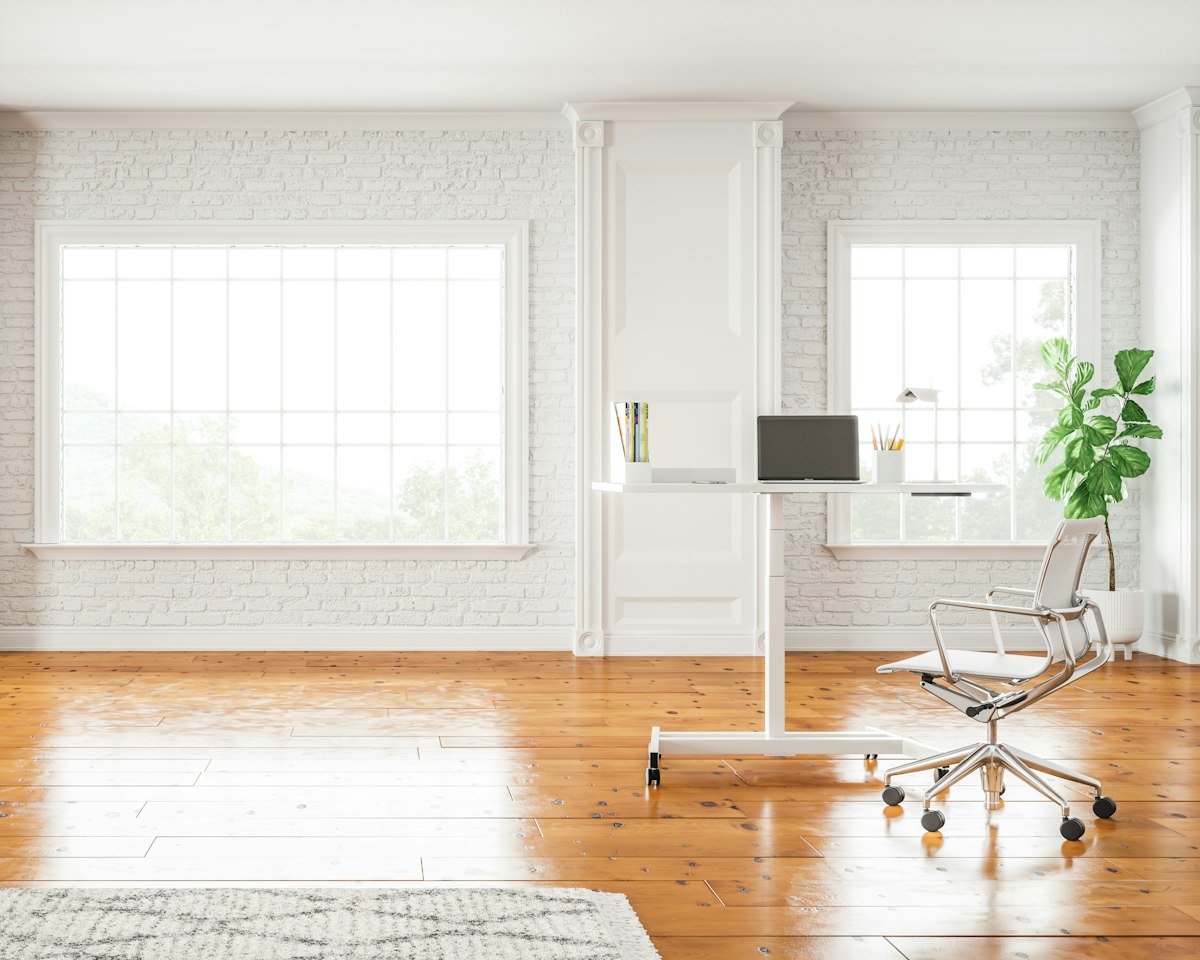
Crafting Productive Spaces: Essential Office Room Interior Design Concepts
The space where you work isn't just a collection of desks and chairs; it's a dynamic environment that...
Read more →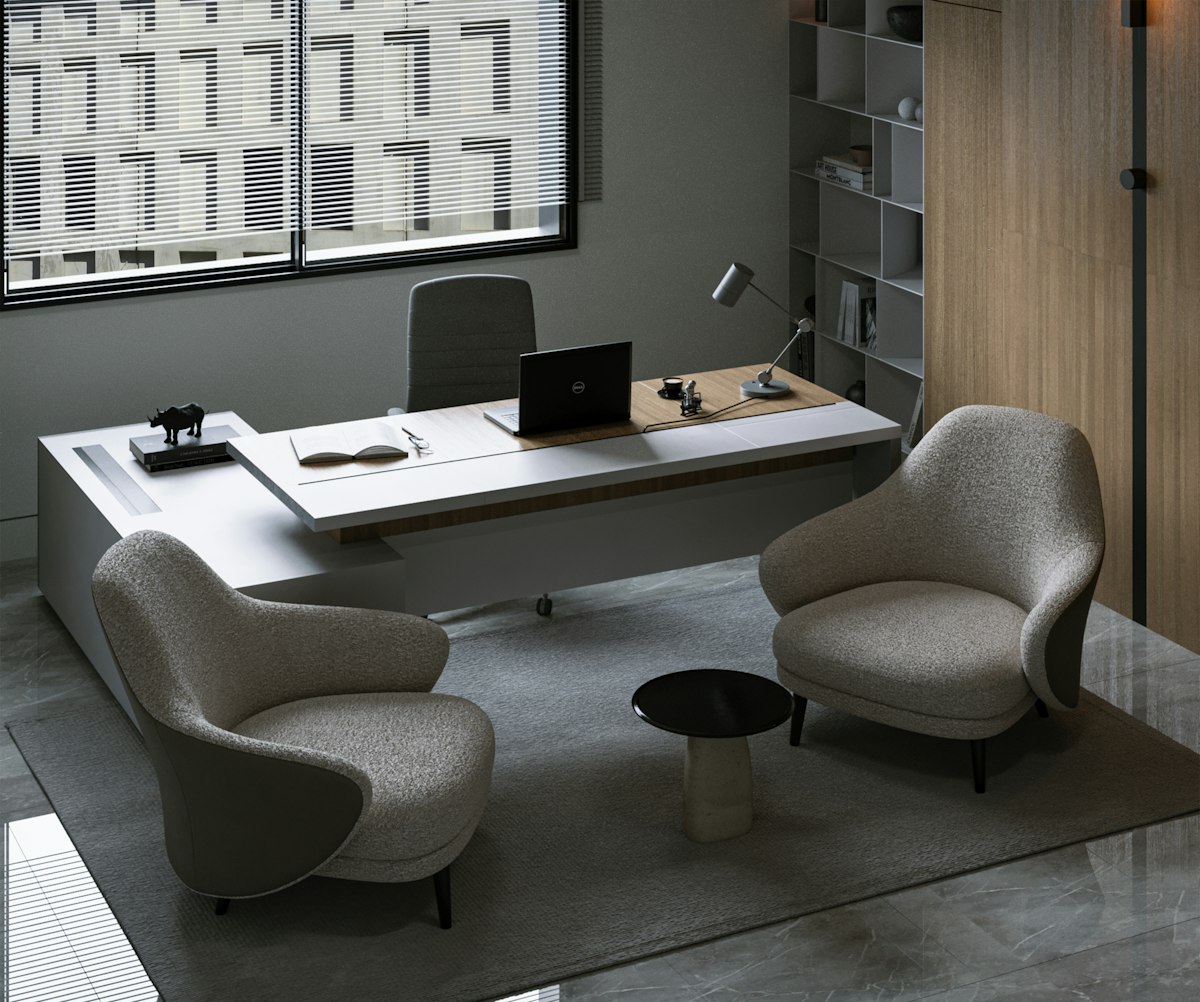
Smart Small Office Interior Design: Maximizing Productivity and Presence
Operating a small office presents unique challenges, not least of which is creating a functional, inspiring, and professional...
Read more →Achieving this standard requires an intimate understanding of how structural volume, natural light, and custom millwork interact. Every surface, shadow, and transition line must serve an intentional purpose. When done right, the home transforms into a personal sanctuary that elevates routine moments into serene experiences.
This examination covers the core tenets of executing luxury home interior design at the highest standard. We will explore spatial choreography, curated material selection, acoustic and lighting engineering, budget parameters, and how to select the right design team to realize your vision.
Key takeaways
- Spatial harmony takes precedence: Flawless proportions, balanced sightlines, and intelligent zoning matter far more than decorative accessories.
- Material permanence defines value: Natural stone, architectural metals, and solid hardwoods develop an organic patina that synthetic alternatives cannot replicate.
- Lighting is structural, not decorative: Architectural lighting layers, warm color temperatures, and high color rendering indexes shape the emotional mood of every room.
- Customization yields functionality: Bespoke millwork and custom furniture bridge architectural volume and human ergonomics seamlessly.
Spatial Choreography and Architectural Scale
Before selecting a single textile or finish, the primary focus of luxury home interior design is spatial choreography. This concept refers to the sequence of spaces through which a person moves, including the deliberate interplay between compression and expansion. An intimate, lower-ceilinged entry vestibule that opens into a soaring double-height living pavilion creates an instinctive emotional shift that paint and furniture alone cannot provide.
While modern floor plans long favored sprawling open-concept layouts, premier residences now lean toward defined programmatic zones. Discreet pocket doors, sculptural room dividers, and subtle changes in floor elevation create purposeful micro-environments. A reading salon can provide acoustic seclusion, while the primary living and entertaining spaces remain grand and expansive. Defining these zones preserves sightlines while giving each room an identifiable identity and acoustic comfort.
Scale and proportion demand absolute precision. Massive rooms quickly feel cavernous and uninviting when filled with standard production furniture. Conversely, overcrowded layouts suffocate fine architectural details. The relationship between ceiling heights, window openings, and furniture silhouettes requires rigorous study through three-dimensional modeling to ensure every piece anchors its setting naturally.
Material Authenticity: Selecting Finishes That Age Gracefully
High-end spaces derive their substance from raw material integrity. In an era dominated by synthetic imitations, genuine luxury relies on natural materials that express their origin and age with dignity.
Natural Stone and Geological Statements
Polished composite surfaces rarely match the presence of hand-selected natural slabs. Designers of premier homes seek out marbles, quartzites, and limestones with distinct veining and tactile finishes. Honed, leathered, and bush-hammered treatments offer matte, sensory experiences that invite touch rather than reflecting glare. Using monolithic stone blocks for kitchen islands, integrated sinks, or floating fireplace hearths introduces permanence into the architecture.
Architectural Timber and Patinated Metals
Rift-sawn white oak, walnut, and smoked European timber lend organic warmth to clean modern lines. In luxury builds, flooring often features wide-plank, continuous lengths that reduce visual seams and ground wide floor plans. Beyond flooring, wall paneling and slatted acoustic ceiling elements add depth and texture. Metals like unlacquered brass, blackened steel, and architectural bronze provide contrasting accents. Left untreated, these metals develop an evolving patina over the decades, serving as living markers of the home's history.
The Hidden Foundation: Architectural Lighting Design
Lighting makes or breaks a luxury interior. When poorly planned, it produces harsh glare, clinical shadows, and visual exhaustion. When masterfully integrated, lighting recedes into the architecture, revealing textures and defining art without calling attention to the fixtures themselves.
A sophisticated lighting scheme relies on four distinct layers:
- Ambient illumination: Soft, indirect light reflected from ceilings or hidden architectural coves that sets a base baseline of visibility.
- Task lighting: Focused, glare-free fixtures positioned over work surfaces, culinary stations, and vanity mirrors.
- Accent lighting: Precision spotlights featuring narrow beam spreads to highlight fine art, architectural relief, or sculptural elements.
- Decorative fixtures: Bespoke chandeliers and pendants chosen primarily as sculptural focal points rather than pure light sources.
Color temperature is equally critical. Premium residential schemes rarely exceed 2700K, often incorporating warm-dimming drivers that drop to 2000K or 2200K as fixtures dim, mimicking the natural warmth of candlelight. Furthermore, specifying light engines with a Color Rendering Index (CRI) of 95 or above ensures that wall finishes, upholstery, and artwork show their true depth and hue without distortion.
Custom Millwork and Tailored Craftsmanship
The boundary between interior design and architecture disappears in custom millwork. Pre-fabricated cabinetry, standard interior doors, and generic trim reveal their seams quickly in a high-end context. True luxury relies on integrated joinery designed specifically for the resident's daily rituals.
Consider concealed dressing rooms with integrated LED illumination, climate-controlled wine displays built with seamless glass and thermal-break steel, and hidden passageways flush-mounted within wood-paneled galleries. These elements eliminate visual clutter by assigning dedicated, bespoke storage for every possession. When every item has a discreet place, the home maintains its serene aesthetic effortlessly.
Custom millwork also resolves architectural anomalies. It conceals structural columns, integrates return air vents seamlessly into shadow reveals, and harmonizes awkward ceiling transitions. This level of finish demands close collaboration between the interior designer and master woodworkers who understand grain matching, edge-banding tolerances, and seasonal wood movement.
Acoustic Comfort: The Unseen Marker of Refinement
How does your home sound? Echoing footsteps, reverberating conversations, and mechanical hums can ruin an otherwise stunning environment. While commercial spaces readily address acoustics, residential luxury often overlooks this sensory dimension until move-in day.
To create acoustic peace, designers introduce acoustic absorptive materials seamlessly throughout the envelope. Hand-knotted wool rugs, silk-blend wallcoverings, upholstered headboard walls, and custom draperies absorb sound flutter. Behind the scenes, acoustic insulation within interior partition walls, decoupled drywall assemblies, and quiet, low-velocity HVAC systems ensure quiet transitions between private and social areas.
The Investment Framework: Understanding Luxury Budgets
Executing high-level interior design requires substantial capital, and budget surprises usually happen when homeowners fail to factor in soft costs and specialized trades. High-end residential interior projects generally fall into clear cost frameworks that extend far beyond initial design concepts.
Design Fees and Fee Structures
Leading design studios typically charge through a combination of hourly rates for conceptual design and a percentage fee—frequently between 20% and 35%—applied to furnishings, fixtures, and equipment (FF&E). Alternatively, some studios calculate fees based on square footage, running anywhere from $50 to $150 or more per square foot for design documentation, 3D visualization, and site coordination.
Procurement and Construction Realities
The physical fitout of a luxury residence—including bespoke cabinetry, stone fabrication, specialty plaster finishes, architectural lighting, and bespoke furniture—regularly ranges from $300 to $1,000+ per square foot. Factors influencing this range include:
- Custom fabrications: One-off commissioned pieces require engineering drawings, prototypes, and extended workshop labor.
- Imported materials: Exotic stone from Italian quarries or textiles from European mills carry freight, insurance, and custom clearance costs.
- Specialty trades: Master plasterers, decorative metal fabricators, and art installers command premium rates for their specialized trade skills.
- Freight, warehousing, and installation: Consolidated shipping, secure climate-controlled staging warehouses, and white-glove installation teams often account for 8% to 15% of the total furnishing budget.
Evaluating and Selecting the Right Design Studio
Finding the right interior designer or interior architect requires looking beyond striking digital portfolios. Because a complete residential project may span eighteen to thirty-six months, clear communication, project management rigor, and aesthetic alignment are essential.
When interviewing potential firms, look at their operational process:
- Technical documentation: Ask to review a completed construction drawing set. A capable studio produces detailed millwork drawings, finish schedules, and electrical plans that leave nothing to the builder's guesswork.
- Procurement transparency: Understand how the studio handles purchasing, trade discounts, freight management, and defective goods claims. Transparent accounting protects against unexpected billing disputes.
- Contractor collaboration: Inquire about their experience working alongside general contractors, landscape architects, and structural engineers. The best designers work as collaborative partners on the job site rather than isolated stylists.
Frequently asked questions
What separates luxury interior design from standard interior decorating?
Decorating focuses primarily on surface aesthetics—selecting paint colors, retail furniture, window treatments, and accessories. Luxury interior design operates at an architectural level. It encompasses spatial reconfiguration, custom millwork engineering, integrated lighting layouts, acoustic management, and material procurement, shaping the physical structure of the living space from the drywall inward.
How long does a high-end interior project take from conception to completion?
A full-scale luxury interior project typically requires twelve to twenty-four months. The conceptual and schematic design phases often take three to five months, followed by several months for architectural documentation and permitting. Custom furniture fabrication, stone procurement, and bespoke millwork can take anywhere from sixteen to twenty-eight weeks, culminating in a multi-week white-glove installation and styling process.
What are the most timeless materials for luxury residential design?
Materials that retain long-term value and aesthetic integrity are inherently natural. Honed marbles (such as Calacatta, Arabescato, and Fior di Pesco), solid European oak or American walnut, architectural bronze, raw linen, wool, and lime-based plasters age gracefully. These materials build patina over decades, outlasting synthetic composites and trendy factory finishes that cannot be refinished.
Should I hire an interior architect or an interior designer?
If your project involves structural alterations, moving load-bearing walls, changing window locations, or completely redesigning primary layouts, an interior architect or an architectural interior design firm is necessary. If your floor plan is locked and your scope focuses on millwork design, material finishes, custom lighting, color palettes, and bespoke furnishings, an interior designer with strong construction experience is well suited for the job.
Conclusion
Luxury home interior design is fundamentally an investment in your daily peace and long-term well-being. True refinement does not announce itself with aggressive grandeur; it demonstrates value through quiet acoustic ease, natural textures that invite touch, and an architectural layout that simplifies movement through the day. By prioritizing spatial proportions, investing in enduring materials, and executing precise lighting and millwork, you craft a residence that stays functional, comfortable, and aesthetically resonant for decades to come.