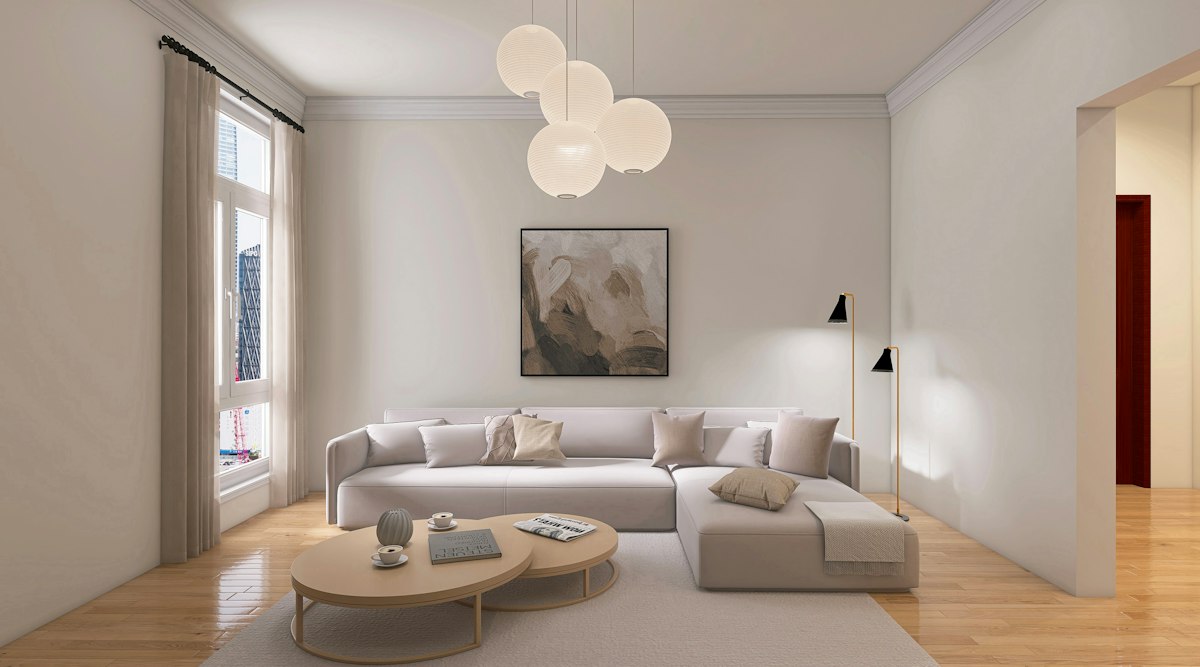
Stylish Living on a Budget: Transforming Your Space with Affordable Interior Design
Walking into a beautifully designed room often feels like stepping into a different reality. Many people assume that achieving a polished, cohesive aesthetic requires a massive bank account and a team of professionals on speed dial. However, the secret that seasoned decorators know is that style is not inherently tied to a price tag. High-end looks are often more about the arrangement, the lighting, and the intentionality of the pieces rather than the cost of the materials.
The challenge for most homeowners and renters is knowing where to allocate limited funds to get the most visual impact. It is easy to get overwhelmed by the endless options in big-box stores or the intimidating portfolios of high-end design firms. You might find yourself wondering if you should save for months for one designer chair or try to furnish an entire room with budget finds. This article will explore how to balance those decisions while maintaining a sophisticated look.
Related posts
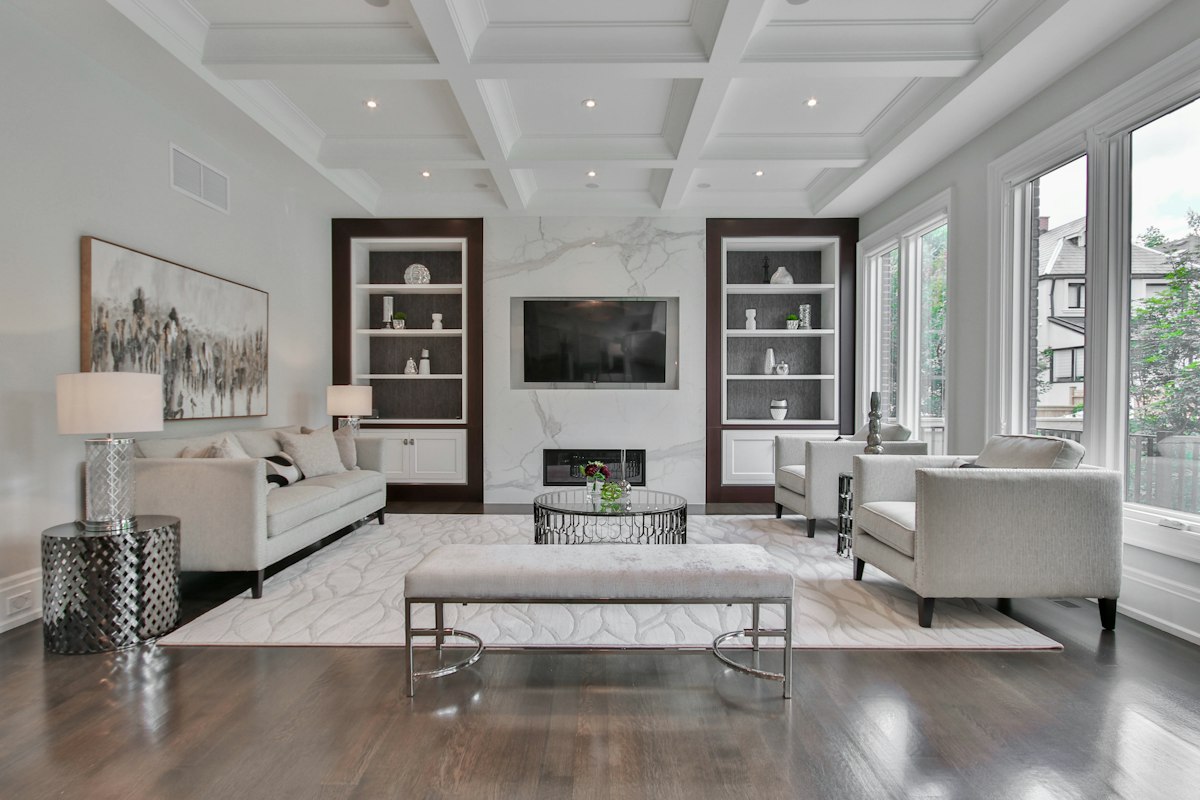
Mastering Luxury Home Interior Design: Principles, Materials, and Practical Execution
True luxury in residential interior design is rarely about flash or conspicuous display. Instead, it manifests in how...
Read more →
Commercial Office Design: Planning Workspaces That Drive Performance and Retention
Modern commercial office design no longer centers on cramming rows of uniform cubicles under buzzing fluorescent fixtures. Today,...
Read more →
Crafting Productive Spaces: Essential Office Room Interior Design Concepts
The space where you work isn't just a collection of desks and chairs; it's a dynamic environment that...
Read more →
Smart Small Office Interior Design: Maximizing Productivity and Presence
Operating a small office presents unique challenges, not least of which is creating a functional, inspiring, and professional...
Read more →We are going to break down the mechanics of affordable interior design, from the rise of virtual consulting to the art of the 'high-low' mix. You will learn how to identify which elements of a room are worth a small investment and which ones you can source for next to nothing. By the end of this discussion, you will have a clear framework for refreshing your living space without compromising your financial stability.
Designing a home should be an empowering process, not a source of stress. Whether you are dealing with a tiny studio apartment or a sprawling suburban house, the principles of scale, color, and texture remain the same. Let’s look at how you can apply these professional techniques to your own environment on a realistic budget.
Key takeaways
- Prioritize high-impact changes like paint and lighting, which offer the highest return on investment for visual appeal.
- Utilize e-design services to get professional advice at a fraction of the cost of traditional in-person consultations.
- Master the 'high-low' mix by investing in one or two 'hero' pieces while filling the rest of the room with affordable or second-hand items.
- Focus on intentionality through decluttering and smart space planning, which costs nothing but significantly improves the room's flow.
The Reality of Modern Budgeting in Design
In the past, interior design was often viewed as an exclusionary service reserved for the wealthy. The landscape has shifted dramatically. Today, affordable interior design is a thriving niche that leverages technology and a more democratic approach to sourcing. The first step in this journey is setting a realistic budget. It is not enough to say you want to spend 'as little as possible.' You need to define a hard number so you can make informed trade-offs.
A helpful way to look at your budget is the 70/30 rule. Allocate 70% of your funds to functional, long-lasting items like a quality sofa or a sturdy dining table. The remaining 30% can go toward aesthetic touches like rugs, art, and accessories. This ensures that your room doesn't just look good but actually functions well for years to come. When you spend too little on the foundation, you end up paying more in the long run when items need frequent replacement.
The Rise of E-Design and Virtual Consultation
One of the most significant shifts in the industry is the emergence of e-design. Traditional designers often charge by the hour or take a hefty commission on furniture purchases. Virtual designers, however, typically offer flat-fee packages. This allows you to receive a professional mood board, a floor plan, and a clickable shopping list for a set price, often ranging from $100 to $500 per room.
This model works because it removes the overhead of site visits and physical styling. You take the measurements and photos, and they provide the expertise. It is a perfect middle ground for someone who has a good eye but needs a cohesive plan to tie everything together. It prevents the 'expensive mistake' of buying furniture that is the wrong scale for the room, which is a common pitfall for DIY decorators.
Choosing the Right Virtual Partner
When looking for an affordable designer online, look for portfolios that match your personal style. Some platforms use AI to help generate ideas, while others pair you with a human designer. For the best results, choose a service that allows for at least one or two rounds of revisions. Communication is fundamental here; the more specific you are about your lifestyle—such as having pets or young children—the better the final plan will be.
High-Impact, Low-Cost Upgrades
If a full redesign isn't in the cards, focus on the 'big wins.' Paint is arguably the most powerful tool in your arsenal. A fresh coat of paint can hide imperfections, brighten a dark room, or add a sense of moodiness and sophistication to a bland space. Don't just stick to the walls; consider painting your kitchen cabinets or an old wooden dresser to give them a modern lease on life.
Lighting is another area where a small investment goes a long way. Most rental units and older homes come with 'builder-grade' fixtures that are often uninspiring. Replacing a central flush-mount light with a statement pendant can instantly elevate the entire room. Additionally, pay attention to color temperature. Swapping out cool-toned bulbs for warm, soft-white LEDs can make a cheap room feel like a high-end hotel lounge overnight.
The Power of Hardware and Details
Never underestimate the impact of the small stuff. Replacing dated plastic switch plates with metal ones or swapping out basic cabinet knobs for brass or matte black pulls can make a kitchen or bathroom look renovated for under $100. These are the tactile elements you interact with every day, and upgrading them adds a sense of quality that belies their cost.
Sourcing Sustainably and Second-Hand
Affordable interior design is often synonymous with being a savvy shopper. Online marketplaces, local thrift stores, and estate sales are gold mines for high-quality furniture made from real wood—something that is increasingly rare in the budget-friendly new furniture market. A solid oak table from the 1970s will likely outlast a modern particle-board version and can be easily refinished to suit your style.
The trick to second-hand shopping is looking at the 'bones' of a piece rather than the surface. A chair with an ugly fabric but a beautiful silhouette can be reupholstered or covered with a well-fitted slipcover. When browsing marketplaces, use specific search terms like 'mid-century modern,' 'solid wood,' or 'vintage' to filter out the low-quality mass-produced items.
The High-Low Strategy: How to Mix and Match
You don't need every item in your home to be a masterpiece. In fact, a room where everything is 'loud' can feel cluttered and chaotic. The high-low strategy involves picking one 'hero' item that draws the eye and investing a bit more in it. This could be a high-quality rug with a complex weave or a piece of original art. Once that anchor is in place, you can fill the rest of the room with basic, affordable items from retailers like IKEA or Target.
For example, a basic white sofa can look incredibly expensive if it is topped with high-end linen pillows and draped with a textured wool throw. The eye tends to settle on the textures and the 'hero' pieces, skimming over the simpler items. This creates an illusion of luxury while keeping the total spend manageable.
Space Planning: The Free Design Tool
Sometimes, the problem with a room isn't the furniture; it is the layout. Space planning is a fundamental aspect of interior design that costs absolutely nothing. Many people push all their furniture against the walls, thinking it makes the room feel larger. In reality, 'floating' your furniture—pulling it a few inches away from the walls or grouping it into functional zones—can create a much more professional and inviting feel.
Think about the flow of traffic. Can you walk through the room without bumping into anything? Is there a clear focal point, like a fireplace or a window? Simply rotating your rug or moving your armchair to the other side of the room can change the entire energy of the space. Before you buy anything new, try three different layouts with what you already own. You might find that you don't need new furniture at all.
Avoiding Common Budget Pitfalls
The biggest mistake in affordable interior design is 'panic buying.' This happens when you feel the need to finish a room all at once and buy whatever is available and cheap. This leads to a disjointed look that lacks personality. Design is a marathon, not a sprint. It is better to have an empty corner for two months while you wait for the right piece to show up on a resale site than to fill it with something you will want to replace in a year.
Another pitfall is ignoring scale. People often buy rugs that are too small because they are significantly cheaper. However, a small rug makes a room look disjointed and 'shrunken.' It is often better to buy a large, inexpensive jute or sisal rug and layer a smaller, nicer rug on top of it. This gives you the coverage you need without the massive price tag of a large wool rug.
Frequently Asked Questions
How much should I expect to pay for a budget room makeover?
A significant cosmetic refresh—including paint, new lighting, and a few key accessories—can be done for $500 to $1,500 per room. If you need to purchase major furniture pieces like a sofa or bed frame, expect that number to move closer to $3,000. Using second-hand markets can easily cut these costs by 50% or more.
Can I hire a designer for just a few hours of work?
Yes, many independent designers offer 'consultation only' services. You can pay for a two-hour block where they walk through your home and give you immediate feedback on paint colors, furniture placement, and shopping suggestions. This is a very cost-effective way to get professional direction without committing to a full-service contract.
Is DIY always cheaper than buying new?
Not necessarily. By the time you buy specialized tools, sandpaper, primer, and high-quality paint, a DIY project can end up costing as much as a new mid-range item. Always calculate the cost of materials and the value of your time before starting a complex project. DIY is best for unique, custom looks or when you already own the necessary tools.
How do I make a rental look designed without losing my security deposit?
Focus on 'removable' design. Use tension rods for high-quality curtains, swap out light fixtures (and keep the originals to put back later), and use large-scale art or leaning mirrors to cover wall space. Peel-and-stick wallpaper and floor tiles have also improved significantly in quality and are great for temporary transformations.
What is the most important element in an affordable room?
Cohesion is the most important factor. Even a room filled with expensive furniture will look bad if the colors clash and the scale is off. A room filled with budget finds can look like a million dollars if there is a consistent color palette and a clear sense of balance. Focus on the 'vibe' rather than the individual price tags.
Conclusion
Affordable interior design is about making conscious choices that prioritize style and function over brand names and trends. By focusing on high-impact changes like paint and lighting, leveraging the power of e-design, and shopping strategically on the second-hand market, you can create a home that feels curated and personal. Remember that the most beautiful homes are those that reflect the people living in them, not just the latest showroom floor. Start small, be patient, and trust that a well-planned space is within your reach, regardless of your budget.