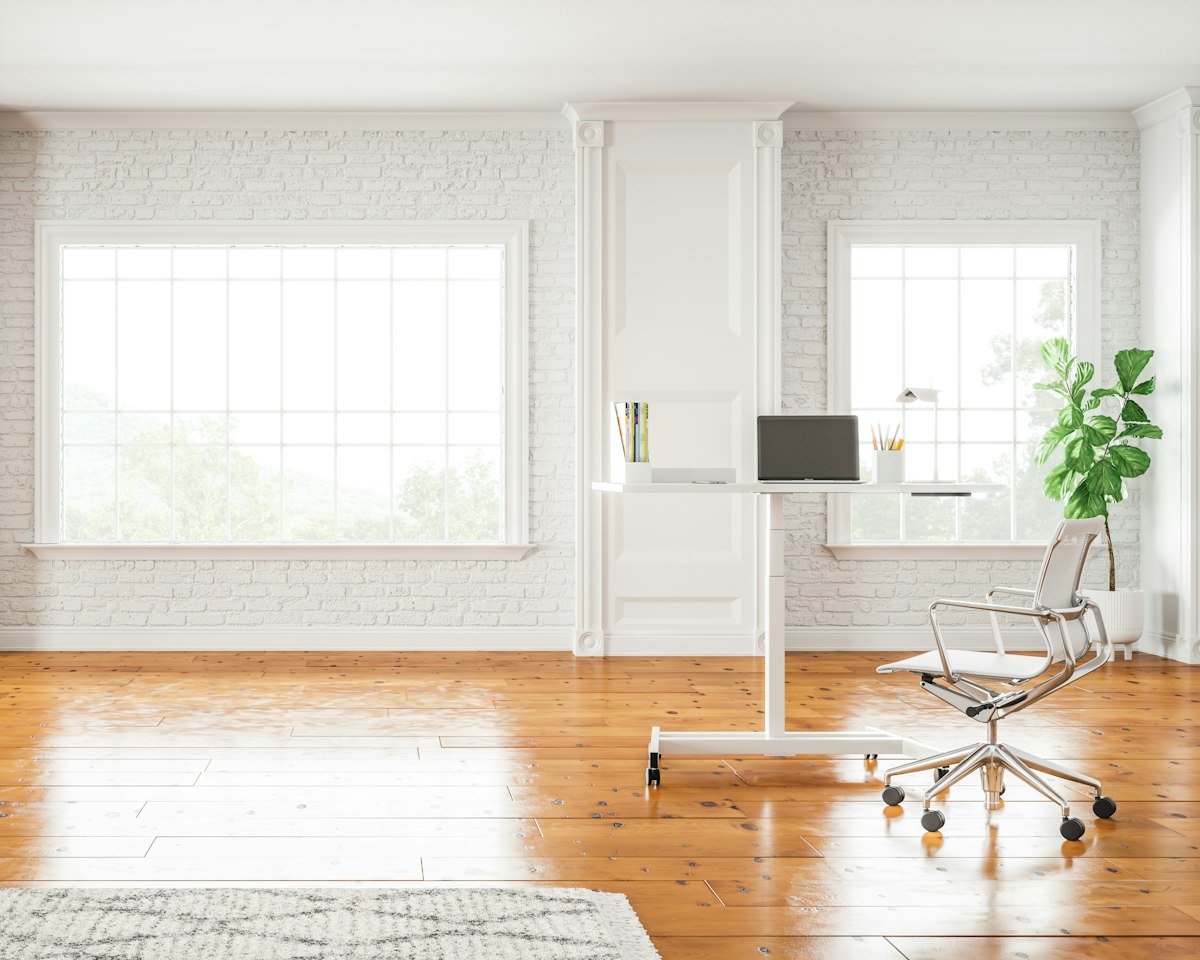
Crafting Productive Spaces: Essential Office Room Interior Design Concepts
The space where you work isn't just a collection of desks and chairs; it's a dynamic environment that profoundly influences productivity, mood, and overall business success. Far too often, office rooms are treated as mere functional boxes, overlooking their immense potential to inspire focus, foster collaboration, and reflect a company's unique identity.
Consider the daily impact: a poorly lit corner can strain eyes, an uncomfortable chair can lead to back pain, and a cluttered space can fragment attention. These seemingly small details accumulate, affecting employee well-being, client perceptions, and ultimately, your bottom line. Thoughtful design, conversely, creates an atmosphere where ideas flourish and tasks are accomplished with greater ease.
Related posts
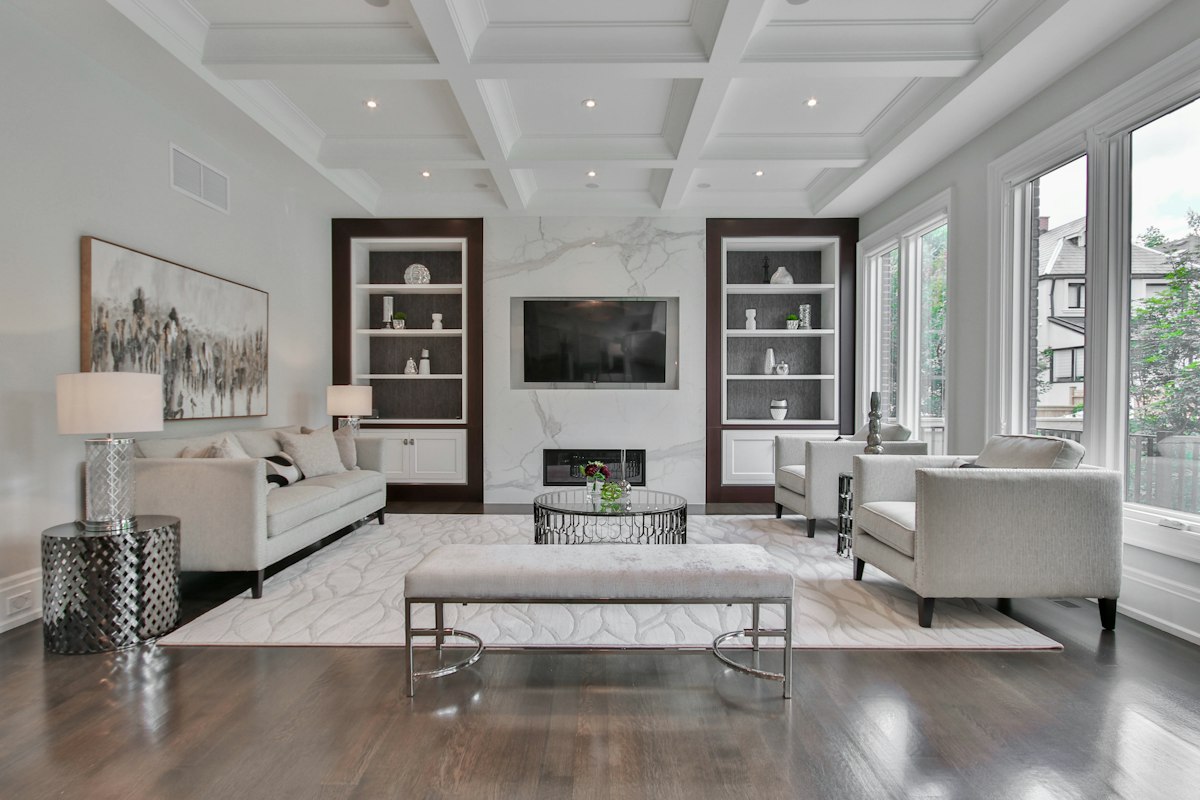
Mastering Luxury Home Interior Design: Principles, Materials, and Practical Execution
True luxury in residential interior design is rarely about flash or conspicuous display. Instead, it manifests in how...
Read more →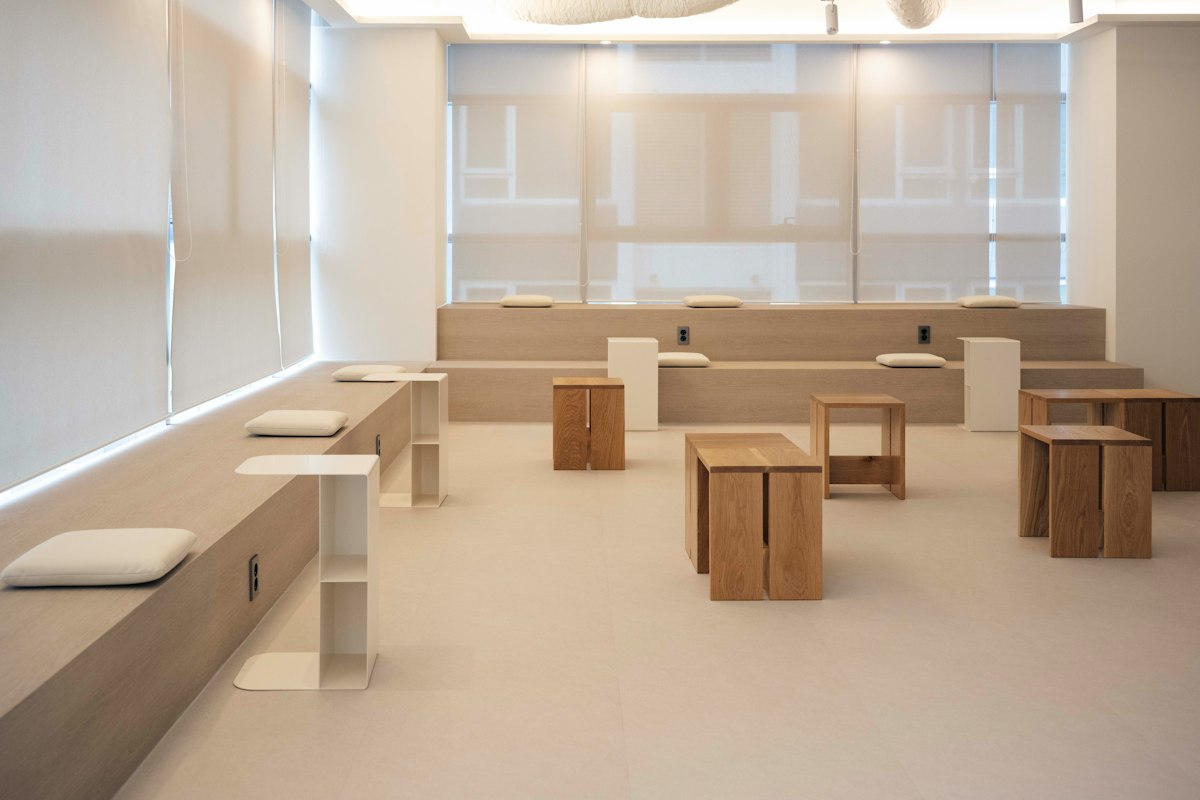
Commercial Office Design: Planning Workspaces That Drive Performance and Retention
Modern commercial office design no longer centers on cramming rows of uniform cubicles under buzzing fluorescent fixtures. Today,...
Read more →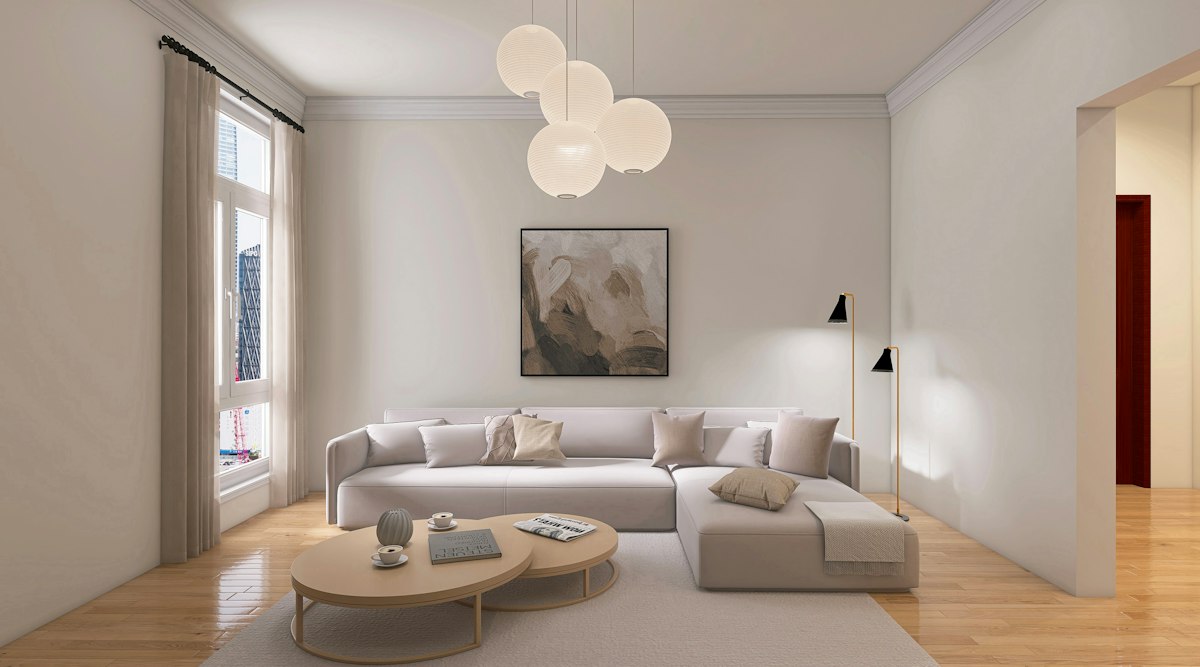
Stylish Living on a Budget: Transforming Your Space with Affordable Interior Design
Walking into a beautifully designed room often feels like stepping into a different reality. Many people assume that...
Read more →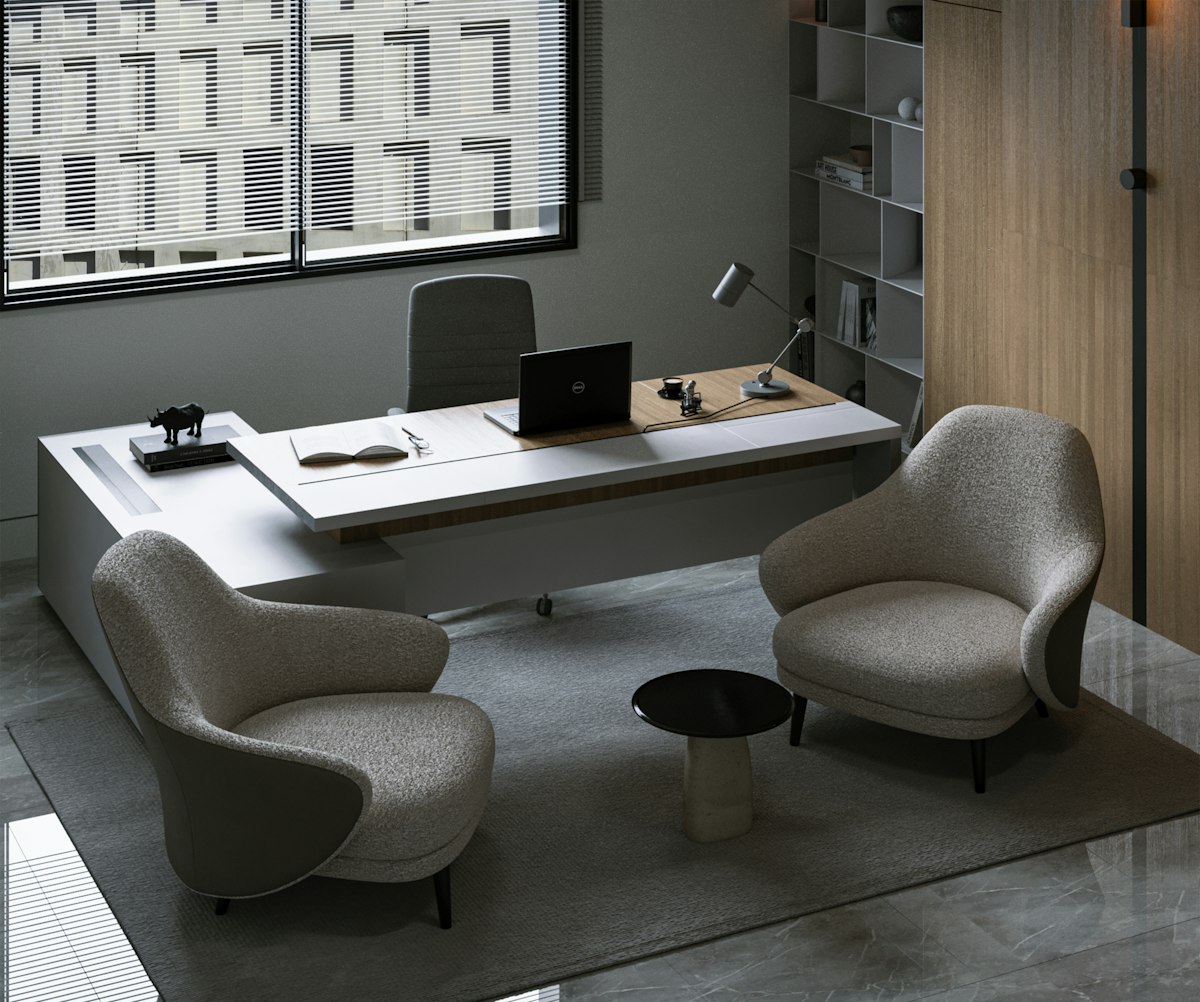
Smart Small Office Interior Design: Maximizing Productivity and Presence
Operating a small office presents unique challenges, not least of which is creating a functional, inspiring, and professional...
Read more →This discussion isn't about fleeting trends or extravagant makeovers. Instead, we'll explore fundamental principles of office room interior design that are both practical and enduring. We'll examine how strategic choices in layout, lighting, color, and furnishings can transform a mundane workspace into an engine of efficiency and comfort. Whether you're setting up a new office, renovating an existing one, or simply looking to optimize your current setup, understanding these core concepts is invaluable.
By the end, you'll have a clear perspective on how to approach your office design project, making informed decisions that align with your operational needs and aesthetic aspirations. We'll cover everything from maximizing small spaces to integrating technology seamlessly and understanding when professional assistance becomes a wise investment.
Key Takeaways
- Prioritize functionality and ergonomics to support health and productivity above all else.
- Leverage natural and artificial lighting strategically to enhance mood and reduce eye strain.
- Integrate elements of brand identity and personal comfort to create an inspiring and authentic workspace.
- Understand the long-term value of investing in quality furniture and professional design advice where appropriate.
Understanding Your Office's Purpose and Occupants
Before moving a single piece of furniture or selecting a paint swatch, it's crucial to understand the fundamental purpose of your office room. Is it a bustling hub for creative teams, a quiet sanctuary for deep work, or a polished space for client interactions? The answer dictates every subsequent design decision.
Defining Workflow and Needs
Begin by analyzing the daily activities that occur within the space. Do individuals need quiet concentration for coding or writing? Are there frequent impromptu meetings or collaborative brainstorming sessions? For a solo entrepreneur, a home office might need to serve multiple functions, from video calls to administrative tasks. For a larger team, consider the balance between individual workstations and shared zones like huddle rooms or break areas. Mapping out these workflows helps define spatial requirements, ensuring that the design supports, rather than hinders, operational efficiency.
Ergonomics and Well-being
The human element is paramount. An ergonomically designed office isn't a luxury; it's a necessity for health and sustained productivity. This means selecting chairs that support proper posture, desks that allow for adjustable heights, and monitors positioned at eye level. Beyond furniture, consider air quality, temperature control, and access to natural light. A comfortable and healthy environment reduces fatigue, minimizes the risk of work-related injuries, and significantly boosts overall morale. Isn't investing in your team's well-being one of the smartest decisions you can make?
Core Elements of Effective Office Room Design
Once you understand the 'why,' you can begin to tackle the 'how.' These core elements form the building blocks of any successful office room interior design, each playing a critical role in shaping the final experience.
Layout and Flow: Maximizing Space
The layout is the skeleton of your office. It dictates how people move, interact, and access resources. For smaller rooms, consider multi-functional furniture and vertical storage to maximize every square foot. In larger spaces, think about zoning: clearly defined areas for different activities. This could mean a quiet zone for focused work, a collaborative area for team discussions, or a lounge for informal breaks. Ensure clear pathways and avoid placing obstacles in high-traffic areas. A well-planned flow minimizes disruptions and makes the space feel intuitive and inviting.
Lighting: Natural and Artificial Brilliance
Effective lighting is a cornerstone of a productive office. Natural light is always preferred; position desks to take advantage of windows, but be mindful of glare. Supplement natural light with a layered approach to artificial lighting. This includes ambient lighting for general illumination, task lighting (like desk lamps) for specific activities, and accent lighting to highlight architectural features or artwork. The goal is to create an evenly lit space that reduces eye strain and supports various visual tasks throughout the day. Warm white tones often create a more inviting atmosphere, while cooler tones can promote alertness.
Color Psychology: Setting the Tone
Colors profoundly influence mood and perception. Blues and greens are often associated with calmness, focus, and creativity, making them excellent choices for workspaces. Yellows can inspire optimism and energy, but too much can be overwhelming. Neutrals like grays, whites, and beiges provide a versatile backdrop, allowing you to introduce pops of color through accessories, artwork, or feature walls. When selecting a palette, consider your brand identity and the desired atmosphere. Do you want a vibrant, energetic space or a serene, contemplative one?
Furniture Selection: Beyond the Desk
Furniture is more than just functional; it defines the aesthetic and comfort of your office. Invest in high-quality, ergonomic chairs and desks that can withstand daily use. Adjustable standing desks have become incredibly popular for their health benefits, allowing users to switch positions throughout the day. Beyond individual workstations, consider comfortable visitor chairs, meeting tables of appropriate size, and smart storage solutions. When budgeting, remember that durable, well-designed pieces often offer better long-term value than cheaper alternatives requiring frequent replacement. Think about both form and function, ensuring pieces are visually appealing and highly practical.
Acoustics: Managing Sound for Focus
Noise is a significant productivity killer in many offices. Addressing acoustics involves more than just asking people to be quiet. Consider incorporating sound-absorbing materials like acoustic panels, carpets, or even strategically placed bookshelves filled with books. Fabric-covered furniture can also help. In open-plan offices, zoning with partitions or creating dedicated quiet rooms can mitigate distractions. Sometimes, even introducing a subtle white noise machine can create a more conducive environment by masking jarring sounds and creating a consistent, unobtrusive background hum.
Biophilic Design: Bringing Nature Indoors
Humans have an innate connection to nature, and bringing elements of the outdoors into your office can have remarkable benefits. Incorporate live plants – they improve air quality and add a sense of calm. Consider natural materials like wood, stone, or bamboo in your furniture or decor. Maximize views to the outside, or if that's not possible, use nature-inspired artwork or patterns. Biophilic design has been shown to reduce stress, improve cognitive function, and enhance overall well-being, making it a valuable addition to any office environment.
Personalizing Your Professional Environment
An office should feel professional, but that doesn't mean it has to be sterile. Thoughtful personalization can make a space truly inspiring and reflective of its occupants.
Brand Identity and Aesthetics
Your office room is an extension of your brand. Does the design reflect your company's values, culture, and mission? Incorporate your brand colors subtly, display company achievements, or use artwork that aligns with your industry or ethos. For a client-facing office, a cohesive and polished aesthetic instills confidence and reinforces your professional image. This isn't about slapping logos everywhere; it's about creating an atmosphere that resonates with your brand story and leaves a lasting impression.
Storage Solutions: Clutter-Free Zones
A cluttered office is a cluttered mind. Effective storage is essential for maintaining order and visual calm. Think beyond basic filing cabinets. Integrated shelving, credenzas, wall-mounted units, and even stylish baskets can keep documents, supplies, and personal items neatly organized. Consider digitalizing as much as possible to reduce paper clutter. The goal is to have a place for everything, making it easy to keep surfaces clear and focus on the task at hand.
Technology Integration: Seamless and Smart
Modern offices are heavily reliant on technology, and its integration should be seamless. Plan for ample power outlets and robust data connections. Effective cable management is crucial – nobody wants a spaghetti junction of wires under their desk. Consider built-in charging stations, smart lighting systems, and integrated audio-visual equipment for presentations or video conferencing. The technology should enhance, not complicate, the work experience. A well-designed office anticipates these needs and incorporates them elegantly.
Budgeting and Professional Assistance
Designing an office, whether a small home setup or a multi-room corporate space, involves financial considerations. Understanding how to budget and when to seek expert help can save both time and money in the long run.
Cost Considerations: Investing Wisely
Office interior design costs can vary dramatically based on size, materials, furniture quality, and the extent of customization. It's helpful to break down your budget into categories: furniture, lighting, flooring, paint, technology, and potentially professional design fees. While it might be tempting to opt for the cheapest options, remember the long-term value of durable, ergonomic pieces. High-quality items often last longer, perform better, and contribute more to employee well-being, reducing future replacement costs. Consider a phased approach if your budget is tight, prioritizing essential ergonomic pieces first and adding aesthetic elements later.
When to Engage a Professional Designer
For complex projects, multi-room offices, or when you simply lack the time or expertise, engaging a professional interior designer is a wise investment. They bring specialized knowledge of spatial planning, material selection, lighting design, and ergonomics. A designer can help articulate your vision, source unique pieces, manage contractors, and often save you money by avoiding costly mistakes. Their fees typically range from hourly rates to a percentage of the project cost, or a flat fee, depending on the scope. A good designer understands commercial intent and can create a space that not only looks good but also optimizes workflow and reflects your brand effectively.
DIY vs. Professional: Weighing the Options
Deciding between a DIY approach and hiring a professional depends on several factors: your budget, time availability, design confidence, and the complexity of the project. For a small home office refresh, a DIY approach might be perfectly adequate with careful research and planning. However, for larger commercial spaces, or if structural changes, complex electrical work, or specific branding requirements are involved, professional expertise becomes invaluable. Weigh the potential cost savings of DIY against the risk of costly errors, missed opportunities, and the time commitment required.
FAQ
How can I make a small office room feel larger and more functional?
To maximize a small office, focus on light colors, reflective surfaces, and multi-functional furniture. Use vertical space with wall-mounted shelves or tall, narrow storage units. Opt for a minimalist approach, keeping clutter to a minimum. Mirrors can create an illusion of depth, and choosing furniture with slender legs rather than bulky bases can make the room feel less crowded. Ensure adequate lighting to brighten the space and avoid dark corners.
What are the most common mistakes to avoid in office interior design?
Common mistakes include neglecting ergonomics, leading to discomfort and health issues. Another is poor lighting, which causes eye strain and fatigue. Overlooking acoustics can result in a noisy, distracting environment. Additionally, failing to consider workflow and traffic patterns can lead to inefficient movement. Finally, a lack of storage often results in clutter, undermining a professional and productive atmosphere.
Is it necessary to use ergonomic furniture, and what's the typical cost difference?
Yes, ergonomic furniture is highly recommended, not just for comfort but for long-term health and productivity. While initial costs for ergonomic chairs and adjustable desks can be higher – often ranging from a few hundred to over a thousand dollars compared to basic office furniture – the investment pays off through reduced absenteeism, improved focus, and fewer work-related health complaints. Consider it an investment in your well-being and efficiency.
How do I balance open-plan collaboration with the need for quiet focus areas?
Achieving this balance requires strategic zoning. Create distinct areas using furniture arrangements, acoustic panels, or even partial walls. Design dedicated "focus pods" or quiet rooms for concentrated work. Implement clear communication protocols about noise levels in different zones. Utilizing sound-masking technology or white noise can also help create a more consistent and less distracting auditory environment in open areas.
What are some cost-effective ways to update an existing office interior?
To update an office on a budget, start with paint – a fresh coat in a new, calming color can make a huge difference. Improve lighting by adding task lamps or upgrading light fixtures. Incorporate plants for biophilic benefits. Reorganize and declutter, investing in smart, affordable storage solutions. You can also refresh textiles like curtains or chair cushions, and add inspiring artwork or updated accessories to change the aesthetic without a full renovation.
Conclusion
The design of your office room is more than an aesthetic choice; it's a strategic investment in productivity, well-being, and brand identity. By thoughtfully considering layout, lighting, ergonomics, and the subtle power of color and natural elements, you can create a workspace that not only looks professional but actively supports the goals and health of its occupants. Approach your office design with intention, understanding that every decision contributes to an environment where innovation thrives and work feels less like a chore and more like a purpose.