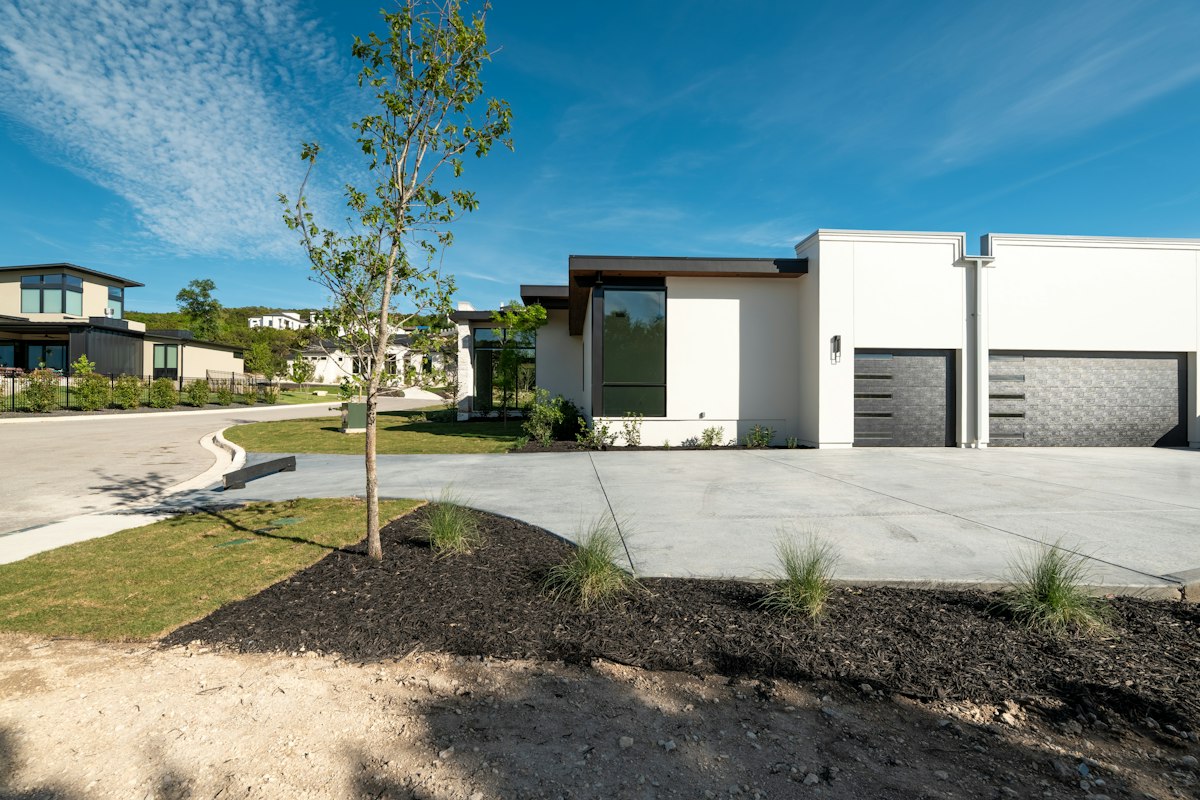
Modern Living: What to Expect When Looking for New Houses for Sale Near Me
The search for new houses for sale near me often begins with a desire for simplicity and a fresh start. You might be tired of the endless cycle of repairs that come with an older property, or perhaps you are looking for a space that actually fits the way people live in the 2020s. There is something undeniably attractive about being the first person to cook in a kitchen, the first to use the primary suite, and the first to enjoy a backyard that hasn't been neglected for decades. It is about more than just aesthetics; it is about the peace of mind that comes with modern construction standards and the latest technology.
When you start browsing listings, you will notice that the market for new construction operates quite differently from the resale market. From the way pricing is structured to the timeline of the purchase, there are specific nuances that every buyer should understand before signing a contract. This discussion will cover the practicalities of buying a brand-new home, including the financial incentives often offered by builders, the different types of new builds available, and why having independent representation is a smart move even when a builder has their own sales staff on-site.
Related posts
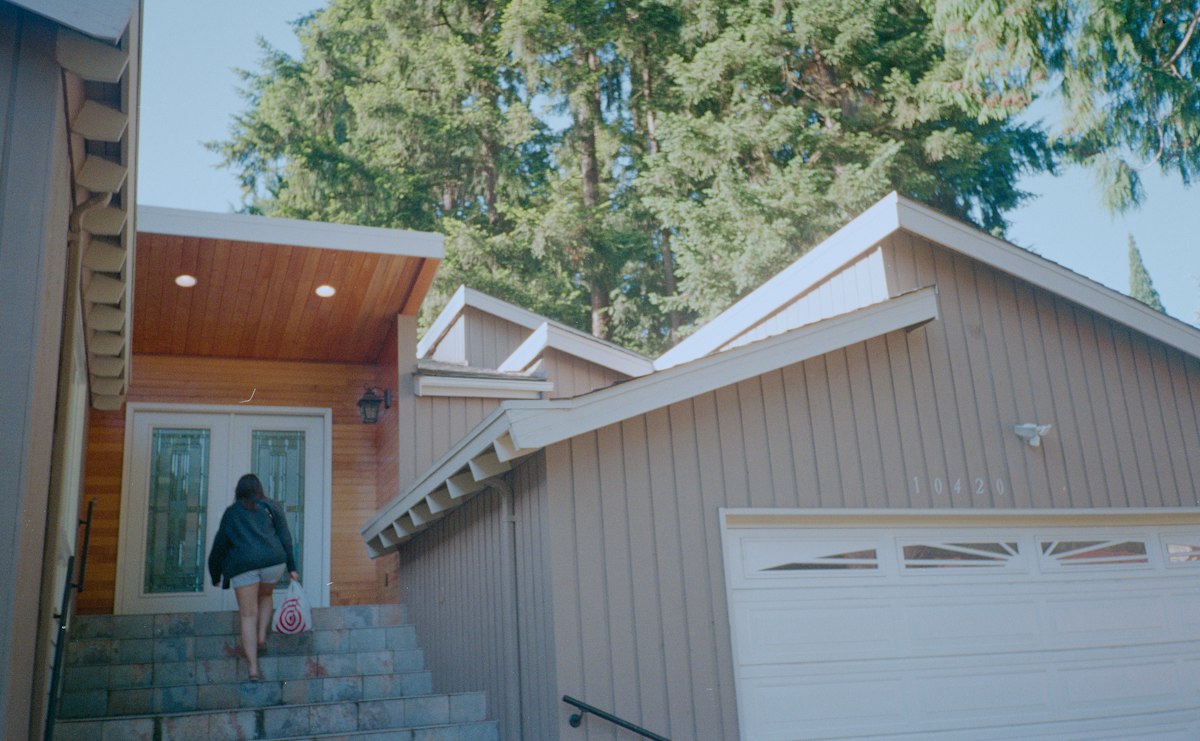
Cash Offers and Quick Closings: How to Have an Investor Buy Your House Fast
Selling a home is often one of the most taxing experiences a person can go through. Between the...
Read more →
Buying New Build Homes for Sale: Advantages, Costs, and the Modern Property Market
Stepping into a property that has never been lived in before offers a unique sense of possibility. For...
Read more →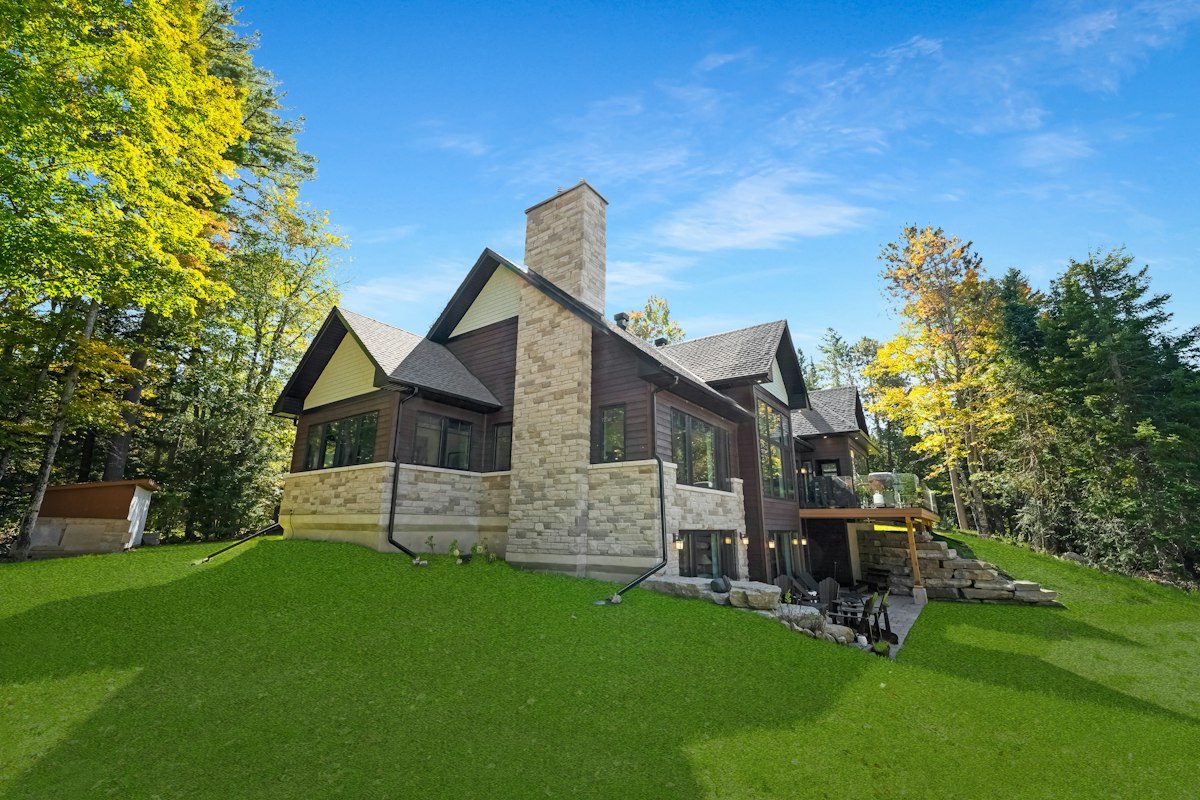
Exploring New Build Homes in Your Area: What You Need to Know
The prospect of owning a home is often filled with excitement, and for many, the journey begins with...
Read more →
Top Companies That Buy Houses for Cash: A Detailed Review of Your Options
Selling a home is traditionally a marathon of repairs, staging, open houses, and the nerve-wracking wait for a...
Read more →We will also look at the long-term benefits of energy efficiency and the protections offered by modern home warranties. Buying a home is likely the largest investment you will ever make, and when that home is brand new, the stakes and the opportunities are unique. By understanding the process from the ground up, you can make an informed decision that aligns with both your lifestyle needs and your long-term financial goals. Let’s explore what you need to know to move forward with confidence.
Key takeaways
- Builder Incentives: Many developers offer significant financial perks, such as interest rate buy-downs or closing cost credits, which can make new homes more affordable than resales.
- Warranty Protection: New builds typically come with a multi-tiered warranty (1-2-10 years) that covers workmanship, systems, and structural integrity.
- Energy Efficiency: Modern homes use advanced insulation, high-efficiency HVAC systems, and smart tech to significantly lower monthly utility bills.
- Independent Inspections: Even with a new house, hiring your own inspector for a pre-drywall and final walk-through is a necessary step to ensure quality.
The Appeal of a Fresh Start in a New Home
Why are so many buyers currently focused on new houses for sale near me? The primary driver is often the elimination of the "remodeling tax." When you buy a resale home, you are frequently paying for the previous owner's taste—or lack thereof. You might spend the first three years of homeownership replacing orange shag carpet or updating a 1990s kitchen. With a new build, those updates are already integrated into the purchase price. You move into a space that is clean, functional, and ready for your furniture on day one.
Beyond the cosmetics, modern floor plans are designed for how we live today. This means open-concept living areas, dedicated home offices, and mudrooms that can actually handle a family's gear. Older homes often have small, chopped-up rooms that feel dark and cramped. New construction prioritizes natural light with larger windows and higher ceilings, creating an environment that feels spacious even at a smaller square footage. Have you considered how much a well-designed layout affects your daily stress levels? The flow of a modern home is often its most underrated feature.
Then there is the technology factor. New houses are often "smart" from the start. This includes integrated wiring for high-speed internet, smart thermostats, and sometimes even EV charging stations in the garage. These aren't just gadgets; they are features that increase the property's future resale value and make your daily life more convenient. When the infrastructure is built-in rather than retrofitted, it tends to be more reliable and easier to manage.
Understanding the Different Types of New Builds
As you look for new houses for sale near me, you will encounter three main categories: spec homes, production homes, and custom builds. Spec homes (short for speculative) are houses that a builder has already started or completed without a specific buyer in mind. These are excellent if you need to move quickly. You might lose the ability to choose your finishes, but you gain the advantage of a predictable closing date and often a more motivated builder who wants to move the inventory off their books.
Production Homes and Planned Communities
Production homes are the most common type of new construction. These are built by large developers in planned communities. You typically choose from a handful of floor plans and then visit a design center to pick your cabinets, flooring, and countertops. This model offers a balance between personalization and cost-efficiency. Because the builder is purchasing materials in bulk and using the same crews for dozens of homes, they can offer a lower price point than a one-off custom project.
The Custom Home Route
Custom homes are at the other end of the spectrum. This is where you purchase a piece of land and hire an architect and a builder to create a one-of-a-kind residence. While this offers the most control, it also involves the most risk and the longest timelines. Costs can spiral if you aren't disciplined with your choices, and financing a custom build often requires a specific type of construction loan rather than a traditional mortgage. For most people searching for "new houses for sale near me," production or spec homes provide the best path to homeownership.
The Financial Side of New Construction
The pricing of new homes can be deceptive. The "starting at" price you see on a billboard usually refers to the base model on the least expensive lot with standard finishes. By the time you add a "lot premium" for that nice cul-de-sac location and $30,000 in kitchen upgrades, the final price can be significantly higher. It is important to set a firm budget before you step foot in a model home, as those beautifully staged spaces are designed to make you want every possible upgrade.
One major advantage of new construction is the builder's preferred lender. To keep their projects moving, many builders have in-house mortgage companies. They might offer a 2-1 interest rate buy-down, where your interest rate is 2% lower the first year and 1% lower the second year. In a high-interest-rate environment, this can save you hundreds of dollars a month. However, always compare these offers with an outside lender. Sometimes the builder's lender has higher fees that offset the interest rate savings.
Don't forget about the "hidden" costs of moving into a brand-new house. Most builders do not include window treatments, refrigerators, or backyard landscaping in the base price. You might find yourself spending several thousand dollars shortly after closing just to get some privacy from the neighbors or to keep your dog from running away. When calculating your down payment and closing costs, keep a reserve fund for these immediate post-move-in necessities.
Navigating the Builder Contract and Representation
When you walk into a model home, the friendly person behind the desk works for the builder. Their job is to get the best deal for the developer, not for you. This is why it is important to bring your own real estate agent. Most builders will pay your agent's commission, but only if the agent is with you on your very first visit. An experienced agent can help you negotiate for upgrades or closing cost credits and can spot red flags in the builder's contract that a layperson might miss.
Builder contracts are notoriously one-sided. They often include clauses that allow the builder to increase the price if material costs rise or to delay the closing date without penalty. While you may not be able to rewrite the entire contract, knowing where the risks lie allows you to plan accordingly. For instance, if your current lease ends in June but the house might not be ready until August, you need a backup plan. Your agent can also help you understand the specific milestones of the build, from the foundation pour to the "blue tape" walk-through.
The Importance of Inspections and Warranties
A common mistake buyers make is assuming a new house is perfect. Even the best builders make mistakes, and subcontractors can sometimes cut corners. This is why you should insist on independent inspections. A pre-drywall inspection allows the inspector to see the framing, plumbing, and electrical work before it is hidden behind walls. A final inspection before closing ensures that everything is functioning as intended and that the home meets local building codes.
The warranty is your safety net. Most reputable builders provide a "1-2-10" warranty. This typically covers one year for workmanship and materials (drywall cracks, trim issues), two years for mechanical systems (HVAC, plumbing, electrical), and ten years for major structural defects. Make sure you receive the full warranty documentation at closing and understand the process for filing a claim. Many builders also have a "11-month walk-through" where they will come back and fix any minor settling issues before the first year of the warranty expires.
Energy Efficiency and Long-Term Savings
One of the most compelling reasons to choose a new home is the dramatic difference in utility costs. Building codes regarding energy efficiency have become much stricter in recent years. New houses feature better insulation, high-performance windows, and energy-efficient appliances that simply didn't exist twenty years ago. This doesn't just help the environment; it puts money back in your pocket every single month.
Look for homes with a low HERS Index score (Home Energy Rating System). The lower the score, the more efficient the home. A typical resale home might score 130, while a new home might score 60 or lower. This means the new home is roughly 70% more efficient. Over the course of a thirty-year mortgage, those savings can add up to tens of thousands of dollars. When you are looking at new houses for sale near me, ask the sales agent for the estimated monthly utility costs for that specific model.
FAQ
Is the price of a new construction house negotiable?
While builders are often reluctant to drop the base price of a home—because it affects the appraisal value of other homes in the community—they are often very willing to negotiate on "concessions." This includes throwing in free upgrades, covering your closing costs, or offering mortgage rate buy-downs. You have more leverage if the house is a spec home that has been sitting on the market for a while.
Do I need a home inspection for a brand-new house?
Yes, absolutely. Even though the home is new and has been cleared by city inspectors, those inspectors are often rushed and only looking for code violations. A private home inspector works for you and will look for functional issues, cosmetic defects, and installation errors that could cause problems down the road. It is a small price to pay for significant peace of mind.
How long does it take to build a new house?
If you are buying a production home from the dirt up, the process usually takes between six and ten months. However, supply chain issues or labor shortages can extend this timeline. If you need a home sooner, look for "quick move-in" or spec homes that are already under construction or completed.
What is a lot premium?
A lot premium is an additional fee charged for a specific piece of land within a development. Lots that are larger, located on a cul-de-sac, back up to a greenbelt, or have a better view will carry a premium. These can range from a few thousand dollars to over $50,000 depending on the desirability of the location.
Can I use my own mortgage lender for a new build?
You are always free to use any lender you choose. However, builders often offer substantial incentives to use their preferred lender. You should get a quote from both the builder's lender and an outside bank or broker to see which one offers the best overall deal after accounting for all credits and fees.
Conclusion
The journey toward owning one of the new houses for sale near me is an exciting opportunity to customize your lifestyle and invest in a property that is built for the future. While the process involves different steps than buying a pre-owned home, the rewards of energy efficiency, modern design, and lower maintenance are significant. By staying informed about the financial incentives, prioritizing independent inspections, and ensuring you have professional representation, you can navigate the new construction market with ease. Take your time to compare builders, understand the warranty coverage, and budget for those finishing touches that will truly make the house your home. A fresh start is waiting, and with the right approach, your new house will provide comfort and value for many years to come.