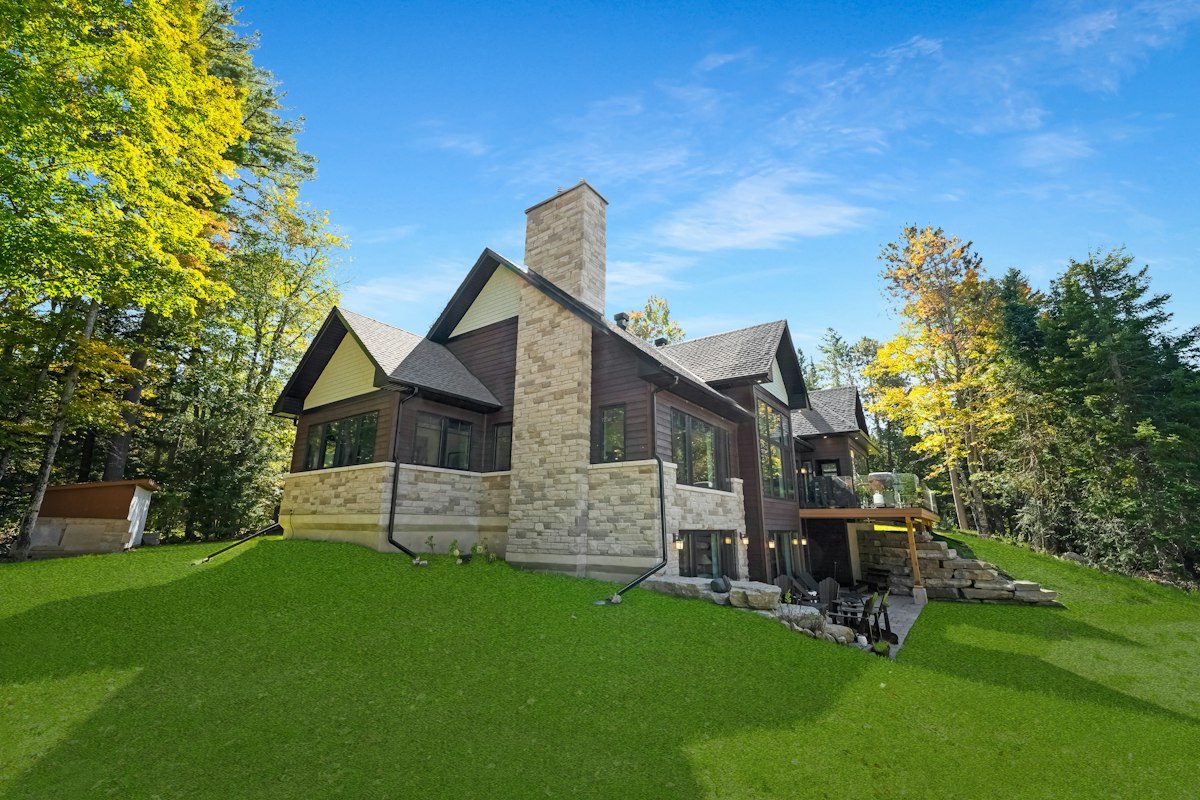
Exploring New Build Homes in Your Area: What You Need to Know
The prospect of owning a home is often filled with excitement, and for many, the journey begins with an immediate thought: "What are my options nearby?" Whether you're a first-time buyer dreaming of a fresh start, looking to upgrade, or simply seeking a modern living space, the homes available in your immediate vicinity are always top of mind.
Among the various choices, new construction homes present a particularly compelling opportunity. They offer a unique blend of contemporary design, energy efficiency, and the chance to personalize your space from the ground up. But what does searching for "new builds near me" really involve, and what should you anticipate?
Related posts
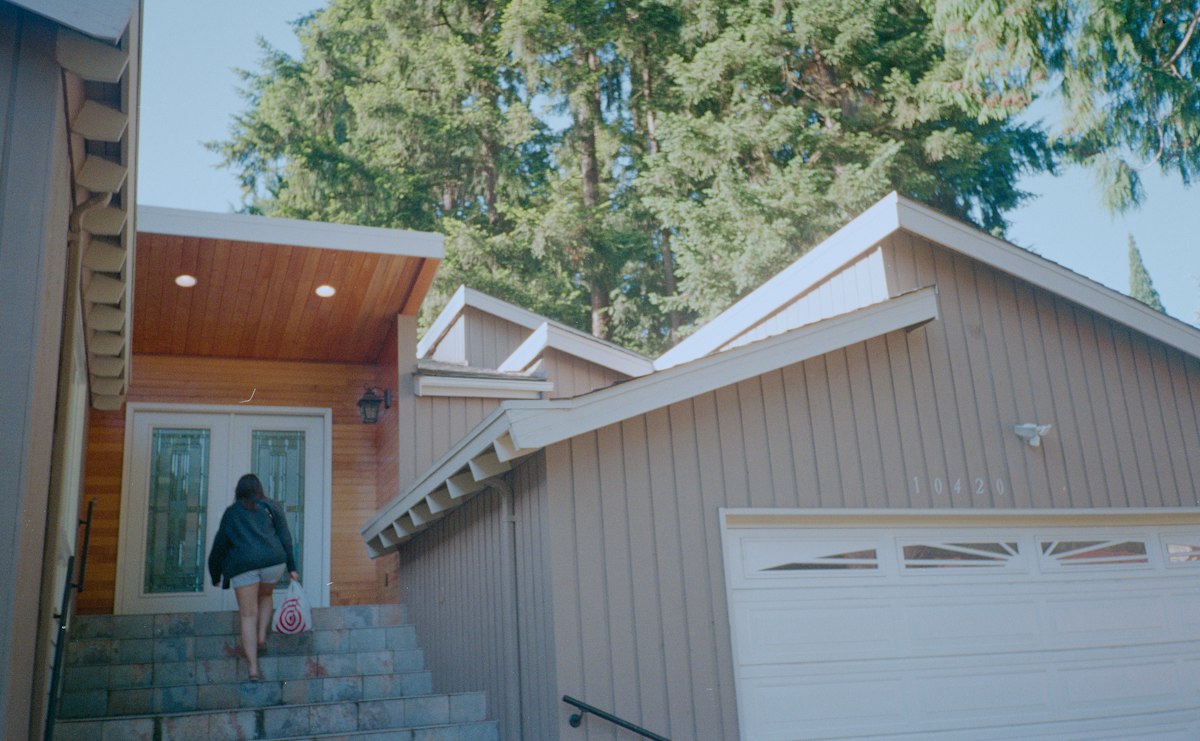
Cash Offers and Quick Closings: How to Have an Investor Buy Your House Fast
Selling a home is often one of the most taxing experiences a person can go through. Between the...
Read more →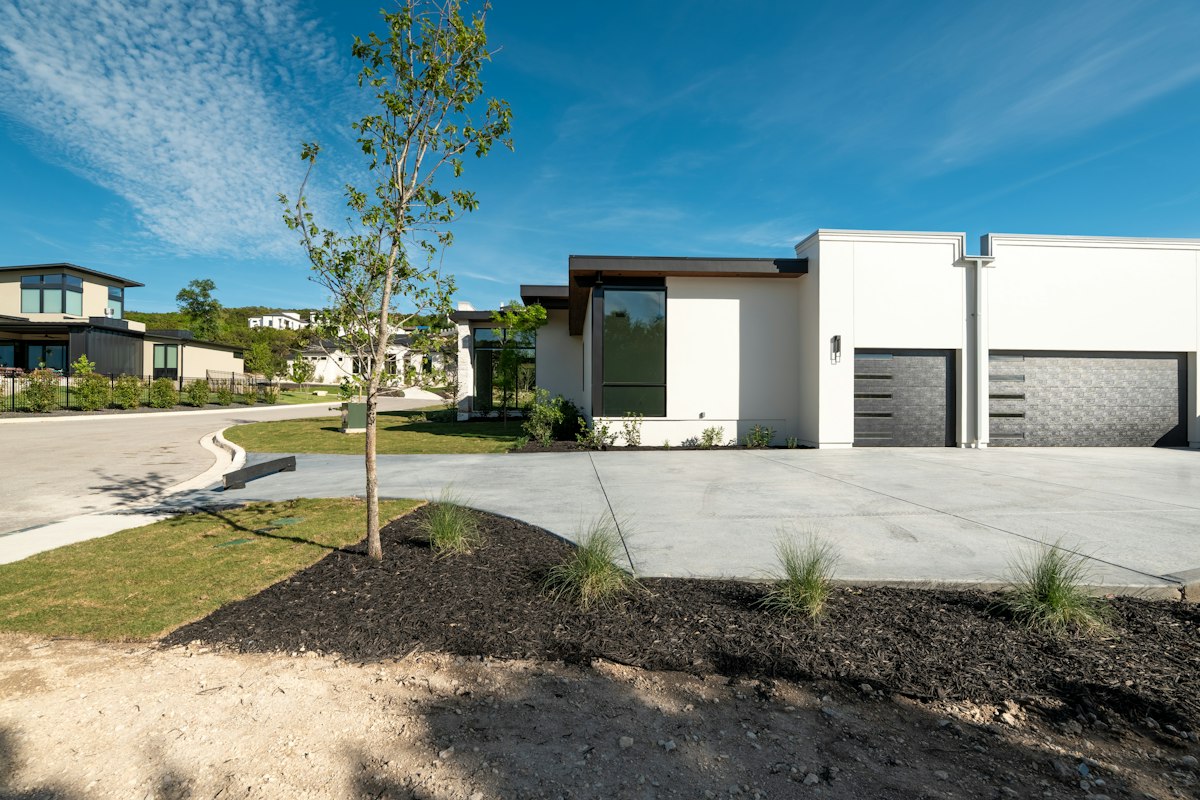
Modern Living: What to Expect When Looking for New Houses for Sale Near Me
The search for new houses for sale near me often begins with a desire for simplicity and a...
Read more →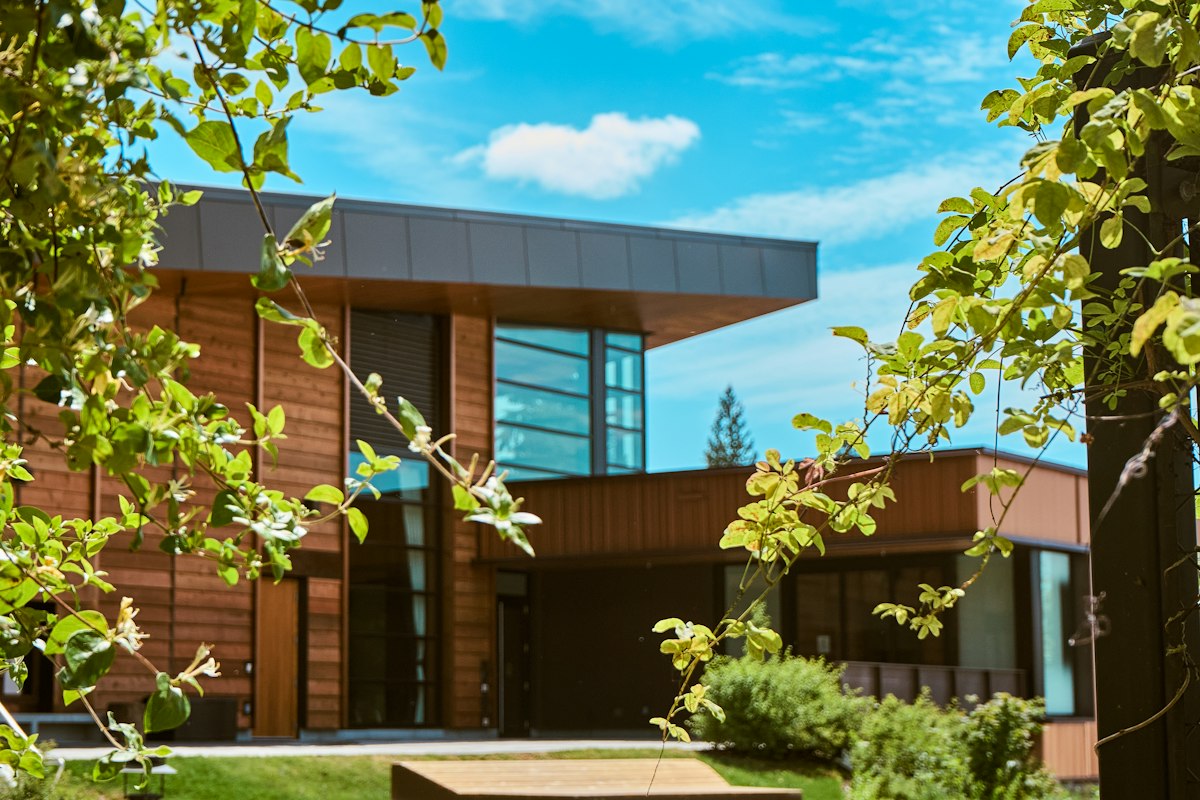
Buying New Build Homes for Sale: Advantages, Costs, and the Modern Property Market
Stepping into a property that has never been lived in before offers a unique sense of possibility. For...
Read more →
Top Companies That Buy Houses for Cash: A Detailed Review of Your Options
Selling a home is traditionally a marathon of repairs, staging, open houses, and the nerve-wracking wait for a...
Read more →This article cuts through the noise to provide a clear, practical look at new build homes. We'll explore the distinct advantages they offer, walk you through the purchasing process, highlight the financial considerations that extend beyond the initial price tag, and discuss how to make an informed decision for your future home.
Considering a brand-new home is a significant step, and understanding the nuances can make all the difference. Let's uncover what makes new builds an attractive option and how you can confidently navigate the path to ownership.
Key Takeaways
- New builds provide modern layouts, enhanced energy efficiency, and often come with builder warranties.
- The purchase process involves specific stages, from selecting a lot to closing, with opportunities for customization.
- Budget carefully for upgrades, closing costs, and ongoing expenses like HOA dues.
- Thoroughly research builders, communities, and consider independent inspections, even for new construction.
Why Consider a New Build Home?
When you're searching for a home, the appeal of something untouched, pristine, and specifically designed for modern living is undeniable. New construction offers a set of advantages that can significantly shape your homeownership experience.
The Appeal of Modern Living
One of the most immediate benefits of a new build is its inherent modernity. These homes are designed to reflect current architectural trends and lifestyle needs, often featuring open-concept layouts, larger primary suites, and dedicated spaces for home offices or media rooms. You won't contend with outdated aesthetics or the need for immediate renovations to bring the property up to contemporary standards.
Beyond aesthetics, new homes incorporate the latest building codes and technologies. This often translates to superior insulation, high-efficiency HVAC systems, and energy-efficient windows and appliances. The result? Potentially lower utility bills and a more comfortable living environment year-round. This focus on efficiency isn't just good for your wallet; it also contributes to a smaller environmental footprint.
Customization and Personalization
Imagine stepping into your new home knowing that many of the choices, from flooring to cabinet finishes, were made by you. This level of personalization is a hallmark of new construction. Depending on the stage of construction when you purchase, you might have the opportunity to select everything from countertop materials and paint colors to appliance packages and even structural modifications.
This ability to tailor the home to your specific tastes and needs means you're not just buying a house; you're creating a home that truly reflects your style and functions perfectly for your family. While there are often limits to customization based on the builder's offerings and construction timeline, the options typically far exceed what's possible with an existing home.
Warranty and Peace of Mind
Buying an existing home, even one in excellent condition, often comes with the unspoken risk of unforeseen repairs. Furnaces, water heaters, roofs, and appliances all have lifespans, and replacing them can be costly. With a new build, you typically receive a builder's warranty, which provides considerable peace of mind.
These warranties usually cover different components for varying lengths of time. A common structure includes a one-year warranty on workmanship and materials, a two-year warranty on systems like plumbing and electrical, and a ten-year structural warranty. This protection means that if issues arise shortly after you move in, the builder is responsible for addressing them, saving you from unexpected expenses and stress.
Understanding the New Build Process
The journey to owning a new build home differs significantly from purchasing a resale property. It involves a structured progression from an empty lot to a finished residence. Knowing these steps helps you anticipate timelines and manage expectations.
From Lot to Living Room: Key Stages
- Lot Selection and Home Design: You'll typically choose a specific lot within a community and then select a floor plan from the builder's available options. This is also when initial design choices are made.
- Foundation and Framing: After permits are secured, the groundwork begins. This includes excavation, pouring the foundation, and then erecting the skeletal structure of the home – the framing.
- Rough-Ins: Once the frame is up, the "rough-ins" for plumbing, electrical, and HVAC systems are installed within the walls and ceilings.
- Insulation and Drywall: Insulation is added for energy efficiency, followed by drywall, which transforms the skeletal structure into distinct rooms.
- Interior and Exterior Finishes: This stage involves installing flooring, cabinetry, countertops, paint, trim, and exterior elements like siding, roofing, and landscaping.
- Final Walkthrough and Closing: Before closing, you'll conduct a walkthrough with the builder to identify any areas needing attention. Once satisfied, the closing process formalizes your ownership.
The Role of the Builder and Sales Team
Your primary points of contact throughout the process will be the builder's sales representative and, later, the construction supervisor. The sales team assists with lot and floor plan selection, design choices, and contract details. They are knowledgeable about the community, amenities, and typical timelines.
The construction supervisor oversees the actual building process, manages subcontractors, and ensures adherence to plans and quality standards. Clear communication with both teams is essential. Don't hesitate to ask questions about timelines, materials, or any concerns you may have. Remember, they are there to facilitate your home's construction.
Navigating Contracts and Deposits
New build contracts can be more complex than those for existing homes. They often include specific clauses regarding construction delays, changes to design selections, and warranty details. It's highly recommended to have an attorney review the contract before you sign, ensuring you fully understand your obligations and the builder's.
Deposits are also a key part of the process. You'll typically provide an earnest money deposit to reserve the lot and begin the process. Additional deposits may be required for specific upgrades or at certain construction milestones. Always clarify the refundability of these deposits under various circumstances.
Costs Beyond the Sticker Price
While the advertised price of a new build is a major factor, it rarely represents the full financial commitment. Being aware of additional costs upfront helps you budget realistically and avoid surprises.
Upgrade Options and Their Impact
Builders often present a "base price" for a home, which includes standard finishes. The exciting part for many buyers is the opportunity to choose upgrades, from premium flooring and countertops to advanced smart home technology. These selections, however, can quickly add tens of thousands of dollars to the total cost.
Prioritize upgrades that are difficult or expensive to change later, such as structural modifications, higher-end cabinetry, or upgraded insulation. Cosmetic upgrades like paint colors or light fixtures can often be done more affordably after you move in. Carefully review the builder's design center options and associated costs to make informed decisions that align with your budget.
Closing Costs and Builder Fees
Like any real estate transaction, new builds come with closing costs. These typically range from 2% to 5% of the home's purchase price and cover items like lender fees, title insurance, appraisal fees, and legal costs. Some builders may offer incentives to cover a portion of closing costs if you use their preferred lender, which can be a significant saving.
Additionally, some builders charge specific fees that might not be present in resale transactions, such as lot premiums (for desirable lots), architectural review fees, or community setup fees. Ensure you receive a clear breakdown of all potential charges early in the process.
Property Taxes and HOA Dues
Once you own the home, ongoing costs become a factor. Property taxes are assessed by local municipalities and can vary significantly based on location and the assessed value of your new home. Researching current tax rates in the community is essential for long-term budgeting.
Many new build communities also have Homeowners Associations (HOAs). These associations manage common areas, amenities (like pools, clubhouses, or parks), and enforce community rules. HOA dues are mandatory monthly or annual fees that cover the maintenance of these shared elements. Understand the HOA's rules, restrictions, and fee structure before committing, as these are recurring expenses.
Important Considerations Before You Buy
A new home is a significant investment. Taking the time to thoroughly research and consider all angles will serve you well in the long run.
Location, Location, Location: Community Matters
While the home itself might be perfect, its surroundings play an equally important role. Research the specific community where the new builds are located. What are the local schools like? What amenities are planned or already available (parks, shopping, dining)? How long will your commute be? Is there future development planned nearby that could impact your property value or views?
Visit the area at different times of day to get a feel for traffic, noise levels, and general atmosphere. Speak to current residents if possible. A beautiful new home in an unsuitable location might not deliver the lifestyle you envision.
Builder Reputation and Track Record
Not all builders are created equal. Before committing, conduct thorough due diligence on the builder. Look for online reviews, testimonials, and ratings from previous buyers. Check with local consumer protection agencies or the Better Business Bureau for any complaints. Visit other communities they've developed to assess the quality of construction and the long-term satisfaction of residents.
A reputable builder will have a history of delivering quality homes, addressing issues promptly, and standing behind their warranties. Don't be shy about asking for references or examples of their work.
Inspections: Even for New Construction
Many buyers assume a new home doesn't need an inspection because it's brand new and built to code. This is a common misconception. While builders perform their own quality checks, an independent home inspection provides an unbiased, third-party assessment of the property. Inspectors can identify issues that might have been overlooked, from minor cosmetic flaws to more significant system deficiencies.
Schedule the inspection before your final walkthrough, giving the builder time to address any discovered items. This extra layer of scrutiny can save you from future headaches and ensure your new home truly meets quality standards.
Financing a New Build
Financing a new build can involve slightly different considerations than an existing home. Some buyers use a traditional mortgage, with the loan closing once construction is complete. Others, especially for custom builds, might use a construction loan that converts into a permanent mortgage upon completion.
Get pre-approved for a mortgage early in the process. This confirms your borrowing capacity and strengthens your position with the builder. Understand the lender's requirements for new construction, including appraisal processes and draw schedules if you're using a construction loan. Builders often have preferred lenders who are familiar with their process, but you are not obligated to use them; compare offers to ensure you get the best terms.
New Build vs. Existing Home: A Comparison
The choice between a new build and an existing home often comes down to priorities, budget, and lifestyle. Each option offers distinct advantages and disadvantages.
Pros and Cons of Each Option
- New Build Pros: Modern design, energy efficiency, customization options, builder warranty, fresh start with no previous owner's issues.
- New Build Cons: Potentially higher cost, longer waiting period for construction, less established landscaping/neighborhood, limited negotiation room, potential for construction delays.
- Existing Home Pros: Established neighborhoods, immediate move-in, often more character and unique features, potentially lower price per square foot, more room for negotiation.
- Existing Home Cons: Potential for immediate repairs or renovations, older systems (HVAC, plumbing), less energy-efficient, design may be dated, competitive bidding in hot markets.
Decision Factors for Your Lifestyle
Consider your personal circumstances. Are you in a rush to move, or can you wait several months for construction to complete? Do you have the budget and inclination for personalization through upgrades, or would you prefer a home where most decisions are already made? Do you value the charm of an older, established neighborhood, or are you drawn to the fresh, uniform aesthetic of a new community?
Think about the long-term. While an existing home might require initial updates, a new build might have higher HOA fees or property taxes in developing areas. Weigh these factors carefully against your financial goals and desired living experience.
FAQ
How long does it typically take to build a new home?
The construction timeline for a new home can vary significantly based on the builder, the size and complexity of the home, weather conditions, and supply chain issues. Generally, once ground is broken, it can take anywhere from 6 to 12 months, and sometimes longer for larger or more custom projects. Builders usually provide an estimated completion window, but it's important to understand that delays can occur.
Can I negotiate the price of a new build?
Negotiating the base price of a new build can be challenging, especially in popular communities or during strong housing markets, as builders often have fixed pricing structures. However, there may be opportunities to negotiate on incentives, such as upgrades, closing cost credits, or contributions towards a rate buydown. It's always worth asking about current promotions or builder-offered perks.
Do I need a real estate agent when buying from a builder?
While you can purchase directly from a builder's sales team, having your own real estate agent is generally recommended. Your agent represents your best interests, can help you compare properties, review contracts, negotiate terms, and identify potential issues that you might overlook. The builder typically pays the agent's commission, so it usually comes at no direct cost to you.
What kind of warranty comes with a new construction home?
New construction homes typically come with a builder's warranty, which is designed to protect you from defects. Common warranty structures include a one-year warranty for workmanship and materials, a two-year warranty for major systems (plumbing, electrical, HVAC), and a ten-year structural warranty for major structural components. Always review the specific warranty details provided by your builder.
Are new builds generally more energy-efficient?
Yes, new builds are almost always more energy-efficient than older homes. They are constructed to meet current building codes, which often include stricter requirements for insulation, windows, and HVAC systems. Many builders also incorporate energy-saving features like LED lighting, smart thermostats, and ENERGY STAR® certified appliances, leading to lower utility bills and a reduced environmental impact.
Conclusion
Exploring new build homes in your area can open up a world of possibilities, offering modern comforts, efficiency, and the satisfaction of a fresh start. While the process has its unique steps and considerations, the potential for a home perfectly tailored to your desires is a powerful draw. By understanding the advantages, the purchasing journey, the full scope of costs, and key decision factors, you can approach this significant investment with clarity and confidence. Take the time to research, ask questions, and envision your life in a brand-new space, and you’ll be well on your way to making a truly informed choice for your next home.