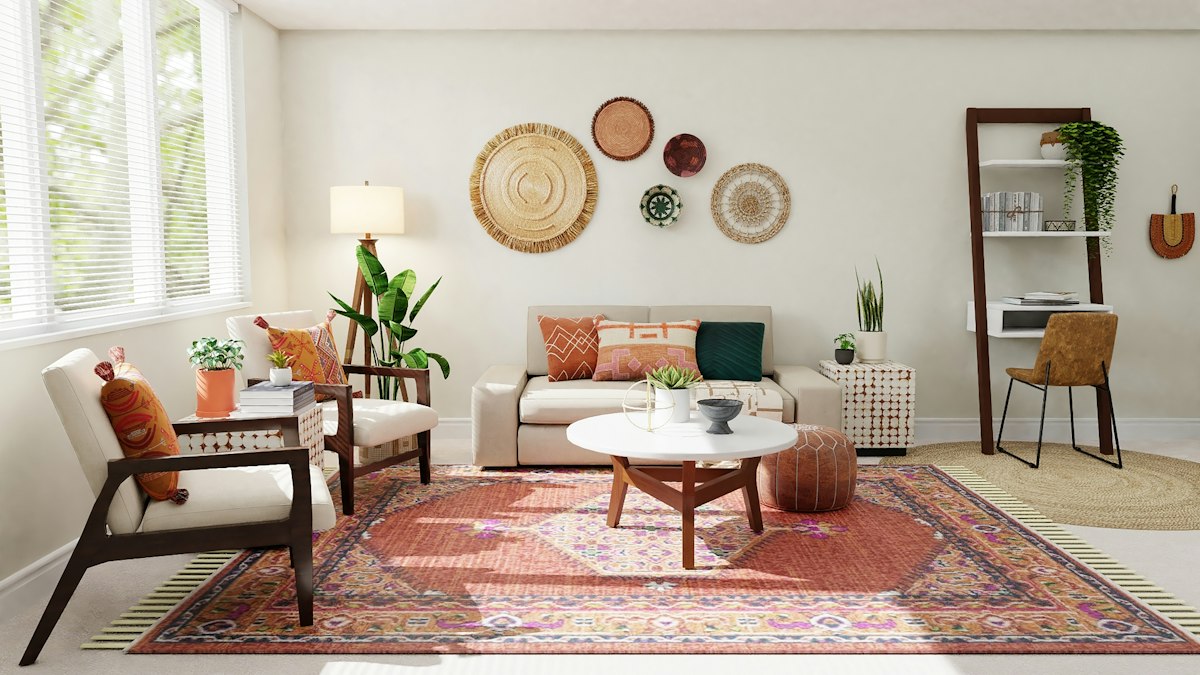
Achieving Stunning Interiors: Smart Strategies for Affordable Design
Many people dream of a beautifully designed home, a space that truly reflects their personality and provides comfort and joy. Yet, a common misconception often holds them back: the belief that exquisite interior design demands an exorbitant budget. The truth is, creating a captivating and functional living space doesn't require emptying your savings account or compromising on style.
Perhaps you've scrolled through design magazines or social media, admiring rooms that seem impossibly chic, only to dismiss the idea for your own home due to perceived costs. Or maybe you're a renter looking to personalize your space without making permanent, costly changes. Whatever your situation, the desire for a well-designed environment is universal, and thankfully, highly achievable on a budget.
Related posts
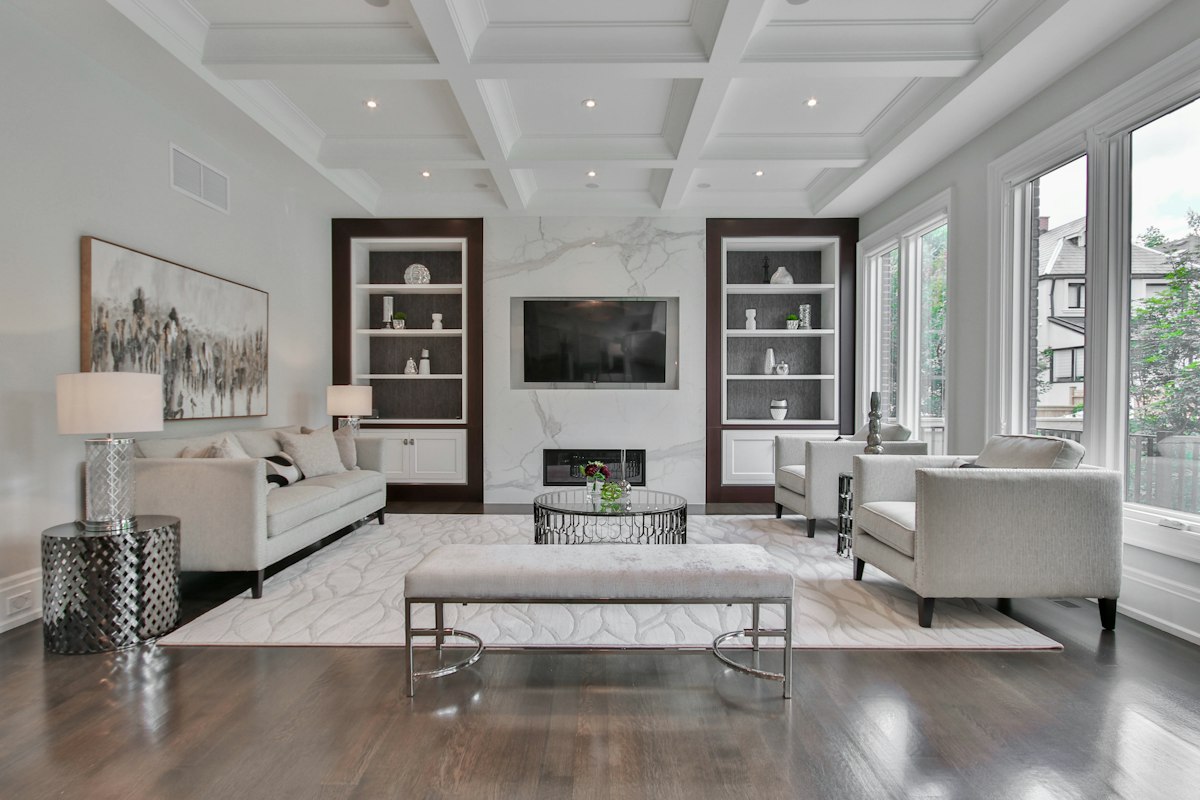
Mastering Luxury Home Interior Design: Principles, Materials, and Practical Execution
True luxury in residential interior design is rarely about flash or conspicuous display. Instead, it manifests in how...
Read more →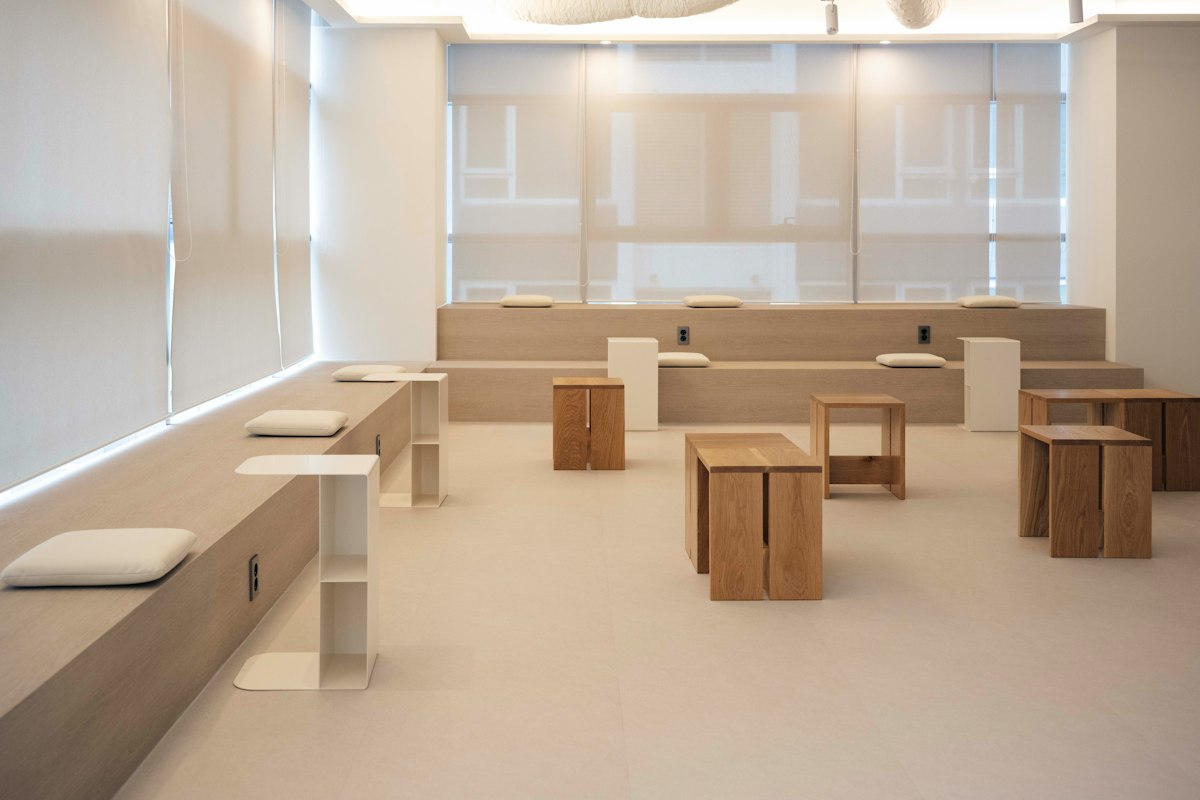
Commercial Office Design: Planning Workspaces That Drive Performance and Retention
Modern commercial office design no longer centers on cramming rows of uniform cubicles under buzzing fluorescent fixtures. Today,...
Read more →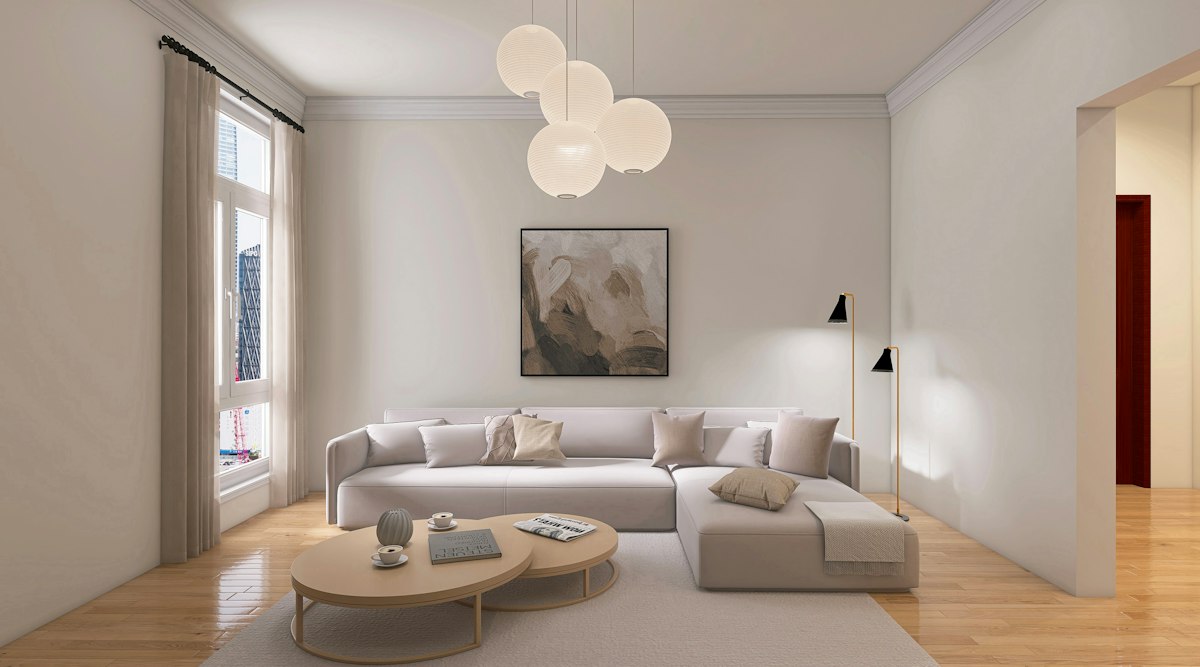
Stylish Living on a Budget: Transforming Your Space with Affordable Interior Design
Walking into a beautifully designed room often feels like stepping into a different reality. Many people assume that...
Read more →
Crafting Productive Spaces: Essential Office Room Interior Design Concepts
The space where you work isn't just a collection of desks and chairs; it's a dynamic environment that...
Read more →This article is for anyone who believes that great design is out of reach without a hefty investment. We'll dismantle that myth, offering practical, actionable strategies and insider tips to help you transform your home with stunning, low-cost interior design solutions. From smart sourcing to creative DIY projects and clever design principles, prepare to unlock your home's potential without breaking the bank.
Key Takeaways
- Strategic Planning is Paramount: Define your style and set a realistic budget before making any purchases.
- Embrace Creative Sourcing: Discover treasures at thrift stores, online marketplaces, and discount retailers.
- Harness the Power of DIY: Painting, upcycling, and simple crafts can dramatically elevate your space for minimal cost.
- Focus on High-Impact Elements: Prioritize color, lighting, and textiles for the biggest visual return on investment.
The Foundation: Smart Planning and Budgeting
Before you even think about buying a single item, the most crucial step in any low-cost interior design project is thorough planning. Without a clear vision and a firm budget, even the best intentions can lead to impulsive purchases and wasted money. Think of it as mapping out your destination before starting the journey.
Start by defining your desired aesthetic. What styles appeal to you? Create a mood board using magazine clippings, Pinterest, or Houzz to collect images of rooms, colors, and furniture that resonate. This visual reference will act as your North Star, preventing you from straying into unrelated styles or making purchases that don't fit your overall vision. Once your style is clear, establish a realistic budget for each room or project. Be honest about what you can comfortably spend and commit to sticking to that figure.
Strategic Sourcing: Where to Find Affordable Treasures
The secret to low-cost design often lies not in what you buy, but where you buy it. Forget expensive showrooms; the real gems are often found in unexpected places, waiting for a little imagination and a new home. This approach requires patience and a keen eye, but the rewards are unique, character-filled pieces that tell a story.
Thrift Stores and Secondhand Shops
Thrift stores, consignment shops, and charity bazaars are goldmines for unique furniture, decorative objects, and even art. You might find a solid wood dresser needing only a fresh coat of paint, a vintage lamp that adds character, or a set of charming teacups for display. The key is to look beyond the surface; consider an item's potential rather than its current state.
Always inspect items carefully for structural integrity, pests, or significant damage. A wobbly chair might be an easy fix, but a broken frame or extensive water damage could be more trouble than it's worth. Focus on pieces with good bones that can be easily cleaned, painted, or reupholstered to fit your design scheme.
Online Marketplaces
Platforms like Facebook Marketplace, Craigslist, and local buy/sell/trade groups offer an incredible array of secondhand items directly from other individuals. This can be fantastic for larger furniture pieces that might be harder to transport from a physical store, or for finding specific items you've been searching for. Often, people are simply looking to clear out their homes, meaning you can snag excellent deals.
When using online marketplaces, prioritize safety. Always meet in a public place for smaller items, or bring a friend if you're picking up furniture from someone's home. Be prepared to negotiate prices, but also be respectful of sellers. Clear communication and prompt pickup are always appreciated.
Discount Retailers and Outlet Stores
Stores like HomeGoods, TJ Maxx, Marshalls, IKEA, Target, and Walmart are fantastic for affordable new decor, textiles, and smaller furniture items. They offer a constantly rotating inventory of stylish pieces at significantly lower prices than specialty boutiques. You can find trendy cushions, throws, rugs, lamps, and decorative accents that instantly elevate a space.
The trick with these retailers is to shop strategically. Go in with a list of what you need to avoid impulse buys. Look for items that complement your existing decor and mood board. While they offer great value, remember that quality can vary, so inspect items before purchasing, especially for furniture.
DIY and Upcycling
Transforming old items into something new is one of the most rewarding and cost-effective aspects of low-cost interior design. An old wooden crate can become a stylish side table, a tired dresser can be given a new lease on life with paint and new hardware, or an antique ladder can serve as a unique bookshelf or towel rack. The possibilities are truly endless.
Start with simple projects like painting furniture, adding peel-and-stick wallpaper to a tabletop, or creating custom artwork. There are countless online tutorials and resources for every skill level. Not only does DIY save money, but it also infuses your home with a personal touch that mass-produced items can't replicate.
Maximizing Impact with Minimal Spend: Design Principles
Beyond where you shop, understanding fundamental design principles allows you to make the most of every dollar. It's about clever choices and strategic placement, rather than sheer expense. These elements are often the least costly to implement but yield the most dramatic transformations.
Color Power
Paint is arguably the most impactful and affordable way to transform a room. A fresh coat of paint can instantly brighten, enlarge, or cozy up a space. Don't underestimate the power of color psychology; cool tones can create a serene atmosphere, while warm tones inject energy. Consider an accent wall for a pop of color without committing to painting the entire room.
Beyond walls, use color through accessories. Inexpensive throw pillows, blankets, or even a vibrant piece of framed fabric can introduce color and tie a scheme together. Always test paint swatches on your wall before committing, as colors can look different in varying light conditions.
Lighting as a Game Changer
Proper lighting can completely alter the mood and functionality of a room, and it doesn't have to be expensive. Instead of relying on a single overhead fixture, incorporate multiple light sources at different levels: a floor lamp, a table lamp, and perhaps some string lights or a task lamp. This layering creates depth and warmth.
Look for affordable lampshades at discount stores or consider painting an existing lamp base. Maximizing natural light is also free: keep windows unobstructed, use sheer curtains, and strategically place mirrors to reflect light and make a room feel larger and brighter.
Textiles and Soft Furnishings
Textiles add warmth, texture, and personality to any space. Think cushions, throws, rugs, and curtains. These items are relatively inexpensive but have a huge visual impact. Swapping out cushion covers or adding a new throw blanket can instantly update a sofa or bed.
Rugs define zones, add comfort, and introduce color or pattern. Look for sales at large home stores or consider layering smaller, less expensive rugs for a bohemian feel. Curtains not only offer privacy but also frame windows and add softness; consider ready-made options from discount retailers or even DIY no-sew curtains from fabric you love.
Decor and Accessories
The art of accessorizing on a budget involves thoughtful curation rather than accumulation. Focus on meaningful items that bring you joy or reflect your interests. Grouping similar items, like a collection of vases or framed photos, can create a cohesive display. Plants are a fantastic low-cost way to add life, color, and freshness to any room.
For art, consider printing high-resolution images from online sources, framing old postcards, or creating your own abstract pieces. Inexpensive frames can be spray-painted to look more high-end. Avoid clutter; a few well-chosen accessories have more impact than many random items.
Arrangement and Layout
This is perhaps the most impactful and entirely free design principle. How you arrange your furniture dictates flow, functionality, and the perceived size of a room. Experiment with different layouts. Pull furniture away from walls to create a more intimate conversation area, or angle a sofa to open up a pathway.
Consider the room's purpose and traffic patterns. Can you easily move between areas? Does the layout support the activities you want to perform there? Sometimes, simply rearranging existing furniture can make a room feel completely new, without spending a single penny.
DIY Projects That Deliver Big Value
Rolling up your sleeves and tackling some projects yourself is not just about saving money; it's about creating something truly unique and tailored to your taste. Many DIY projects are simpler than they seem and offer immense satisfaction.
Painting like a Pro
Painting walls is a DIY staple. Invest in good quality paint brushes, rollers, and painter's tape for clean lines. Prepare your surfaces by cleaning and patching any holes for a smooth finish. Don't rush; apply thin, even coats, allowing proper drying time between each. A well-painted room looks professional, even if done by an amateur.
Simple Upholstery and Fabric Updates
You don't need to be a master seamstress to update textiles. Slipcovers are a fantastic way to refresh a tired sofa or chair. Look for ready-made options or consider draping a large, attractive throw blanket creatively. For dining chairs, re-covering seats with new fabric is a straightforward project requiring only a staple gun and new material.
Personalized Art and Gallery Walls
Create a gallery wall using a mix of family photos, inexpensive art prints, and even your own abstract paintings. Print photos at a local pharmacy or online for pennies. For a cohesive look, use frames of varying sizes but a consistent color (e.g., all black, all white, or all wood). Arrange them on the floor first to plan your layout before hanging.
Shelving and Storage Solutions
Clever storage is essential for a clutter-free, well-designed space. Floating shelves are easy to install and provide display space without taking up floor area. Repurpose old crates or wooden boxes into stylish storage. IKEA hacks, where you modify affordable IKEA furniture to suit your needs, are also incredibly popular and effective for custom-looking storage.
Knowing When to Splurge (and When to Save)
Even on a tight budget, there are certain items where a small investment can go a long way in terms of longevity, comfort, and overall impact. The trick is to identify these key pieces and save on everything else.
Invest in Key Pieces
Consider investing a bit more in items that get heavy use and are difficult or expensive to replace. A comfortable, well-made sofa, a quality mattress, or a sturdy dining table are often worth the extra spend. These foundational pieces contribute significantly to your comfort and the overall feel of your home, and they are built to last.
Save on Trendy Items
Trendy decorative items, accent chairs, or accessories are perfect candidates for budget-friendly sourcing. Styles come and go, so spending a lot on items that might be out of fashion in a few years isn't the wisest use of funds. This is where your thrift store finds, discount retailer purchases, and DIY projects truly shine.
Prioritize Functionality
Never sacrifice functionality for aesthetics, especially when on a budget. A beautiful but uncomfortable chair or a stylish but impractical storage solution will ultimately lead to frustration. Ensure your choices meet your practical needs first, then find the most aesthetically pleasing and affordable option within those parameters.
FAQ
Can I really achieve a high-end look on a very tight budget?
Absolutely. The secret to a high-end look on a budget often lies in smart styling, thoughtful curation, and attention to detail rather than expensive items. Focus on creating cohesion through a consistent color palette, ensuring good lighting, and keeping clutter at bay. Clean lines, quality textures, and a few impactful statement pieces (even if sourced affordably) can make a huge difference.
What's the single most impactful low-cost change I can make?
Without a doubt, a fresh coat of paint. Changing the wall color can instantly transform the mood, perceived size, and brightness of a room for a relatively small investment in materials. It's a foundational change that provides a clean slate and sets the tone for all other design elements.
Should I hire a designer for a low-cost project?
While traditional full-service interior design can be costly, many designers now offer consultation-only services or e-design packages that are much more affordable. For a low-cost project, a one-time consultation could provide invaluable guidance, helping you define your style, optimize your layout, and make smart purchasing decisions, ultimately saving you money in the long run by avoiding costly mistakes.
How do I avoid making my home look "cheap" when using budget items?
The key is to focus on quality over quantity and to be intentional with your choices. Avoid flimsy materials where possible. Elevate budget finds with DIY touches like new hardware or paint. Ensure your space is clean, organized, and free of clutter. A cohesive color scheme and well-arranged furniture will always look more polished than a room filled with random, albeit expensive, items.
Where can I find design inspiration without spending money?
Pinterest, Instagram, and design blogs are fantastic free resources for inspiration. Create digital mood boards to save ideas. Library books and magazines also offer a wealth of visual content. Pay attention to natural elements, architectural details in public spaces, and even storefront displays for creative ideas you can adapt for your home.
Conclusion
Transforming your living space into a beautiful, functional, and deeply personal environment doesn't have to be an exclusive luxury. With a clear vision, smart sourcing, and a willingness to embrace creativity, low-cost interior design is not just possible, but incredibly rewarding. Your home is a canvas, and you have all the tools to paint a masterpiece, one budget-friendly brushstroke at a time. Start small, be patient, and enjoy the process of creating a space that truly feels like you, without the financial strain.