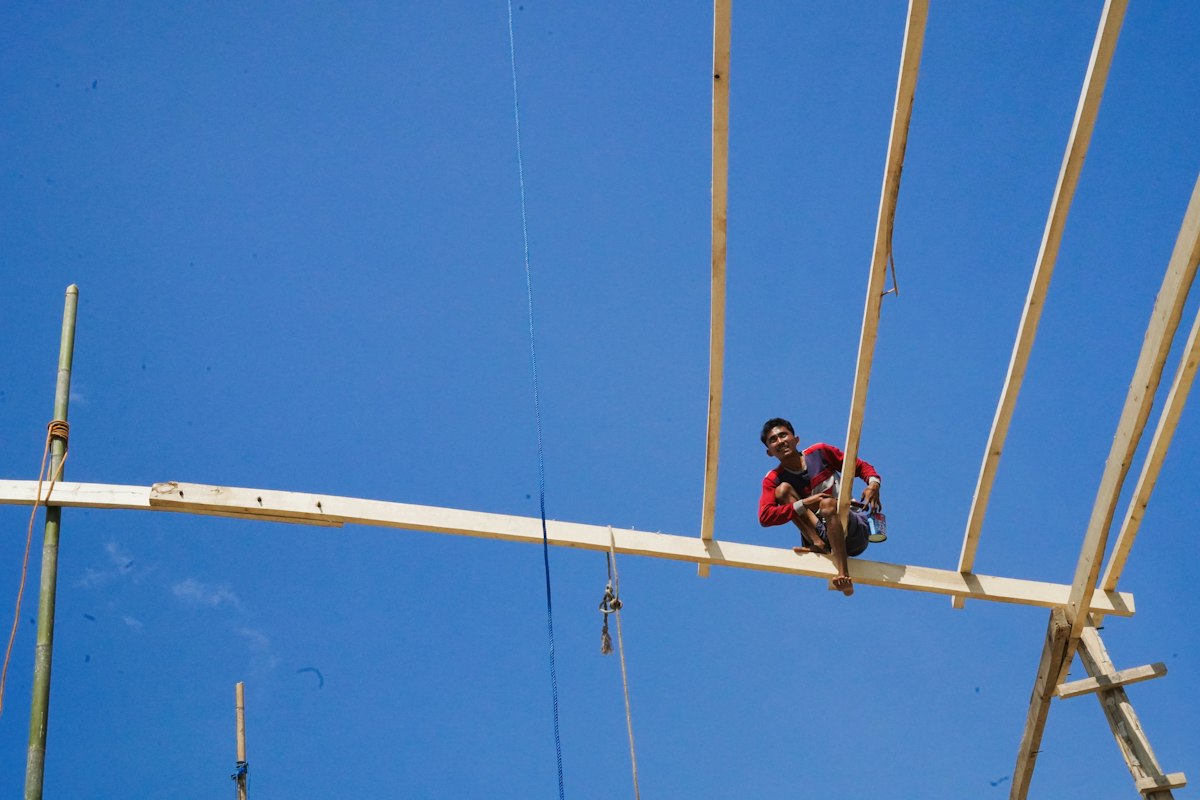
Partnering with Structural Steel Contractors: A Comprehensive Look
When you're building something substantial—a new high-rise, a sprawling industrial complex, a critical bridge, or even a specialized architectural marvel—the integrity of its skeleton is paramount. That skeleton, in most modern construction, is structural steel. It's robust, versatile, and the backbone of countless projects, but its successful implementation hinges entirely on the expertise of the teams fabricating and erecting it.
Choosing the right structural steel contractor isn't merely a line item on a budget; it's a strategic decision that influences timelines, safety, cost-efficiency, and the ultimate longevity of your investment. This isn't a task to be taken lightly, as the complexities involved demand a highly specialized skill set, rigorous quality control, and an unwavering commitment to safety.
Related posts
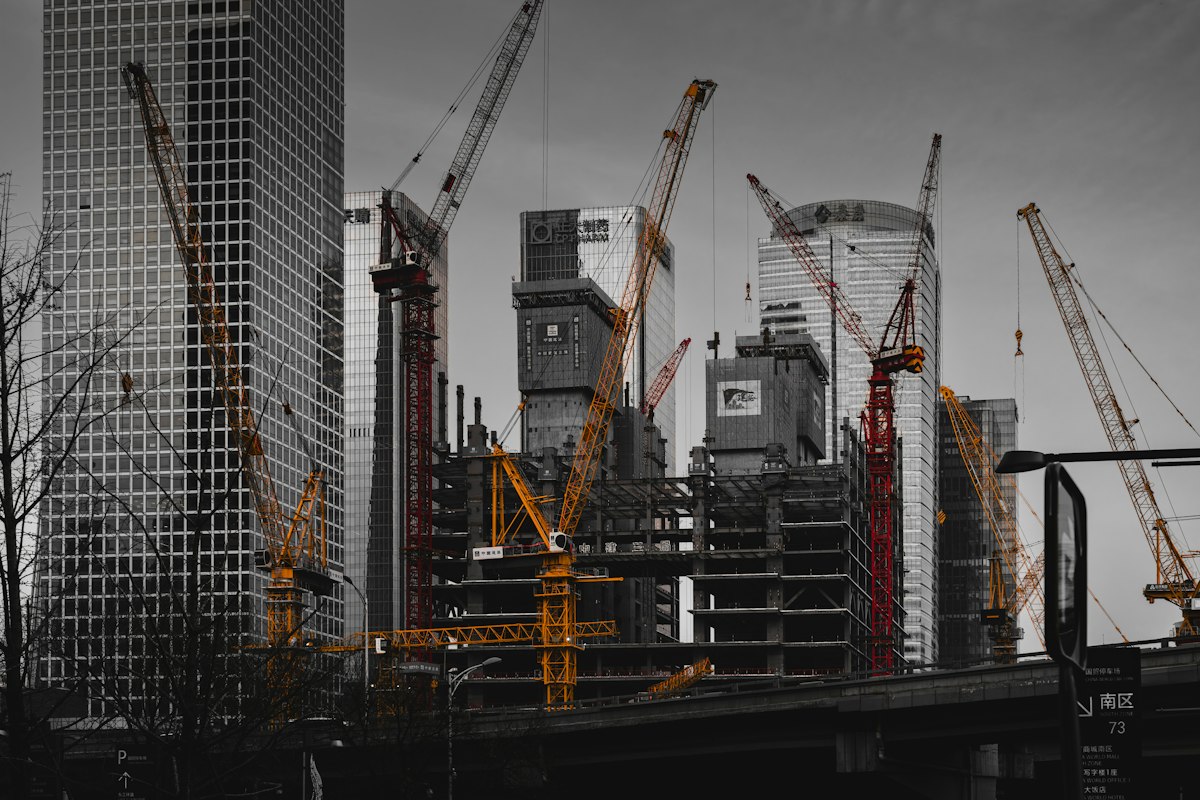
Powering Progress: A Deep Dive into Industrial Construction Companies
When your organization plans a new manufacturing plant, a critical energy facility, or a complex processing unit, the...
Read more →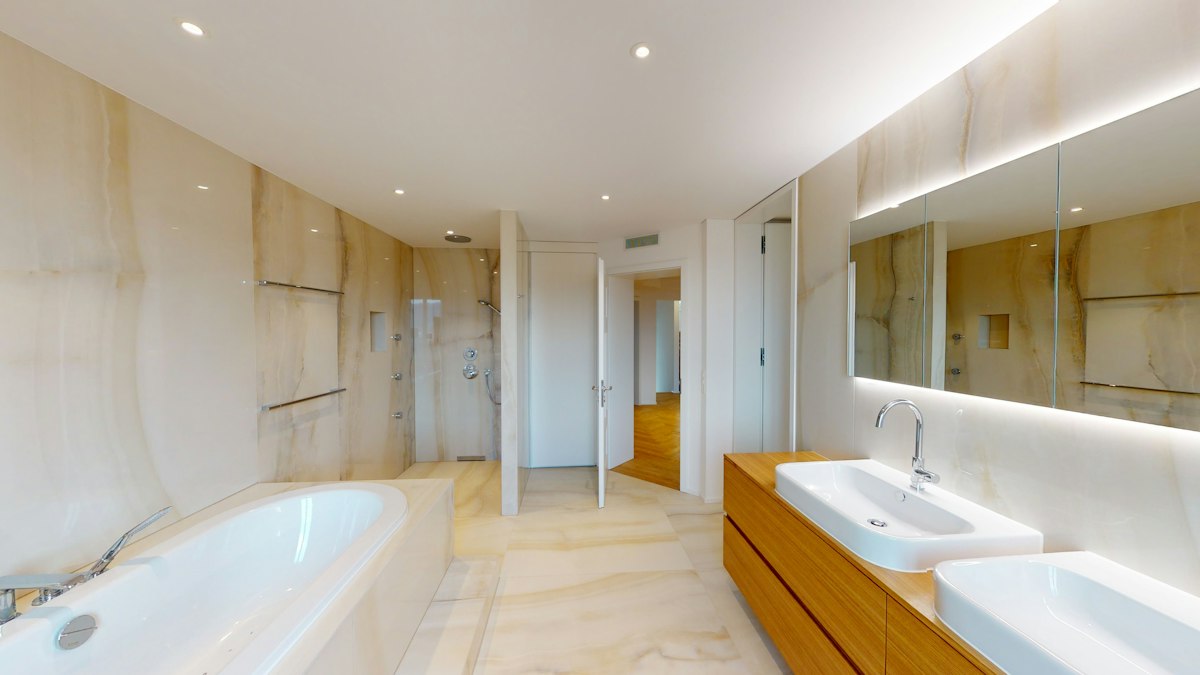
Crafting Your Perfect New Bathroom: Ideas and Practical Steps
Embarking on a new bathroom design project is more than just picking out pretty tiles; it's about envisioning...
Read more →Finding the Right Local Home Contractor for Your Project
Embarking on a home improvement project, whether it's a minor refresh or a major renovation, is an exciting...
Read more →
Finding Reliable Small Construction Companies Near You for Home Renovations and Repairs
Finding the right contractor for a home project often feels like a full-time job. You start by searching...
Read more →For project owners, general contractors, and developers, navigating the landscape of structural steel contractors can feel daunting. You need a partner who understands your vision, can execute it flawlessly, and can anticipate challenges before they become problems. Someone who brings not just muscle, but also meticulous planning and innovative solutions to the table.
This article will demystify the process of working with structural steel contractors. We'll explore their essential roles, the critical factors to consider during selection, and how to ensure your project benefits from the best possible partnership, guaranteeing a solid foundation for your success.
Key Takeaways
- Experience is Non-Negotiable: Prioritize contractors with a proven track record in projects similar to yours, demonstrating deep understanding of structural steel complexities.
- Safety First, Always: Thoroughly vet their safety records, certifications, and internal safety culture to protect your project and personnel.
- Assess Full Capabilities: Look beyond just erection; evaluate their fabrication quality, engineering support, and project management prowess.
- Communication is Key: Choose a partner known for clear, proactive communication and transparent project updates to avoid costly misunderstandings.
Understanding the Scope of Structural Steel Work
Structural steel contractors are highly specialized entities in the construction industry. They are the artisans and engineers who transform raw steel into the skeletal framework of our built environment. Their work is intricate, demanding precision at every stage, from initial design collaboration to the final bolt being tightened high above the ground.
What Structural Steel Contractors Do
At its core, the work of a structural steel contractor encompasses several distinct but interconnected phases. First is fabrication, which involves taking raw steel beams, columns, and plates and processing them according to detailed engineering drawings. This includes cutting, drilling, bending, and welding components to exact specifications. Many contractors operate their own fabrication shops, allowing for tighter quality control and scheduling.
Following fabrication, the focus shifts to erection. This is the on-site assembly and installation of the fabricated steel components. Skilled ironworkers use heavy machinery, such as cranes and specialized rigging, to lift and connect the steel pieces, gradually building the structure. This phase requires meticulous planning, coordination, and an absolute commitment to safety protocols.
Beyond these primary functions, many reputable contractors offer design-assist or value engineering services. They collaborate with architects and structural engineers early in the design phase, offering insights into constructability, material optimization, and potential cost savings. Their practical experience can often identify efficiencies that might not be apparent on paper alone.
Finally, effective project management ties everything together. This involves coordinating with other trades, managing schedules, overseeing logistics, ensuring quality control, and maintaining clear communication with the client throughout the project lifecycle.
Types of Projects They Handle
The versatility of structural steel means these contractors are involved in a vast array of construction endeavors. They are the backbone of towering commercial buildings like office high-rises, shopping centers, and mixed-use developments. Their expertise is critical for creating the vast, open spans required in modern architecture.
Industrial facilities are another major area. Think manufacturing plants, warehouses, distribution centers, and power generation facilities. These projects often require heavy-duty steel structures capable of supporting significant loads and complex machinery. They also frequently involve specialized design considerations for functionality and future expansion.
Beyond buildings, structural steel contractors are essential for infrastructure projects. Bridges, overpasses, and pedestrian walkways rely heavily on steel for strength and durability. They also contribute to public works such as stadiums, arenas, convention centers, and other large-span structures where clear sightlines and expansive interiors are paramount.
Why Experience and Specialization Matter
In structural steel construction, there's a significant difference between theoretical knowledge and practical application. This is where experience truly shines, translating into tangible benefits for your project.
The Value of Proven Expertise
Experienced structural steel contractors have encountered a wide range of challenges and learned how to overcome them efficiently. They understand the nuances of various steel grades, welding techniques, and erection methodologies. This depth of knowledge leads to better problem-solving on site, fewer delays, and more accurate budgeting.
Furthermore, seasoned teams are adept at anticipating potential issues before they arise. They can identify design conflicts, logistical hurdles, or constructability concerns during the planning stages, saving significant time and money down the line. Their proficiency directly impacts the speed and quality of execution, ensuring the steel frame is erected safely and precisely the first time.
Specialization vs. Generalists
While some general contractors might offer steel erection as part of a broader service, a dedicated structural steel contractor brings a level of specialization that is often invaluable. These firms focus solely on steel, investing heavily in specialized equipment, highly trained personnel, and advanced fabrication technologies.
For complex projects, those with tight tolerances, unique architectural designs, or demanding schedules, opting for a specialist is almost always the smarter choice. They possess the specific certifications, quality control processes, and deep industry connections to handle intricate detailing, advanced welding procedures, and challenging erection sequences with confidence and competence. A generalist, while potentially offering a lower initial bid, might lack the specific expertise to navigate unforeseen complexities, leading to costly delays and rework.
Key Factors in Vetting a Structural Steel Contractor
Selecting the right contractor involves a rigorous vetting process. It's about looking beyond the bid price and delving into the operational capabilities and track record of potential partners.
Safety Records and Compliance
Safety is not negotiable. Structural steel work is inherently hazardous, involving heavy loads, working at heights, and complex machinery. A contractor's commitment to safety should be your absolute top priority. Request their OSHA records, experience modification rate (EMR), and details of their internal safety programs and training protocols.
Ensure they carry comprehensive insurance coverage, including general liability, workers' compensation, and professional liability if they offer design-assist. Verify their bonding capacity, which provides financial assurance for project completion. A strong safety culture, evidenced by low incident rates and proactive training, indicates a responsible and reliable partner.
Fabrication Capabilities and Quality Control
The quality of fabrication directly impacts the ease and accuracy of erection. Inquire whether the contractor has their own in-house fabrication facility or if they outsource this critical step. In-house facilities often allow for better control over scheduling, quality, and problem-solving.
Ask about their technology: do they utilize CNC (Computer Numerical Control) machinery for precise cutting and drilling? What are their welding qualifications (e.g., AWS certified welders)? What quality control measures are in place throughout the fabrication process, from material receipt to final inspection? Look for certifications like AISC (American Institute of Steel Construction), which signify adherence to stringent industry standards for quality and safety in steel fabrication and erection.
Erection Expertise and Equipment
Erection is where the fabricated steel comes to life on your site. Assess the contractor's experience with projects of similar scale and complexity. Do they employ their own skilled ironworkers, or do they rely heavily on subcontractors? Direct employment often translates to better control over labor quality and safety.
Evaluate their equipment fleet. Do they have the appropriate cranes, rigging, and specialized tools for your project's demands? How do they plan for site logistics, crane placement, and material delivery to ensure efficient and safe erection? A well-equipped and experienced erection team is crucial for maintaining your project schedule and avoiding costly field modifications.
Project Management and Communication
Even the most skilled teams can falter without strong project management and clear communication. Inquire about their project management methodology. Will you have a dedicated project manager? How often will they provide updates? What are their protocols for change orders, RFIs (Requests for Information), and resolving unforeseen issues?
Effective communication is a two-way street. A good contractor will be proactive in sharing information, transparent about challenges, and responsive to your inquiries. Look for a partner who demonstrates a collaborative approach and understands the importance of integrating seamlessly with other trades on your job site.
Financial Stability and Bonding Capacity
A contractor's financial health is directly linked to their ability to complete your project without interruption. Request financial statements or a letter of credit from their bank. More importantly, verify their bonding capacity with a reputable surety company. Performance bonds guarantee the contractor will fulfill the terms of the contract, while payment bonds ensure subcontractors and suppliers are paid.
This financial vetting protects you from potential liens and ensures that, even in unforeseen circumstances, your project has a safety net. A financially stable contractor is a reliable partner, capable of absorbing unexpected costs and maintaining project momentum.
The Contractor Selection Process: A Practical Approach
Finding the right structural steel contractor requires a methodical approach, moving from initial requirements definition to final contract negotiation.
Defining Your Project Needs
Before you even begin soliciting bids, clearly define your project's scope. This includes comprehensive architectural and structural drawings, specifications for steel grades and finishes, a realistic timeline, and a preliminary budget. The more detailed your requirements are, the more accurate and comparable the bids you receive will be. Understanding your own priorities—whether it's speed, cost, or a unique aesthetic—will also guide your selection.
Request for Proposal (RFP) and Bidding
Issue a comprehensive Request for Proposal (RFP) to a shortlist of qualified structural steel contractors. Your RFP should include all project documentation, detailed scope of work, safety requirements, insurance and bonding mandates, and your desired project schedule. Ask for detailed breakdowns of their proposed costs, including fabrication, erection, and any design-assist services.
When evaluating bids, resist the temptation to simply pick the lowest price. A significantly lower bid might indicate a misunderstanding of the scope, a lack of necessary experience, or a plan to cut corners. Scrutinize each proposal for completeness, clarity, and adherence to your specifications. Look for value engineering suggestions that can genuinely save costs without compromising quality or safety.
Due Diligence and Site Visits
Once you've narrowed down your choices, perform thorough due diligence. Contact references from past clients, particularly for projects similar to yours. Ask about their experience with the contractor's communication, adherence to schedule, quality of work, and ability to handle challenges.
Consider visiting their fabrication shop if possible. This provides invaluable insight into their operational efficiency, equipment, safety practices, and quality control processes. Seeing their facility firsthand can often reveal more about their capabilities and culture than any brochure.
Contract Negotiation and Agreement
Before signing, ensure the contract clearly outlines all aspects of the project. This includes a detailed scope of work, payment schedules, change order procedures, warranty information, and dispute resolution mechanisms. Confirm all insurance and bonding requirements are met and documented.
Pay close attention to clauses related to delays, unforeseen conditions, and material price escalations. A well-drafted contract protects both parties and sets clear expectations for the duration of the project. Don't hesitate to involve legal counsel to review the agreement, especially for large or complex undertakings.
Costs and Value: Understanding the Investment
The financial aspect of engaging a structural steel contractor is more complex than a single price tag. It's an investment, and understanding what influences that investment is crucial.
Factors Influencing Pricing
Several variables impact the cost of structural steel work. The complexity of the design plays a major role; intricate connections, curved elements, or highly customized components require more labor and specialized fabrication techniques. The total tonnage of steel is a primary driver, but it's not simply a linear cost per ton; smaller, more numerous pieces can sometimes be more expensive per ton due to increased fabrication and erection labor.
Location affects pricing due to differing labor rates, material transportation costs, and local regulations. Market conditions, particularly fluctuations in raw steel prices, can also significantly impact bids. Finally, the contractor's overhead, expertise, and safety record will all be factored into their pricing; premium services often come with a premium price, but frequently offer superior value.
Beyond the Lowest Bid
While budget is always a consideration, selecting a structural steel contractor based solely on the lowest bid can be a costly mistake. A cheaper initial price might hide deficiencies in quality control, an insufficient safety program, or a lack of experience that could lead to significant problems down the road.
Consider the long-term value. A contractor who provides strong engineering support, efficient fabrication, and a flawless erection process can save you money through faster project completion, fewer change orders, and avoiding expensive rework. The cost of project delays, safety incidents, or structural failures far outweighs any initial savings from a cut-rate bid. Focus on securing a partner who offers the best combination of experience, quality, safety, and a fair price.
Frequently Asked Questions
What certifications should a structural steel contractor hold?
The most recognized certification in North America is from the American Institute of Steel Construction (AISC). AISC certification demonstrates a contractor's commitment to quality and safety in steel fabrication and/or erection. Additionally, individual welders should hold certifications from the American Welding Society (AWS), ensuring their skills meet industry standards for various welding processes.
How far in advance should I engage a structural steel contractor?
For optimal project outcomes, it's highly beneficial to engage a structural steel contractor early in the design phase, especially if you plan to utilize their design-assist services. This allows them to provide valuable constructability input and identify potential efficiencies. For larger projects, allowing 3-6 months before planned steel erection is advisable to accommodate detailing, fabrication, and scheduling.
What's the difference between steel fabrication and erection?
Fabrication is the process of taking raw steel materials and transforming them into finished structural components (beams, columns, trusses) in a controlled shop environment. This involves cutting, drilling, shaping, and welding according to engineering drawings. Erection, on the other hand, is the on-site assembly and installation of these fabricated components, using cranes and skilled labor to build the steel framework of the structure.
How do structural steel contractors ensure project safety?
Reputable structural steel contractors implement comprehensive safety programs that include regular safety training, adherence to OSHA regulations, site-specific safety plans, daily safety briefings, proper equipment maintenance, and rigorous supervision. They foster a strong safety culture where every team member is responsible for identifying and mitigating hazards.
Can a structural steel contractor help with design optimization?
Yes, many experienced structural steel contractors offer design-assist or value engineering services. They collaborate with architects and structural engineers during the design phase to suggest material optimizations, connection efficiencies, and alternative detailing methods that can reduce costs, improve constructability, and accelerate the project schedule without compromising structural integrity or aesthetic intent.
Conclusion
The success of any project reliant on structural steel hinges profoundly on the caliber of the contractor you choose. It's a decision that extends far beyond a simple quote, touching every aspect from safety and schedule to the enduring quality of the finished structure. By prioritizing experience, a robust safety culture, proven capabilities in both fabrication and erection, and transparent communication, you lay the groundwork for a successful partnership.
Investing the time and effort into a thorough vetting process will pay dividends, ensuring your structural steel backbone is not just strong, but also delivered efficiently and safely. Choose wisely, and build with confidence.