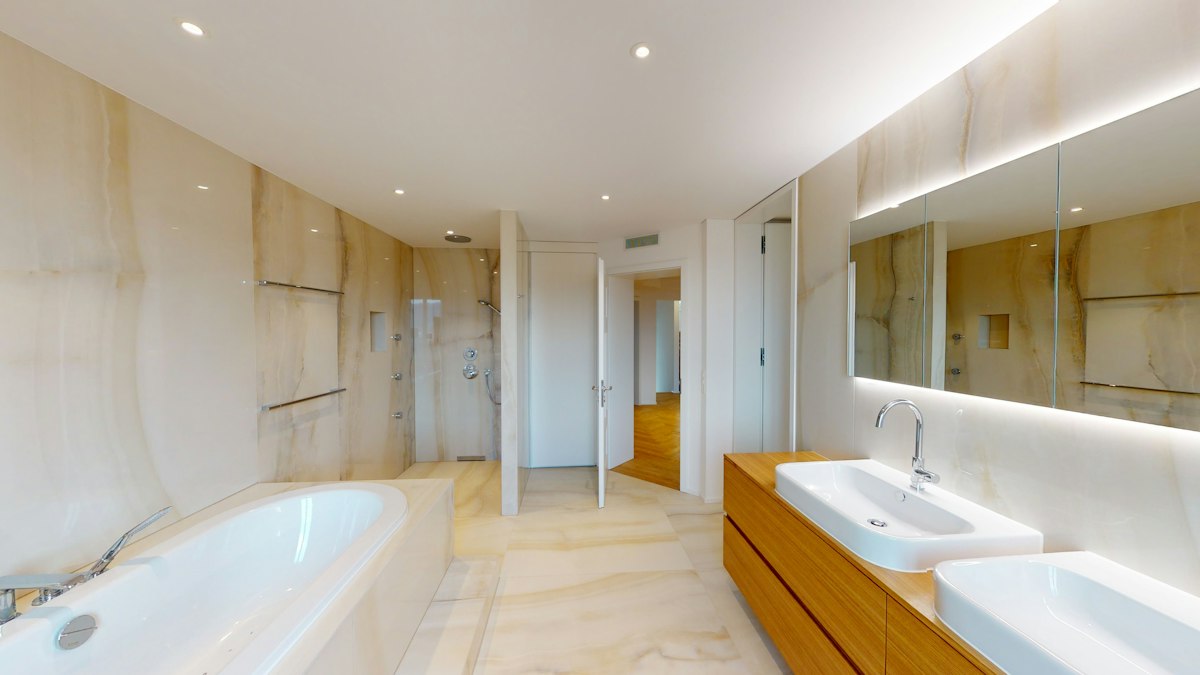
Crafting Your Perfect New Bathroom: Ideas and Practical Steps
Embarking on a new bathroom design project is more than just picking out pretty tiles; it's about envisioning a space that truly serves your daily needs, reflects your personal style, and perhaps even offers a sanctuary from the everyday hustle. Whether you're refreshing an outdated look or starting from scratch in a new home, the decisions you make now will shape your experience for years to come.
Many homeowners find themselves overwhelmed by the sheer volume of choices available, from contemporary fixtures to classic finishes, and the practical considerations of layout and budget. It’s easy to get lost in the Pinterest boards and showroom aisles without a clear roadmap.
Related posts
Powering Progress: A Deep Dive into Industrial Construction Companies
When your organization plans a new manufacturing plant, a critical energy facility, or a complex processing unit, the...
Read more →Finding the Right Local Home Contractor for Your Project
Embarking on a home improvement project, whether it's a minor refresh or a major renovation, is an exciting...
Read more →
Finding Reliable Small Construction Companies Near You for Home Renovations and Repairs
Finding the right contractor for a home project often feels like a full-time job. You start by searching...
Read more →Unpacking the Value of Pre-Engineered Steel Buildings for Modern Construction
When you’re planning a new construction project, whether it’s for a growing business, an expanding farm, or a...
Read more →This article aims to cut through that complexity, offering a grounded perspective on how to approach your new bathroom design. We'll explore current trends, break down essential decision points, and provide actionable insights to help you create a bathroom that’s both beautiful and highly functional.
Consider this your insider's look at transforming a fundamental space into a personal oasis. Let's make sure your investment in a new bathroom pays off in comfort, convenience, and lasting appeal.
Key Takeaways
- Start with a Clear Vision: Define your aesthetic and functional priorities early to streamline decision-making and avoid costly changes later.
- Balance Aesthetics with Practicality: Choose materials and fixtures that not only look good but also stand up to daily use and fit your lifestyle.
- Budget Wisely and Realistically: Allocate funds for essentials, factor in potential contingencies, and understand where splurging offers the most value.
- Consider Professional Help: For complex designs or renovations, engaging a designer or contractor can save time, money, and stress, ensuring a quality outcome.
Understanding Your Vision: Where to Begin
Before you even think about demolition or material samples, take a moment to truly understand what you want from your new bathroom. This isn't just about what looks good; it's about how you live and what enhances your daily routine.
Defining Your Style and Aesthetic
Your bathroom should feel like a natural extension of your home's overall design, or perhaps a delightful departure. Are you drawn to the clean lines of modern minimalism, the warmth of a farmhouse aesthetic, or the timeless elegance of a traditional design? Gather inspiration from magazines, online galleries, or even hotels you've admired. Pay attention to colors, textures, and the overall mood. Creating a mood board can be incredibly helpful here, allowing you to see how different elements come together.
Prioritizing Functionality and Flow
Beyond looks, how do you actually use your bathroom? Do you need a spacious walk-in shower, a luxurious soaking tub, or both? Is ample storage a top priority for a busy family, or is a sleek, uncluttered look more important for a minimalist? Think about who uses the bathroom, how often, and for what purposes. Good design anticipates movement and makes daily tasks effortless. Consider universal design principles if accessibility is a concern now or might be in the future.
The Foundation: Layout and Space Planning
The layout is the backbone of any new bathroom design. Even minor adjustments can dramatically improve the feel and efficiency of the space.
Optimizing Small Bathrooms
Limited square footage doesn't mean limited style or functionality. For smaller bathrooms, consider wall-mounted toilets and vanities to free up floor space, creating an illusion of openness. A clear glass shower enclosure, rather than a curtain, also helps expand the visual space. Think about clever storage solutions like recessed medicine cabinets or built-in shelving that don't protrude into the room. Pocket doors can also be a game-changer, eliminating the swing space of traditional doors.
Luxurious Touches for Larger Spaces
With more room, you have the freedom to incorporate elements like a separate shower and freestanding tub, a double vanity, or even a dedicated dressing area. Consider zones within the bathroom: a wet zone for showering and bathing, a vanity zone, and a toilet zone. This thoughtful separation can enhance both privacy and the overall spa-like experience. Don't forget about comfortable seating, if space allows, to truly elevate the luxury.
Material Matters: Surfaces and Finishes
The materials you choose significantly impact both the look and longevity of your new bathroom.
Flooring Options: Durability and Style
- Porcelain Tile: Extremely durable, water-resistant, and available in an endless array of styles, colors, and patterns, mimicking everything from wood to natural stone. It's a top choice for busy bathrooms.
- Ceramic Tile: A classic, budget-friendly option, ceramic tile offers similar benefits to porcelain but is generally less dense and slightly more prone to chipping.
- Natural Stone (Marble, Travertine, Slate): Offers unparalleled elegance and a unique look. Requires sealing and more careful maintenance to prevent staining and etching.
- Luxury Vinyl Plank (LVP) / Luxury Vinyl Tile (LVT): A highly water-resistant and durable option that convincingly replicates wood or stone, often at a lower cost and with easier installation.
- Engineered Wood: Can be used in bathrooms with caution, particularly in areas with good ventilation and away from direct water exposure. Not ideal for high-humidity environments.
Wall Treatments: From Tile to Paint
Tile is a natural choice for bathroom walls, especially in wet areas like showers and around tubs. Large format tiles can create a seamless, modern look, while smaller mosaics add texture and visual interest. Beyond tile, water-resistant paint is a versatile and cost-effective option for areas not directly exposed to water. Consider a paint with a satin or semi-gloss finish for easier cleaning and better moisture resistance. For a touch of sophistication, explore wainscoting or even moisture-resistant wallpaper in specific areas.
Countertops: Aesthetics and Practicality
Your vanity countertop needs to be both beautiful and capable of handling daily splashes and spills. Quartz is a popular choice for its durability, non-porous nature (no sealing required), and wide range of colors and patterns. Granite offers natural beauty and heat resistance, but requires periodic sealing. Solid surface materials provide a seamless look, often integrated with the sink, and are easy to repair. For a high-end look, marble is stunning but demands careful maintenance.
Fixtures and Fittings: The Heart of the Bathroom
These elements define the functionality and style of your new bathroom.
Showers and Tubs: Choices for Every Lifestyle
The trend is moving towards larger, more luxurious showers. Walk-in showers with frameless glass enclosures create an open feel and are easy to clean. Consider features like rain showerheads, body jets, and built-in benches for a spa-like experience. If you love to soak, a freestanding tub makes a bold statement and offers a truly relaxing escape. Alcove tubs are practical for smaller spaces or shower/tub combinations.
Toilets and Sinks: Blending Form and Function
Toilets have evolved beyond basic functionality. Look for comfort-height toilets for easier use, or wall-mounted toilets for a sleek, modern look and easier floor cleaning. For sinks, undermount sinks are popular for their seamless look and ease of cleaning the countertop. Vessel sinks offer a dramatic, sculptural element, while integrated sinks (part of the countertop) provide a smooth, contemporary finish.
Faucets and Hardware: The Finishing Details
Don't underestimate the impact of your faucets and hardware. These small details can tie the entire design together. Choose a finish that complements your overall aesthetic – popular options include polished chrome, brushed nickel, matte black, and brass. Ensure consistency in finishes across all fixtures for a cohesive look. Consider water-saving options to reduce utility costs.
Lighting and Ambiance: Setting the Mood
Effective lighting is essential for both functionality and creating the desired atmosphere.
Layered Lighting Strategies
A well-designed bathroom uses multiple layers of light. Ambient lighting (like recessed ceiling lights) provides general illumination. Task lighting (sconces or strip lights around the vanity mirror) is crucial for grooming. Accent lighting (small spotlights or LED strips) can highlight architectural features or artwork, adding depth and interest. A dimmer switch is a simple yet powerful tool for adjusting the mood.
Natural Light Integration
Maximizing natural light can make a bathroom feel larger, brighter, and more inviting. Consider larger windows, skylights, or sun tunnels where privacy allows. If privacy is a concern, frosted glass or strategically placed window treatments can offer a solution without completely blocking the light.
Storage Solutions: Keeping Things Tidy
A clutter-free bathroom is a serene bathroom.
Built-ins, Vanities, and Open Shelving
Vanities with drawers and cabinets are the workhorses of bathroom storage, keeping essentials out of sight. Built-in niches in the shower or walls offer convenient spots for toiletries without sacrificing space. Open shelving can display decorative items or neatly folded towels, adding a touch of personality. Just be mindful of what you display to maintain an uncluttered look.
Smart Storage for Small Spaces
In compact bathrooms, every inch counts. Consider over-the-toilet shelving, narrow rolling carts, or medicine cabinets with integrated outlets for electric toothbrushes. Wall-mounted baskets or hooks can also provide practical storage without taking up precious floor space.
Budgeting Your New Bathroom Design
Understanding the financial aspects is critical for a smooth project.
Setting Realistic Expectations
Bathroom renovations can range significantly in cost based on size, materials, and labor. It's wise to research average costs in your area for similar projects. Get multiple quotes from contractors and be transparent about your budget from the start. Remember that unexpected issues can arise, so always factor in a contingency fund of 10-15% of your total budget.
Where to Splurge, Where to Save
Consider where your investment will have the greatest impact. High-quality fixtures like faucets, showerheads, and toilets tend to get daily use and can greatly enhance the feel of your bathroom. Investing in durable, classic tile for high-traffic areas also makes sense. You might save on less visible elements, like standard drywall in areas not exposed to water, or by opting for a beautiful but more budget-friendly vanity rather than a custom-built piece. Sometimes, simple cosmetic updates like paint and new hardware can make a significant difference without a full overhaul.
Working with Professionals: Designers and Contractors
While DIY can save on labor costs, complex new bathroom designs often benefit from professional expertise. An interior designer can help refine your vision, select materials, and optimize space. A reputable contractor ensures the project is executed safely, on time, and to code. Always check references, review portfolios, and ensure they are licensed and insured.
Navigating the Renovation Process
Once the design is finalized and the budget is set, the actual work begins.
Planning Your Timeline
A full bathroom renovation can take anywhere from a few weeks to a couple of months, depending on the scope and complexity. Understand the proposed timeline from your contractor, including lead times for materials. Be prepared for some disruption to your daily routine, especially if it's your only bathroom.
Permits and Regulations
Many significant bathroom changes, especially those involving plumbing or electrical work, require permits from your local municipality. Your contractor should be knowledgeable about these requirements and typically handles the permit application process. Failing to obtain necessary permits can lead to fines, delays, or even the need to redo work.
FAQ
How much does a new bathroom design typically cost?
The cost of a new bathroom design and renovation varies widely based on factors like the size of the bathroom, the quality of materials chosen, the extent of structural changes, and labor costs in your region. A minor refresh might cost a few thousand dollars, while a complete overhaul of a master bathroom with high-end finishes can easily run into tens of thousands, or even more. It's crucial to get detailed quotes from several reputable contractors and allocate a contingency fund for unexpected expenses.
What are the most popular current bathroom design trends?
Current trends in new bathroom design lean towards spa-like tranquility and personalized luxury. This includes large format tiles, walk-in showers with frameless glass, freestanding tubs, and smart home technology integrated into fixtures. Natural materials like wood and stone, along with organic textures and earthy color palettes, are very popular. Matte black and brushed brass are favored hardware finishes, and thoughtful lighting schemes are used to create ambiance.
How long does a full bathroom renovation usually take?
A full bathroom renovation typically takes between three to eight weeks from demolition to final touches. This timeline can extend if there are significant structural changes, custom orders for materials, or unexpected issues like plumbing or electrical problems behind walls. Smaller cosmetic updates, like painting and changing fixtures, can be completed in a matter of days or a week.
Can I design my new bathroom myself, or do I need a professional?
For minor cosmetic updates or if you have a strong design sense and experience with home projects, you might successfully design your new bathroom yourself. However, for significant renovations involving layout changes, plumbing, electrical work, or if you're aiming for a high-end finish, hiring a professional interior designer or architect is highly recommended. They can bring expertise, access to trade-only resources, and help avoid costly mistakes, often saving you money and stress in the long run.
What are some common mistakes to avoid in new bathroom design?
Common mistakes include underestimating the budget and not having a contingency fund, neglecting proper ventilation which can lead to moisture issues, choosing materials that are difficult to clean or not suitable for a wet environment, poor lighting design that creates shadows, and not planning for adequate storage, leading to clutter. Another frequent misstep is failing to consider the long-term functionality and accessibility needs of the users.
Conclusion
Designing a new bathroom is a significant undertaking, but with thoughtful planning and a clear vision, it can be an incredibly rewarding experience. By focusing on both aesthetics and practicality, making informed choices about materials and fixtures, and managing your budget effectively, you can create a space that not only looks stunning but also functions flawlessly for years to come. Take your time, enjoy the process, and look forward to stepping into the bathroom you’ve always wanted.