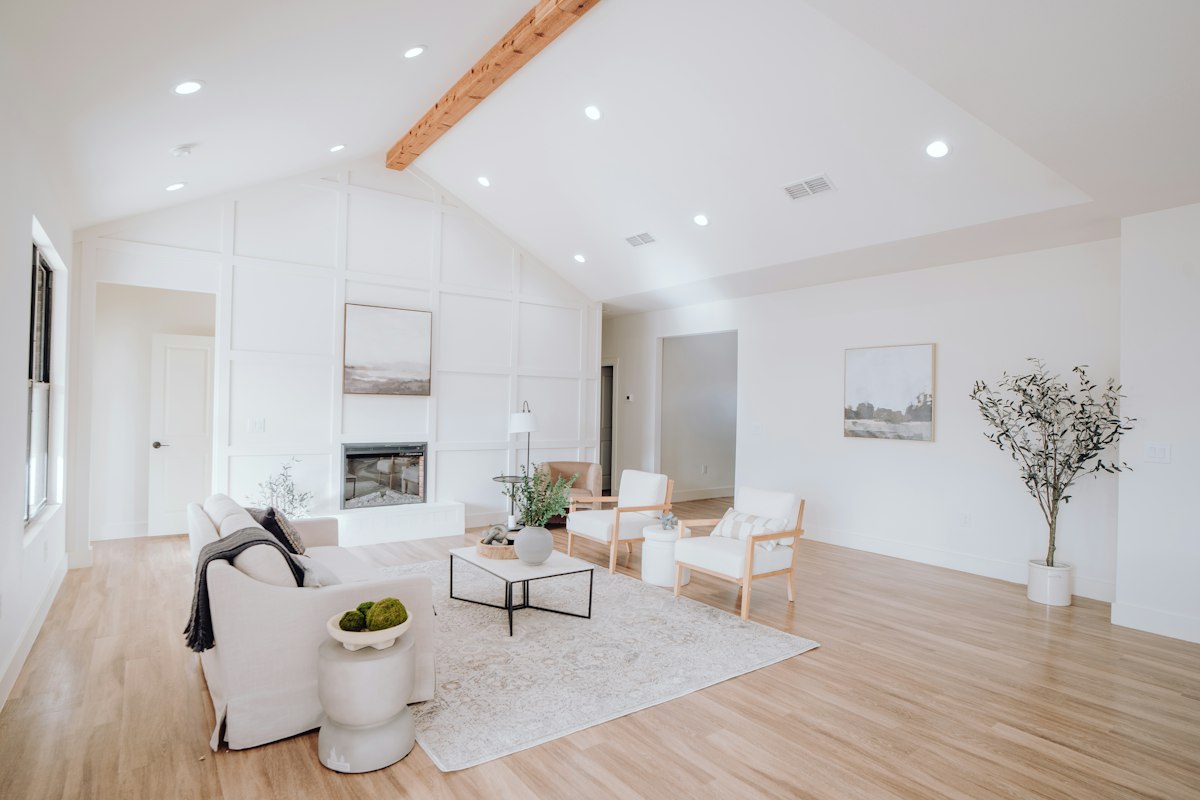
Understanding Engineered Wood Flooring Costs: A Comprehensive Breakdown
When you're dreaming of beautiful wood floors for your home, engineered wood often comes up as a compelling option. It offers the authentic look and feel of solid hardwood with some distinct advantages, particularly in environments where solid wood might struggle. But before you fall in love with a specific plank, the practical question invariably arises: what’s the real cost of engineered wood flooring?
It's not as simple as a single price tag per square foot. The total expenditure for engineered wood flooring involves a spectrum of factors, from the materials themselves to the intricacies of installation and even long-term maintenance. Understanding these variables is key to setting a realistic budget and making an informed decision that aligns with both your aesthetic desires and financial plans.
Related posts
Selecting the Optimal Vinyl Flooring for Healthcare Environments
When it comes to outfitting a hospital, every material choice carries significant weight, and flooring is certainly no...
Read more →
Rubber Mat Flooring Price: Complete Cost Factors, Material Options, and Budgeting Breakdown
Planning a flooring upgrade for a commercial training facility, a home garage gym, or an industrial workshop usually...
Read more →
Elevating Your Infrastructure: Choosing the Right Raised Floor System
In today's complex operational environments, from bustling data centers to precision-driven clean rooms and modern, adaptable offices, the...
Read more →
Navigating Raised Floor Costs: A Comprehensive Budgeting Overview
Budgeting for critical infrastructure projects often feels like navigating a maze, especially when it comes to specialized systems...
Read more →This deep dive will pull back the curtain on every aspect influencing engineered wood flooring costs. We'll explore what drives material prices, what to expect from installation expenses, and how these figures compare to other popular flooring choices. Our goal is to equip you with the knowledge to navigate the market confidently, ensuring you get the best value for your investment.
Key takeaways
- Engineered wood flooring costs vary significantly based on material quality, wood species, and wear layer thickness.
- Installation expenses can often equal or exceed material costs, influenced by labor rates and subfloor conditions.
- Comparing engineered wood to solid hardwood and other alternatives reveals distinct long-term value propositions.
- Budgeting for hidden costs like underlayment, trim, and old flooring removal is essential for an accurate project total.
What is Engineered Wood Flooring and Why Does Cost Matter?
Engineered wood flooring is a marvel of modern manufacturing, designed to combine the natural beauty of real wood with enhanced stability and versatility. Unlike solid hardwood, which is one continuous piece of timber, engineered wood is constructed with multiple layers. A top layer, known as the wear layer, is genuine wood veneer, while the core layers beneath are typically plywood or high-density fiberboard (HDF). This multi-ply construction makes it less susceptible to expansion and contraction from changes in humidity and temperature, making it suitable for areas where solid wood might warp.
Understanding this construction is fundamental to grasping its cost. The thickness and quality of that top wear layer, the type of wood used, and the composition of the core all play a significant role in determining the price point. Furthermore, its stability can impact installation methods and thus, installation costs, sometimes offering more flexible options than solid wood.
Breaking Down Material Costs: What Drives the Price Per Square Foot?
The material cost for engineered wood flooring typically ranges from $4 to $15 per square foot, but this can stretch higher for premium options. What accounts for this wide range? Several factors are at play, each contributing to the final price.
Wear Layer Thickness and Wood Species
The wear layer is arguably the most critical factor. This is the actual wood veneer you see and walk on. Thicker wear layers (e.g., 4mm or 6mm) allow for multiple refinishes over the flooring's lifespan, akin to solid hardwood, and naturally command a higher price. Thinner wear layers (e.g., 0.6mm to 2mm) are more budget-friendly but offer limited or no refinishing potential. The type of wood species also matters; common domestic woods like oak and maple are generally less expensive than exotic species like Brazilian cherry or teak, which come with a premium due to scarcity and import costs.
Board Dimensions and Finish
Wider and longer planks often cost more per square foot than standard sizes. This is due to the larger, more select pieces of wood required for their construction and the manufacturing processes involved. The finish applied to the engineered wood also impacts cost. Factory-applied finishes, such as durable UV-cured urethane with aluminum oxide, offer superior scratch and wear resistance, adding to the material price. Oil finishes, while beautiful and natural-looking, might require more maintenance and can sometimes be found on higher-end products.
Core Material and Brand Reputation
The core of engineered wood is usually plywood or HDF. Plywood cores, especially those with many layers (multi-ply), are generally considered more stable and durable, often leading to a higher price point. HDF cores are a good, stable option, often found in more affordable engineered products. Finally, established brands with a reputation for quality, innovative finishes, and extensive warranties typically price their products higher than lesser-known manufacturers.
Installation Expenses: The Other Half of Your Budget
While material costs are significant, many homeowners underestimate the installation expenses, which can range from $3 to $10 per square foot, sometimes more. This cost is highly variable and depends on several critical elements.
Labor Rates and Geographic Location
Professional labor rates fluctuate significantly by region and local market demand. Installers in major metropolitan areas will generally charge more than those in rural settings. Always get multiple quotes from reputable, experienced flooring professionals in your area to understand the local going rate.
Subfloor Preparation
This is a frequently overlooked but crucial cost. Engineered wood requires a clean, dry, flat, and structurally sound subfloor. If your existing subfloor is uneven, damaged, or has moisture issues, extensive preparation will be necessary. This could involve leveling compounds, patching, sanding, or even replacing sections of the subfloor. These tasks can add considerable time and expense to the project, sometimes hundreds or even thousands of dollars depending on the scope.
Installation Method
Engineered wood offers flexibility in installation. A floating installation, where planks lock together and rest on an underlayment without being glued or nailed to the subfloor, is generally the least expensive labor-wise. Glue-down installation, using adhesive, is more labor-intensive and requires specialized glues, increasing both labor and material costs. Nail-down or staple-down installation is also common, particularly for thicker engineered planks, and involves specific tools and expertise, impacting the overall cost.
Room Complexity and Old Flooring Removal
Rooms with many angles, irregular shapes, or numerous doorways will take longer and cost more to install due to increased cutting and fitting. Removing old flooring, whether carpet, tile, or existing hardwood, is another expense. This includes labor for removal, disposal fees, and any necessary subfloor clean-up. Be sure to discuss this with your installer and get it itemized in your quote.
Total Project Cost: Beyond the Basics
Beyond the primary material and installation costs, several other items contribute to the total project budget. Neglecting these can lead to unpleasant surprises.
- Underlayment and Moisture Barrier: Essential for floating installations to provide sound dampening, comfort underfoot, and a moisture barrier. Costs typically range from $0.20 to $1.00 per square foot.
- Adhesives and Fasteners: For glue-down or nail-down installations, the cost of high-quality adhesives or staples/nails must be factored in.
- Transition Strips and Trim: To bridge gaps between different flooring types or rooms, and to finish edges, you'll need transition strips, baseboards, or quarter-round molding. These are typically priced per linear foot.
- Waste Factor: Always purchase 5% to 10% more flooring than your measured square footage to account for cuts, mistakes, and future repairs. This is a crucial, often forgotten, part of your material budget.
- Delivery Fees: Depending on where you purchase your flooring and the quantity, delivery charges can apply.
Engineered Wood vs. Other Flooring Options: A Cost Comparison
How does engineered wood stack up against its competitors when it comes to cost and value?
Engineered Wood vs. Solid Hardwood
Initially, engineered wood can be slightly less expensive than solid hardwood, with solid hardwood typically ranging from $6 to $15 per square foot for materials. However, the installation cost for both can be similar, or solid hardwood might be slightly higher due to its rigidity. The key difference lies in suitability and refinishing. Engineered wood is more stable in humid environments (basements, over concrete slabs), where solid wood might not be an option. Solid hardwood, with its thicker wear layer, generally offers more refinishing opportunities over a longer lifespan, potentially increasing its long-term value, though premium engineered woods can rival this.
Engineered Wood vs. Laminate and Vinyl Plank
Laminate and luxury vinyl plank (LVP/LVT) are generally more budget-friendly, with material costs ranging from $1 to $7 per square foot. Installation is often simpler and less expensive, especially for DIY enthusiasts. While these options mimic wood, they don't offer the authentic feel or the potential for refinishing. Engineered wood sits in a sweet spot, providing real wood aesthetics and some refinishing capability at a mid-range price point, offering a significant upgrade in perceived value and warmth compared to synthetics.
Smart Strategies to Potentially Reduce Your Engineered Wood Flooring Cost
While you want quality, there are ways to manage your budget without completely sacrificing your vision.
- Choose a Thinner Wear Layer: If refinishing isn't a top priority and you expect to change your floors within 15-20 years, a thinner wear layer can significantly reduce material costs.
- Opt for Common Wood Species: Oak, maple, and birch are beautiful, durable, and generally more affordable than exotic woods.
- Consider a Floating Installation: If your subfloor allows, a floating installation can save on labor and adhesive costs.
- DIY (Carefully): For confident DIYers, installing engineered wood can save substantially on labor. However, mistakes can be costly, so assess your skills honestly.
- Shop Sales and Overstock: Keep an eye out for seasonal sales, clearance events, or overstock deals from flooring suppliers.
- Get Multiple Quotes: Always solicit bids from at least three different reputable installers. This helps you understand fair market pricing and negotiate.
- Minimize Waste: Accurate measurements and a well-planned layout can reduce the amount of waste material you need to purchase.
Long-Term Value and Return on Investment
Investing in engineered wood flooring goes beyond the upfront cost; it's about the long-term value it brings to your home. Quality engineered wood is durable, can last for decades (20-40 years depending on wear layer and maintenance), and enhances a home's aesthetic appeal. Its stability makes it a reliable choice in various conditions, reducing the risk of costly repairs down the line.
From a resale perspective, real wood floors, including high-quality engineered options, are a significant selling point. They are often perceived as a premium feature that can increase property value and appeal to potential buyers, offering a strong return on your initial investment.
FAQ
Is engineered wood flooring cheaper than solid hardwood?
Generally, the material cost for engineered wood flooring can be slightly less than solid hardwood, especially for options with thinner wear layers or common wood species. However, installation costs can be comparable, and for premium engineered products with thick wear layers, the price difference might be minimal or even favor engineered wood if solid hardwood requires more complex subfloor work in certain environments. The long-term cost can also be influenced by refinishing potential, which is typically greater with solid hardwood.
Can engineered wood flooring be refinished? How does that affect cost?
Yes, many engineered wood floors can be refinished, but it depends entirely on the thickness of the genuine wood wear layer. Floors with a wear layer of 3mm or more can usually be sanded and refinished once or twice, extending their lifespan. Floors with thinner wear layers (less than 2mm) typically cannot be refinished and would require replacement if heavily damaged. The cost of refinishing is significantly less than replacement, making a refinishable engineered floor a better long-term value, though the initial material cost will be higher.
What factors make engineered wood flooring more expensive?
The primary factors driving up the cost of engineered wood flooring include a thicker genuine wood wear layer (allowing for refinishing), exotic or rare wood species, wider and longer plank dimensions, high-quality multi-ply plywood cores, and premium, durable factory finishes. Established brand names and specialized manufacturing processes also contribute to a higher price point.
What's the typical lifespan of engineered wood flooring?
The lifespan of engineered wood flooring varies considerably based on its quality, wear layer thickness, how well it's maintained, and the amount of traffic it receives. High-quality engineered floors with thick wear layers can last 20 to 40 years, especially if they are refinishable. More budget-friendly options with thinner wear layers might have a lifespan closer to 15-25 years before needing replacement.
Are there hidden costs when installing engineered wood?
Yes, several costs are often overlooked. These include subfloor preparation (leveling, repairs, moisture mitigation), removal and disposal of old flooring, the cost of underlayment or moisture barriers, adhesives or fasteners, and transition pieces or trim (baseboards, quarter-round). Always factor in a waste percentage (5-10%) for cuts and mistakes. Getting a detailed, itemized quote helps avoid these surprises.
Conclusion
Understanding the full scope of engineered wood flooring costs is about more than just the price per square foot of the planks themselves. It involves a careful consideration of material quality, installation complexity, and all the ancillary items that contribute to a successful project. By dissecting each component of the expense, from wear layer thickness to subfloor preparation, you can approach your flooring decision with clarity and confidence, ensuring your investment enhances your home beautifully and sustainably.