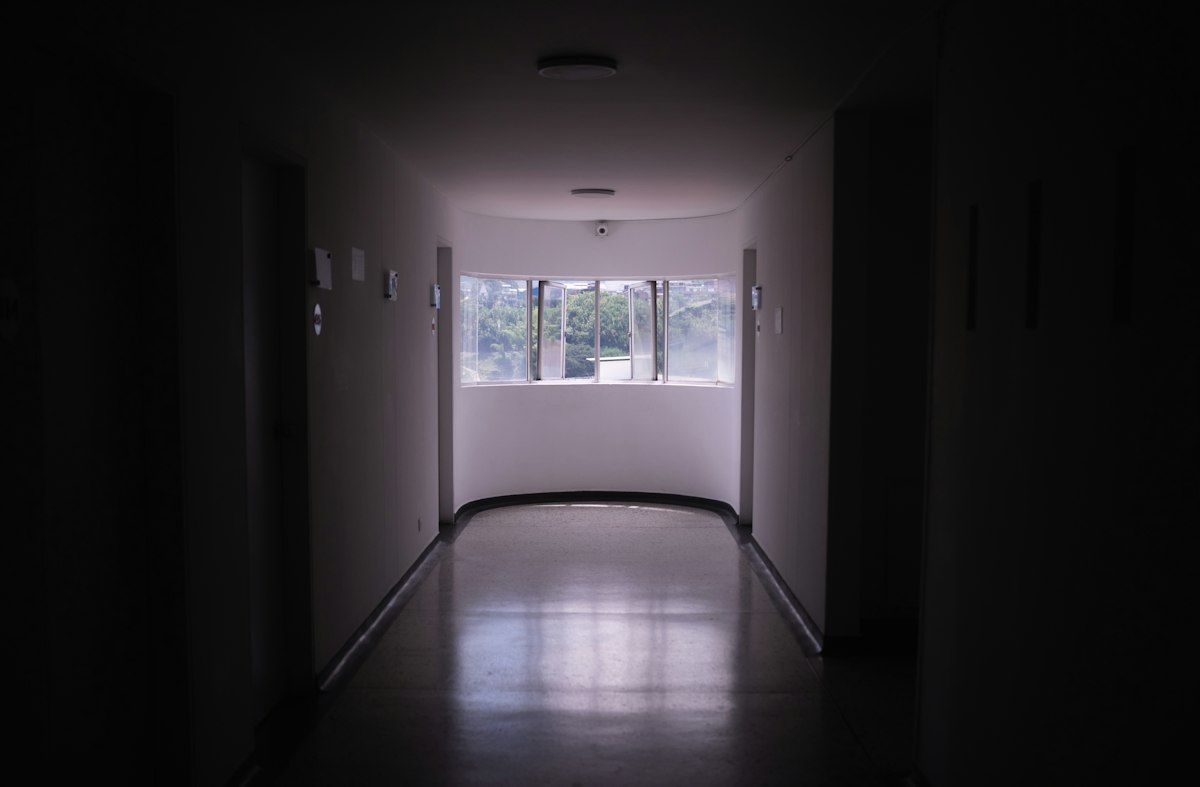
Selecting the Optimal Vinyl Flooring for Healthcare Environments
When it comes to outfitting a hospital, every material choice carries significant weight, and flooring is certainly no exception. It’s not just about aesthetics; it’s about creating a safe, hygienic, and efficient environment that supports patient care and operational demands. The wrong flooring can quickly become a liability, impacting everything from infection control to staff fatigue.
Hospitals are unique spaces, enduring constant foot traffic, heavy equipment, spills, and stringent cleaning protocols. This intense daily grind means that standard commercial flooring often won’t cut it. You need a solution engineered to withstand these pressures while contributing positively to the healing atmosphere.
Related posts
Rubber Mat Flooring Price: Complete Cost Factors, Material Options, and Budgeting Breakdown
Planning a flooring upgrade for a commercial training facility, a home garage gym, or an industrial workshop usually...
Read more →
Understanding Engineered Wood Flooring Costs: A Comprehensive Breakdown
When you're dreaming of beautiful wood floors for your home, engineered wood often comes up as a compelling...
Read more →
Elevating Your Infrastructure: Choosing the Right Raised Floor System
In today's complex operational environments, from bustling data centers to precision-driven clean rooms and modern, adaptable offices, the...
Read more →
Navigating Raised Floor Costs: A Comprehensive Budgeting Overview
Budgeting for critical infrastructure projects often feels like navigating a maze, especially when it comes to specialized systems...
Read more →Vinyl flooring has long been a frontrunner in healthcare settings, praised for its versatility and performance characteristics. However, the term 'vinyl' itself covers a broad spectrum of products, each with distinct features, benefits, and ideal applications. Understanding these nuances is crucial for making an informed decision that serves your facility’s specific needs for years to come.
This discussion will explore the various types of vinyl flooring best suited for hospitals, examining their strengths, weaknesses, and the critical factors you must consider before committing. We'll help you navigate the options, ensuring your investment enhances both functionality and patient experience.
Key Takeaways
- Hygiene and Durability are Paramount: Prioritize seamless, easy-to-clean vinyl options that can withstand heavy traffic and harsh disinfectants.
- Match Flooring to Area Needs: Different hospital zones (ORs, patient rooms, waiting areas) require specific vinyl types, considering factors like ESD protection, slip resistance, and acoustics.
- Consider Lifecycle Costs: Initial purchase price is just one part of the equation; factor in installation complexity, maintenance requirements, and expected lifespan.
- Safety and Comfort are Non-Negotiable: Look for excellent slip resistance, underfoot comfort, and sound-absorbing properties to support patient recovery and staff well-being.
Understanding the Demands of Hospital Flooring
Hospitals are dynamic, high-stakes environments where flooring plays a more critical role than in almost any other building type. The demands placed on these surfaces are rigorous and multifaceted.
First and foremost, infection control is a constant battle. Flooring must be non-porous, resistant to bacterial growth, and able to withstand aggressive cleaning chemicals without degrading. Seamless installations are often preferred to eliminate crevices where pathogens can harbor.
Then there's the sheer volume of traffic and heavy loads. Rolling beds, gurneys, equipment carts, and thousands of footsteps daily mean the flooring needs exceptional durability and indentation resistance. It must maintain its integrity and appearance under relentless pressure.
Patient and staff safety is another core concern. Slip resistance is absolutely essential, especially in areas prone to spills. Beyond preventing falls, flooring can contribute to acoustic comfort, reducing noise levels that can stress patients and hinder communication for staff. Furthermore, underfoot comfort for staff who spend long hours on their feet can significantly impact morale and productivity.
Critical Performance Factors for Healthcare Flooring
- Hygiene and Cleanability: Must support rigorous cleaning protocols and resist microbial growth.
- Durability and Wear Resistance: Ability to withstand heavy rolling loads, high foot traffic, and abrasions.
- Slip Resistance: Essential for preventing falls in wet or dry conditions.
- Chemical Resistance: Impervious to common hospital disinfectants, spills, and bodily fluids.
- Acoustic Performance: Helps reduce ambient noise, promoting a quieter healing environment.
- Underfoot Comfort: Reduces fatigue for staff and improves patient experience.
- Static Control (ESD): Crucial in areas with sensitive electronic equipment.
- Repairability and Maintenance: Ease of repair and ongoing maintenance costs.
- Aesthetics and Wayfinding: Contributes to a positive environment and can aid patient navigation.
Types of Vinyl Flooring Best Suited for Hospitals
Given the specific requirements, certain types of vinyl flooring stand out. Each offers a distinct set of advantages and is often best suited for particular areas within a hospital.
Sheet Vinyl: The Seamless Solution
Sheet vinyl comes in large rolls, allowing for installations with minimal seams. This characteristic makes it a top contender for areas where hygiene is paramount.
Homogeneous Sheet Vinyl
This type is constructed from a single layer of material, meaning its color and pattern run consistently throughout its entire thickness. This makes it incredibly durable; scratches and gouges are less noticeable because the underlying material is the same as the surface.
- Pros: Exceptional durability, superior hygiene due to minimal seams (can be heat-welded for a truly seamless, impervious surface), excellent chemical resistance, long lifespan.
- Cons: Can be more challenging and costly to install due to the need for skilled installers and proper subfloor preparation. Design options, while improving, can be less varied than LVT.
- Ideal Use: Operating rooms, sterile corridors, laboratories, patient rooms, ICUs, emergency departments – anywhere rigorous infection control and heavy traffic are primary concerns.
Heterogeneous Sheet Vinyl
Unlike homogeneous vinyl, heterogeneous sheet vinyl is made of multiple layers. It typically features a wear layer, a printed design layer, and a backing layer. This construction allows for a wider range of designs and textures.
- Pros: Greater design flexibility, often more comfortable underfoot than homogeneous vinyl, good durability for many healthcare applications, still offers good seam control.
- Cons: Wear layer dictates overall durability; once worn through, the design can be compromised. Not quite as robust for extreme heavy-duty areas as homogeneous.
- Ideal Use: Patient rooms, waiting areas, administrative offices, physical therapy rooms, some corridors. It balances durability with aesthetic appeal and comfort.
Luxury Vinyl Tile (LVT) and Luxury Vinyl Plank (LVP): Design Versatility
LVT and LVP offer the look of natural materials like wood or stone with the practical benefits of vinyl. They come in individual tiles or planks, allowing for creative patterns and easier replacement of damaged sections.
- Pros: Extensive design options, excellent aesthetics, good underfoot comfort, individual tile/plank replacement simplifies repairs, often easier and quicker to install than sheet vinyl.
- Cons: More seams than sheet vinyl, which can be a concern for infection control in highly sterile areas. Requires careful installation to minimize moisture ingress between tiles.
- Ideal Use: Lobbies, waiting rooms, administrative areas, private patient rooms (where design and comfort are prioritized over absolute seamlessness), cafeterias, gift shops.
Vinyl Composition Tile (VCT): The Economical Workhorse
VCT is made from a blend of PVC, limestone, plasticizers, and pigments. It's a long-standing option known for its cost-effectiveness and durability, provided it receives proper maintenance.
- Pros: Very low initial cost, extremely durable against indentation and abrasion, good for heavy rolling loads.
- Cons: Requires significant ongoing maintenance (stripping, waxing, buffing) to maintain appearance and performance, making its lifecycle cost potentially higher. More porous than other vinyl types, making it less ideal for high-hygiene areas without extensive maintenance.
- Ideal Use: Back-of-house areas, utility rooms, storage areas, non-clinical corridors with strict budget constraints and dedicated maintenance staff. Not recommended for patient care areas requiring stringent infection control.
Specialty Vinyl Flooring: ESD and Acoustic Options
Beyond the standard types, specialized vinyl products cater to unique hospital needs.
- ESD (Electrostatic Discharge) Vinyl: Designed to dissipate static electricity, protecting sensitive electronic equipment and preventing static shock to patients and staff. Essential in operating rooms, imaging suites, and data centers.
- Acoustic Vinyl: Features an integrated foam or rubber backing to significantly reduce impact sound and ambient noise. Highly beneficial in patient rooms, corridors, and nurseries to promote a quieter, healing environment.
Making the Right Choice: Critical Factors to Weigh
Choosing the best vinyl flooring isn't a one-size-fits-all decision. It requires a careful evaluation of several key factors specific to your facility and budget.
Budget: Initial Cost vs. Lifecycle Cost
While VCT might have a lower upfront cost, its extensive maintenance requirements can lead to higher lifecycle costs over time. Sheet vinyl, especially homogeneous, might have a higher initial material and installation cost but offers superior durability and lower maintenance, often resulting in a better long-term investment. Always look beyond the sticker price.
Area-Specific Needs and Zoning
Different hospital zones have distinct requirements. An operating room demands maximum hygiene and ESD protection, likely calling for homogeneous sheet vinyl. A waiting area, however, might prioritize aesthetics, comfort, and ease of individual tile replacement, making LVT a strong contender. Map out your facility's zones and their specific performance needs before making decisions.
Installation Expertise and Subfloor Preparation
The performance of any vinyl flooring hinges heavily on professional installation and proper subfloor preparation. Sheet vinyl, with its heat-welded seams and cove base potential, requires highly skilled installers. LVT and VCT also demand a perfectly level, clean, and dry subfloor. Skimping on installation can negate the benefits of even the highest quality material.
Manufacturer Reputation and Warranty
Research manufacturers known for their quality and specific experience in healthcare flooring. A robust warranty provides peace of mind and indicates the manufacturer's confidence in their product's longevity and performance. Don't hesitate to ask for references from other healthcare facilities.
Sustainability and Indoor Air Quality
Hospitals are increasingly focused on creating healthy indoor environments. Look for vinyl products that are FloorScore certified, indicating low VOC (Volatile Organic Compound) emissions. Many manufacturers also offer products with recycled content or take-back programs, contributing to your facility's sustainability goals.
Future-Proofing Your Investment
Consider the future needs of your hospital. Will technology change? Will traffic patterns shift? Choosing a durable, adaptable flooring that can handle evolving demands will prevent costly replacements down the line. Think about how easy it will be to repair or replace sections if damage occurs.
FAQ
How often should hospital vinyl flooring be replaced?
The lifespan of hospital vinyl flooring varies significantly based on the type, traffic levels, maintenance regimen, and quality of installation. High-quality homogeneous sheet vinyl, properly maintained, can last 20-30 years or even longer. LVT might last 10-20 years, while VCT, despite its durability, may need more frequent replacement or extensive restoration due to its high maintenance demands and aesthetic wear over 10-15 years.
Is vinyl flooring truly sterile for hospital use?
No flooring material is inherently sterile. However, vinyl flooring, particularly heat-welded sheet vinyl, is highly advantageous in healthcare settings because it creates a non-porous, seamless surface that resists microbial growth and allows for thorough cleaning and disinfection. Its impervious nature prevents the absorption of spills and bodily fluids, making it an excellent choice for maintaining a hygienic environment when combined with strict cleaning protocols.
What's the difference between homogeneous and heterogeneous sheet vinyl?
Homogeneous sheet vinyl is made from a single layer of material where the color and pattern extend throughout its entire thickness. This makes it incredibly durable and resistant to visible wear, as scratches don't reveal a different underlying layer. Heterogeneous sheet vinyl, conversely, is composed of multiple layers, including a clear wear layer, a printed design layer, and a backing. It offers more design versatility but its durability is primarily dependent on the thickness and quality of its top wear layer.
Can vinyl flooring help with acoustics in a hospital?
Yes, certain types of vinyl flooring are designed with acoustic properties to help reduce noise levels. These often feature an integrated foam or rubber backing that absorbs impact sound, minimizing the noise generated by footsteps, rolling carts, and dropped objects. This acoustic performance is highly beneficial in patient rooms, corridors, and nurses' stations, contributing to a quieter, more healing environment and reducing stress for both patients and staff.
What about slip resistance ratings for hospital flooring?
Slip resistance is a critical safety factor in hospitals. Flooring materials are typically tested using various methods, such as the coefficient of friction (COF) or pendulum test values. While specific ratings can vary by region and standard, healthcare facilities generally seek flooring with a high static and dynamic COF, especially in areas prone to spills like surgical suites, kitchens, or patient bathrooms. Always request and review the manufacturer's slip resistance data to ensure it meets safety requirements.
Conclusion
Choosing the best vinyl flooring for a hospital is a nuanced decision, demanding a clear understanding of your facility's unique operational needs, patient care priorities, and budgetary constraints. While no single vinyl product is universally 'best,' options like homogeneous sheet vinyl excel in critical, high-hygiene areas, while LVT offers design flexibility and comfort for less demanding zones. By carefully evaluating factors such as durability, cleanability, safety, and lifecycle costs, you can select a flooring solution that not only performs reliably but also significantly contributes to a safer, more efficient, and more comforting healthcare environment for everyone who walks through its doors.